Why your personal memories are actually shaped by the groups you belong to
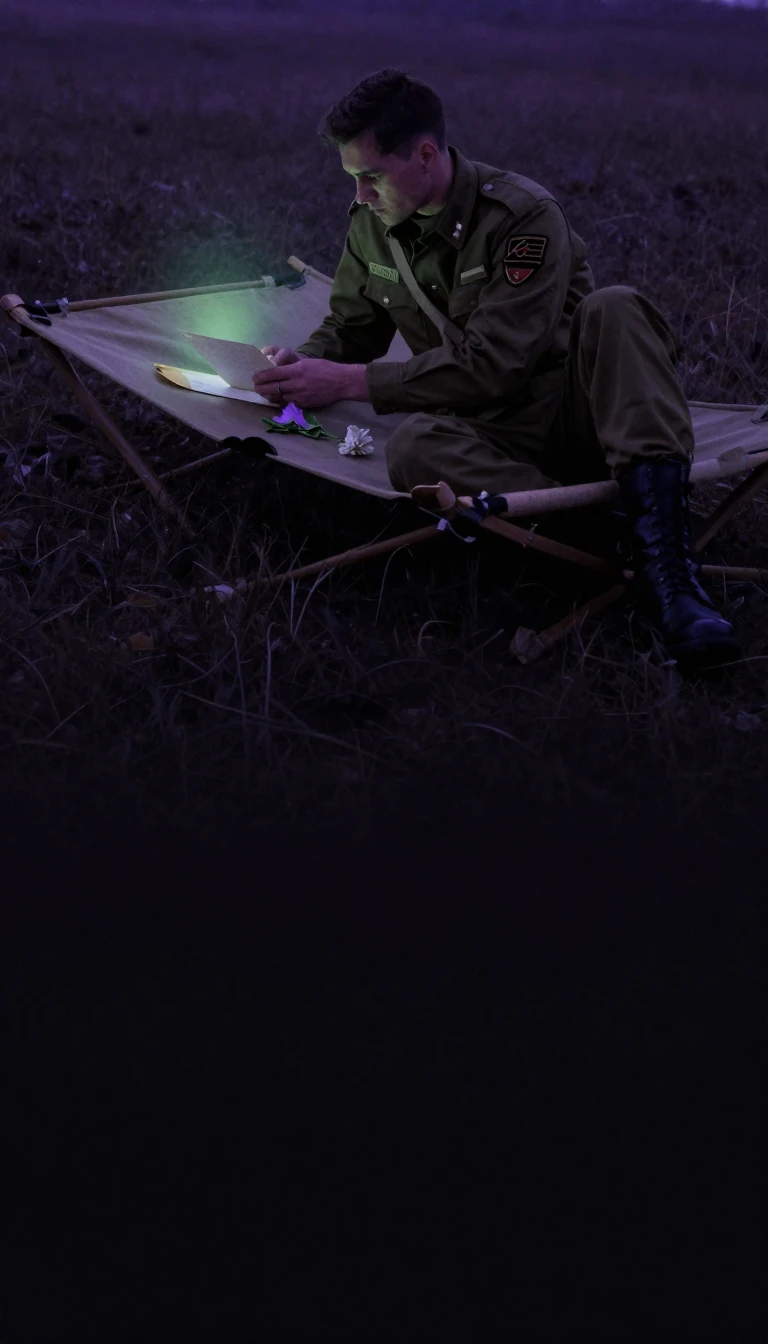
In short: Maurice Halbwachs argued that individual memory is a myth. Instead, he proposed that our recollections are anchored in the social frameworks of our families, religions, and communities. We do not remember the past in isolation; we reconstruct it through the collective consciousness of the groups that define our identity.
Maurice Halbwachs, a French philosopher and sociologist, fundamentally shifted how we understand the past. While his mentor Henri Bergson viewed memory as a deeply personal and subjective experience, Halbwachs countered that memory is inherently social. In his seminal work, La Mémoire collective, published posthumously in 1950, he argued that society provides the necessary framework—or 'cadre'—for all individual recollection. Without these social structures, our memories would lack the context required to exist.
Halbwachs posited that every group possesses its own unique collective memory, which differs from that of other groups. This explains why commemoration, rituals, and physical monuments are so vital; they serve to fix and affirm the shared identity of a community. He further distinguished between memory and history, suggesting they are often in opposition. While memory is fluid and transformed by the perspectives of the present, history attempts to analyze the past from a critical, unbiased distance.
His influence extended beyond memory to the sociology of suicide and class. In his 1930 book, Les Causes du suicide, he expanded upon Émile Durkheim’s theories, examining how urban and rural lifestyles, religious backgrounds, and family structures influence suicide rates. Similarly, his research on working-class budgets revealed that individuals do not merely plan for immediate needs but are constrained by the social expectations of their class. Halbwachs’ life was tragically cut short in 1945 when he died of dysentery in the Buchenwald concentration camp after being detained by the Gestapo.
Ultimately, Halbwachs’ work suggests that social structure shapes how we think and act in the world. By demonstrating that memory cannot exist without society influencing the mind, he provided a lasting synthesis of sociology and psychology. His legacy remains a cornerstone for understanding how our collective consciousness impacts our daily lives, proving that even our most private thoughts are tethered to the groups we inhabit.
Opens the Intellect+ feed with this card first. Swipe up for the next one.
Sources
- Summary by Intellect · source: Maurice Halbwachs
To cite this card, link to https://intellectplus.co.uk/app/ideas-maurice-halbwachs.
How we source, check and correct cards: Editorial standards.
General information, not professional advice. Spotted an error? Flag the card or see corrections and complaints.
Intellect Plus is a visual educational discovery platform for exploring fascinating facts and ideas. Brain Food, Not Brain Rot. What is Intellect Plus?
Related
More in Philosophers · More in Ideas & Philosophy · Latest · A–Z · All topics
