Menton: The Mediterranean Border Town That Once Declared Independence Over Lemon Taxes
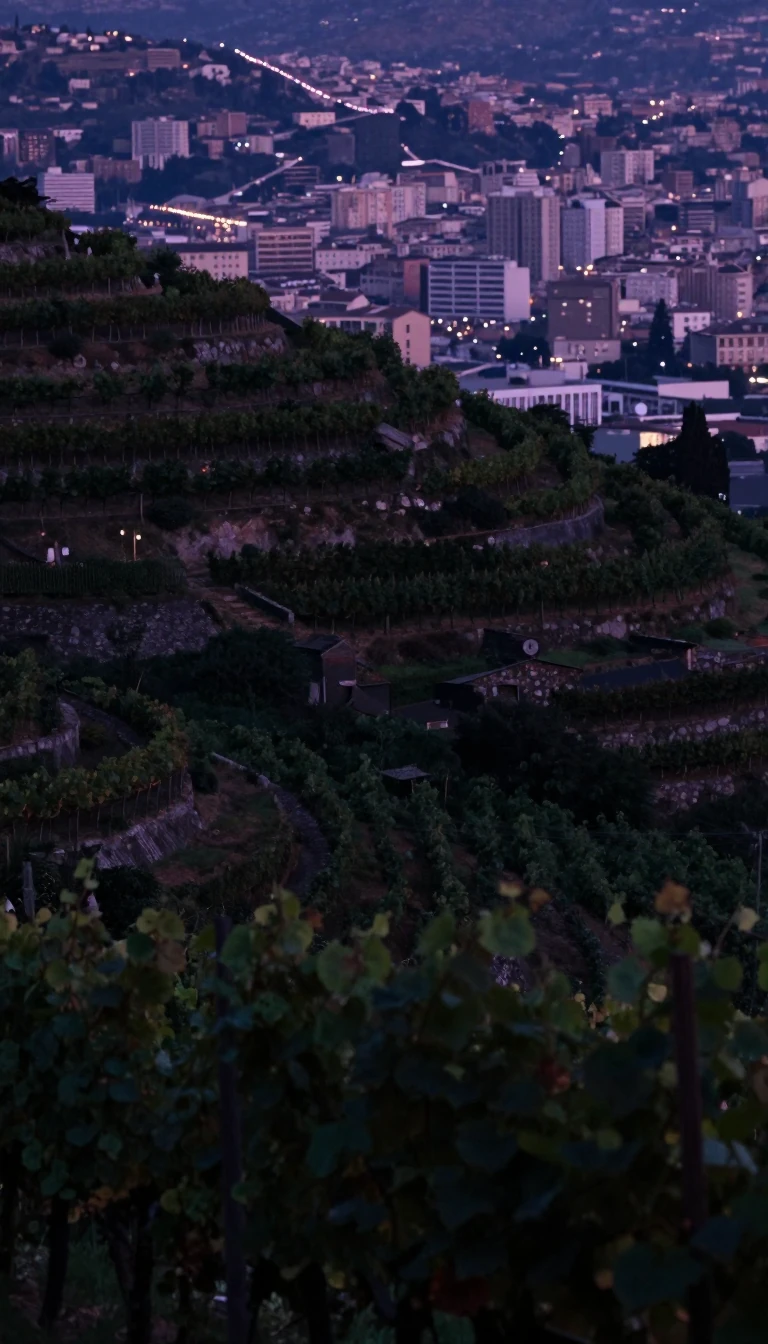
In short: Perched on the French-Italian border, Menton is more than a sun-drenched resort. This former exclave of Monaco once revolted against its prince over citrus duties, briefly existing as a free city before joining France. Today, it remains a unique cultural crossroads where language, climate, and history collide in spectacular fashion.
Menton’s history is defined by its position as a contested frontier. Originally a settlement of the count of Ventimiglia in the 11th century, it was later acquired by the Grimaldi family of Monaco in 1346. For centuries, it served as a strategic prize between the Republic of Genoa and the princes of Monaco. Its status shifted dramatically in 1848, when Menton and neighboring Roquebrune seceded from Monaco, citing grievances that included a tax on lemon exports. The towns briefly declared themselves free cities, hoping to join the Italian kingdom of Sardinia, before the 1860 Treaty of Turin ultimately integrated them into France following a plebiscite.
The town’s identity is inextricably linked to its microclimate. Sheltered by the Alps and Mont-Agel, Menton enjoys a subtropical environment that supports a thriving citrus industry, most notably the protected Citron de Menton. This climate also made the town a magnet for 19th-century European aristocrats and health seekers, particularly after Dr. James Henry Bennett promoted it as a sanctuary for tuberculosis patients. This influx of wealth left a legacy of grand villas, gardens, and palaces, many of which were repurposed as hospitals during World War I.
Today, Menton is a site of complex cultural synthesis. Its local dialect, Mentonasc, remains a subject of scholarly debate, with some linguists classifying it as a bridge between Niçard and Ligurian, while others argue for a fundamental Ligurian origin. This blend of influences extends to the town's modern character, from the annual Fête du Citron—where massive citrus-covered sculptures dominate the streets—to the presence of a Sciences Po campus. Even its environmental history has been rewritten; while the decline of local fishing in the 1980s was once blamed on the invasive algae Caulerpa taxifolia, later research suggested the seaweed actually helped restore biodiversity by absorbing pollutants.
Opens the Intellect+ feed with this card first. Swipe up for the next one.
Sources
- Summary by Intellect · source: Menton
To cite this card, link to https://intellectplus.co.uk/app/ideas-menton.
How we source, check and correct cards: Editorial standards.
General information, not professional advice. Spotted an error? Flag the card or see corrections and complaints.
Intellect Plus is a visual educational discovery platform for exploring fascinating facts and ideas. Brain Food, Not Brain Rot. What is Intellect Plus?
Related
More in Philosophers · More in Ideas & Philosophy · Latest · A–Z · All topics
