A chance discovery in the Egyptian desert revealed a lost library of ancient wisdom.
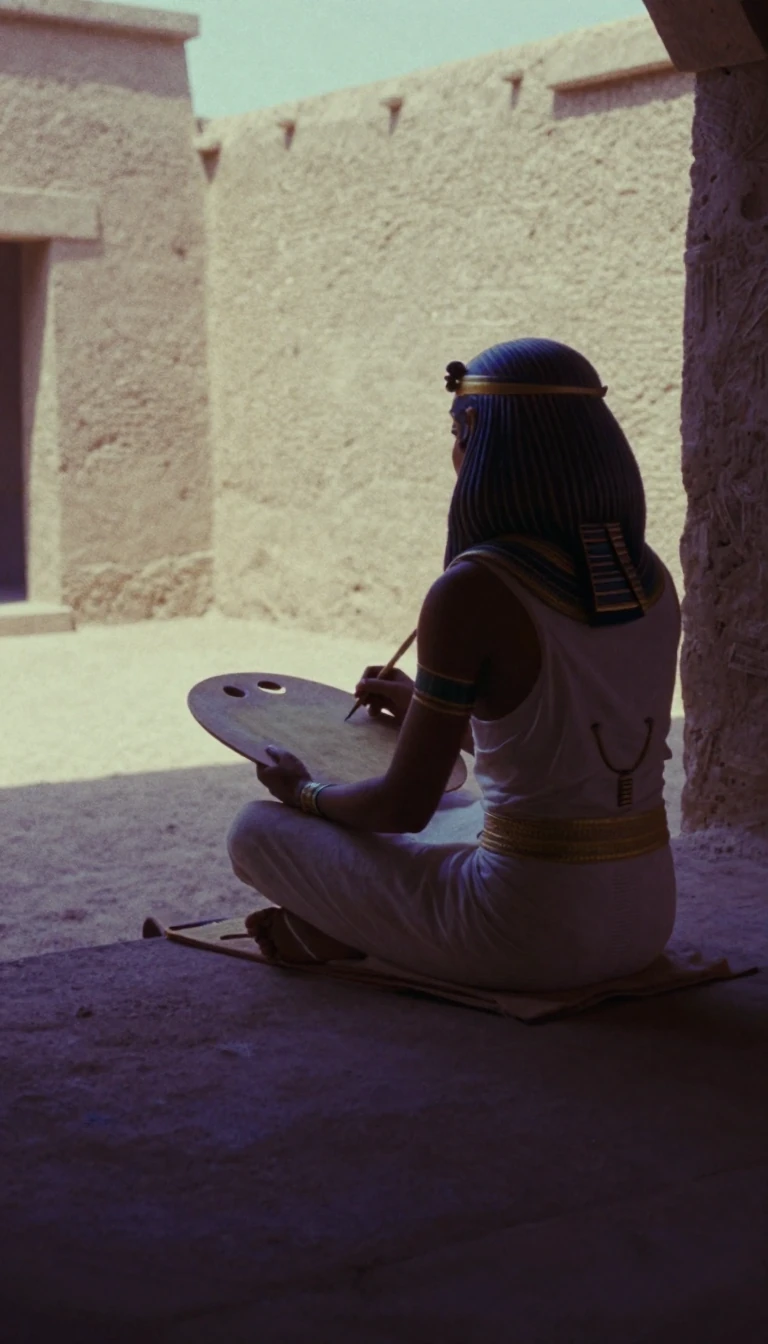
In short: In 1945, an Egyptian farmer unearthed a sealed jar containing over fifty ancient texts. This collection, known as the Nag Hammadi library, challenged long-held assumptions about early Christianity and Gnosticism, offering a rare glimpse into a diverse, complex religious world that existed long before the canon was firmly set.
The Nag Hammadi library consists of twelve leather-bound papyrus codices and a partial thirteenth, containing over 50 treatises written in Coptic. Discovered near Nag Hammadi, Egypt, by Muhammad al-Samman, the find includes secret sayings of Jesus, mythological stories, and works from the Egyptian Hermetic tradition. These texts, primarily dating from the 3rd and 4th centuries, provide essential evidence of early Christian diversity, including the Sethian tradition, which emphasizes the figure of Seth.
The origins of these manuscripts remain a subject of intense scholarly debate. One prominent theory, supported by researchers like James Robinson, suggests the codices belonged to a nearby Pachomian monastery and were buried following Saint Athanasius’s 367 A.D. condemnation of non-canonical books. Conversely, other scholars propose they were funerary prestige items commissioned by a wealthy individual. The discovery story itself is shrouded in mystery; al-Samman provided conflicting accounts involving blood feuds and jinn, leading some to suspect the tale was a cover for grave robbing.
Beyond their origin, the texts have forced a re-evaluation of Gnosticism. While historically labeled as a movement of extreme ascetics or libertines, the Nag Hammadi findings offer little evidence to support such generalizations. Instead, they reveal a dualistic worldview focused on gnosis—a special knowledge that awakens one's divine identity. Today, these manuscripts are housed in the Coptic Museum in Cairo, serving as a cornerstone for understanding the philosophical and religious landscape of the ancient world.
Opens the Intellect+ feed with this card first. Swipe up for the next one.
Sources
- Summary by Intellect · source: The Nag Hammadi Library | Gnostic texts | Britannica
- Also: Nag Hammadi library
To cite this card, link to https://intellectplus.co.uk/app/ideas-nag-hammadi-library.
How we source, check and correct cards: Editorial standards.
General information, not professional advice. Spotted an error? Flag the card or see corrections and complaints.
Intellect Plus is a visual educational discovery platform for exploring fascinating facts and ideas. Brain Food, Not Brain Rot. What is Intellect Plus?
Related
More in Religion and spirituality · More in Ideas & Philosophy · Latest · A–Z · All topics
