How clinical neuropsychologists map the complex relationship between brain pathology and human behavior
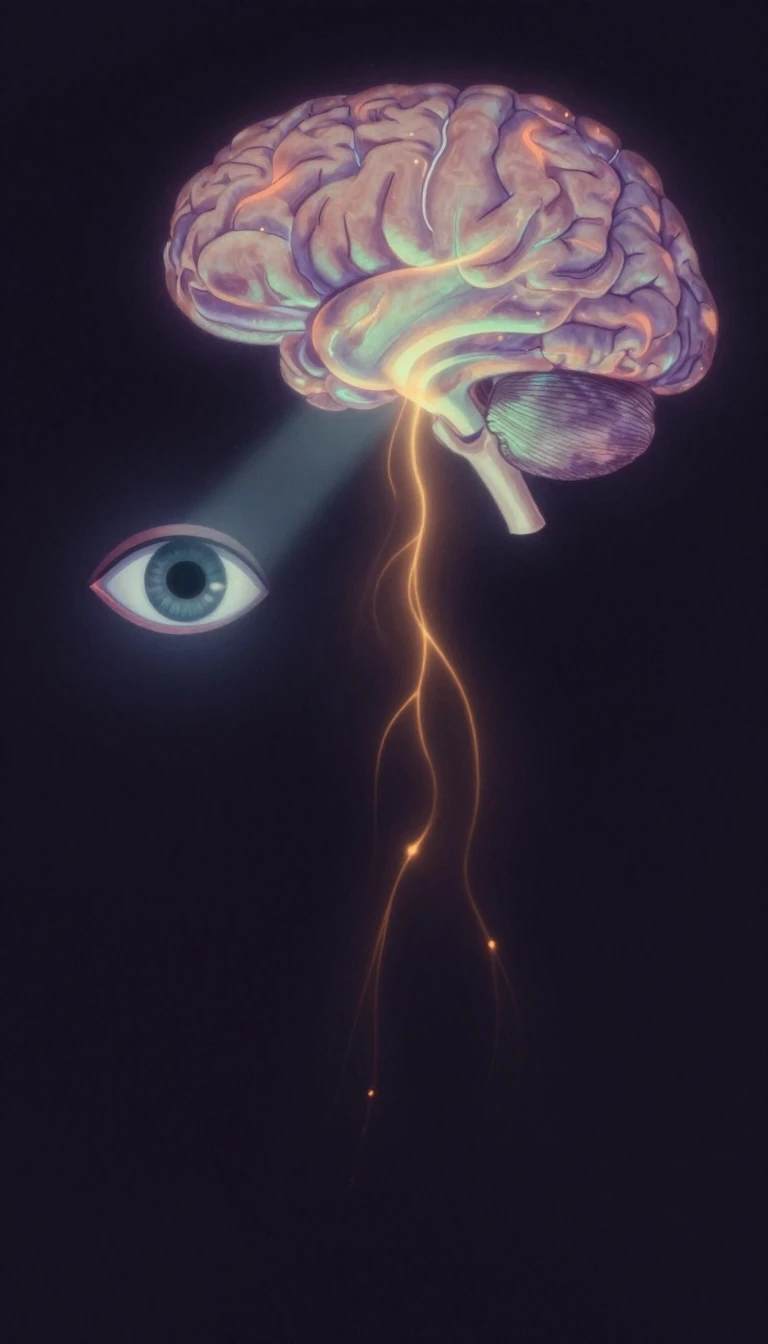
In short: Neuropsychology bridges the gap between biological brain function and the mind. By assessing cognitive abilities like memory, language, and planning, specialists diagnose the effects of neurological conditions. From awake craniotomies to managing behavioral changes after injury, this field translates complex brain pathology into targeted, individualized treatment for patients and families.
At the National Hospital for Neurology and Neurosurgery, the Department of Neuropsychology operates as a critical hub for both clinical care and research. Specialists here conduct detailed assessments of cognitive functions—including attention, perception, and reasoning—to understand how specific brain pathologies manifest in a patient's daily life. This diagnostic process is essential for identifying conditions ranging from aphasia and amnesia to dyscalculia and agnosia, providing a clear picture of how neurological damage impacts mental capacity.
The scope of modern neuropsychology extends deep into the operating theatre. Neuropsychologists provide vital input during complex neurosurgical procedures, such as awake craniotomies, where real-time cognitive monitoring is required. Their expertise is also applied to neurovascular interventions like the clipping or coiling of aneurysms, as well as deep brain stimulation for Parkinson’s disease and dystonia. By working within multidisciplinary teams, these professionals ensure that surgical outcomes are supported by a comprehensive understanding of the patient's cognitive and psychological needs.
Beyond the hospital walls, the field addresses the long-term management of neurological conditions, including stroke, epilepsy, multiple sclerosis, and various dementias. Treatment is highly individualized, often involving group-based programs or support for complex behavioral issues, such as aggression following traumatic brain injury. With approximately 6,000 patients treated annually at this specific department, the work emphasizes that recovery is rarely a solitary endeavor; it requires ongoing collaboration between neuropsychologists, GPs, and allied health professionals like speech and occupational therapists to provide effective, community-based aftercare.
Opens the Intellect+ feed with this card first. Swipe up for the next one.
Sources
- Summary by Intellect · source: ::
- Also: Neuropsychology
To cite this card, link to https://intellectplus.co.uk/app/ideas-neuropsychology.
How we source, check and correct cards: Editorial standards.
General information, not professional advice. Spotted an error? Flag the card or see corrections and complaints.
Intellect Plus is a visual educational discovery platform for exploring fascinating facts and ideas. Brain Food, Not Brain Rot. What is Intellect Plus?
Related
More in Psychology · More in Ideas & Philosophy · Latest · A–Z · All topics
