Is your mind an observer, or is it the architect?
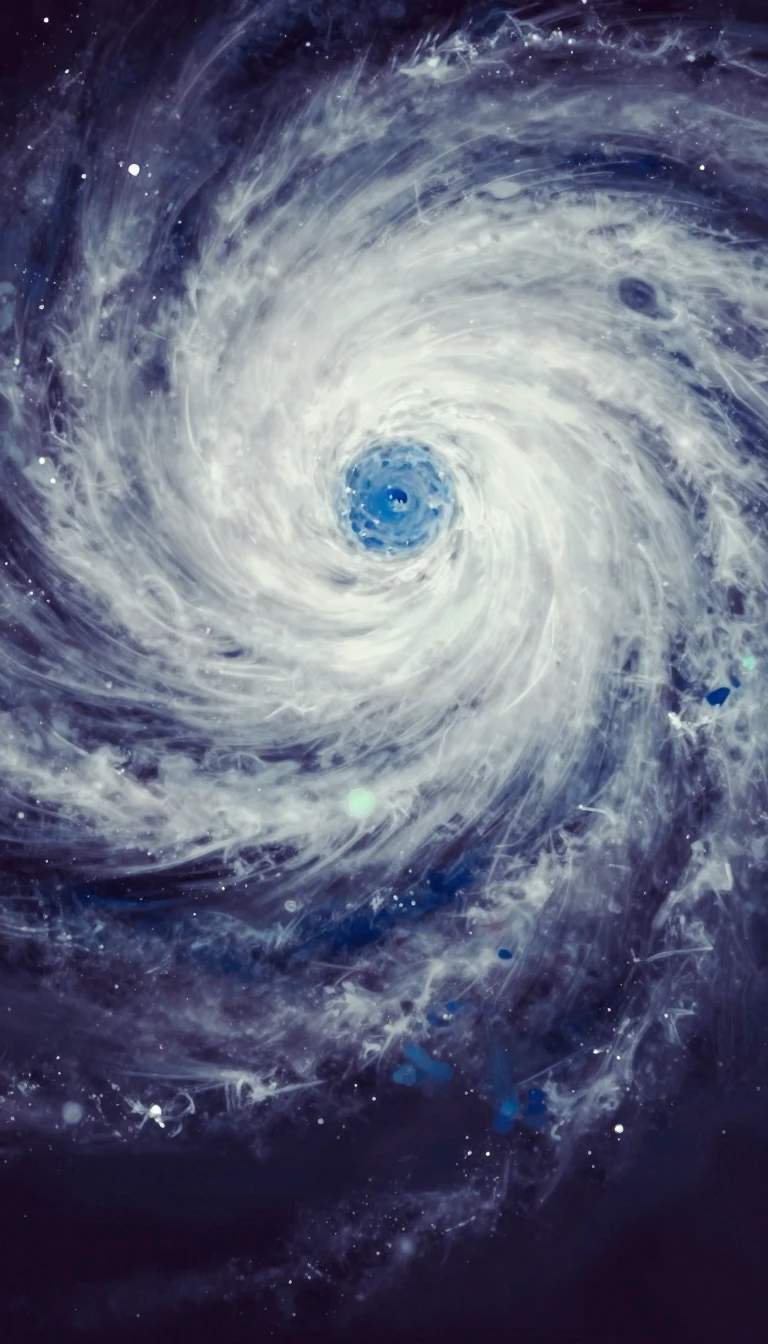
In short: In Ancient Greece, 'nous' was more than just intelligence; it was the faculty of understanding what is truly real. While we often view our thoughts as internal reactions to the world, classical philosophy suggests that nous might be the very mechanism—or even a cosmic force—that imposes order upon existence.
The concept of nous evolved from a simple term for 'good sense' or mental activity into a sophisticated metaphysical pillar. In early Greek literature, Homer used it to describe what mortals and immortals truly had on their minds versus what they spoke aloud. By the pre-Socratic era, philosophers like Parmenides began distinguishing it from mere sensory perception. Parmenides argued that because our senses are unreliable and changeable, true reality can only be accessed through an intellectual perception—a 'mind's eye' that perceives unchanging objects (noēta) rather than physical appearances.
Anaxagoras (c. 500 BC) provided one of the most radical early definitions: a cosmic nous that arranged all things in their proper order and initiated the universe's rotation. Uniquely, Anaxagoras viewed this mind as corporeal—the thinnest of all matters—yet distinct from the 'mixture' of other elements. This sparked a long-standing debate on whether human understanding stems from this cosmic nous. Later, Aristotle refined the term to distinguish it from imagination and memory, framing it as the basic awareness that allows humans to think rationally and set consistent definitions for universal categories.
Plato further complicated the concept by linking individual nous to the 'Forms'—unchanging entities existing beyond our physical reach. He explored whether this understanding was gained through external illumination (the Form of the Good) or internal remembrance (anamnesis). Crucially, Plato often associated nous with the rational part of the soul that should rule over our base instincts. In his cosmology, he suggested that human nous shares in a cosmic nous, mirroring how our bodies are composed of elements found throughout the universe.
Opens the Intellect+ feed with this card first. Swipe up for the next one.
Sources
- Summary by Intellect · source: Nous
To cite this card, link to https://intellectplus.co.uk/app/ideas-nous.
How we source, check and correct cards: Editorial standards.
General information, not professional advice. Spotted an error? Flag the card or see corrections and complaints.
Intellect Plus is a visual educational discovery platform for exploring fascinating facts and ideas. Brain Food, Not Brain Rot. What is Intellect Plus?
Related
More in Greek mythology · More in Ideas & Philosophy · Latest · A–Z · All topics
