From Medieval Troubadours to Spectral Computers, France Has Always Redefined the Sound of Europe
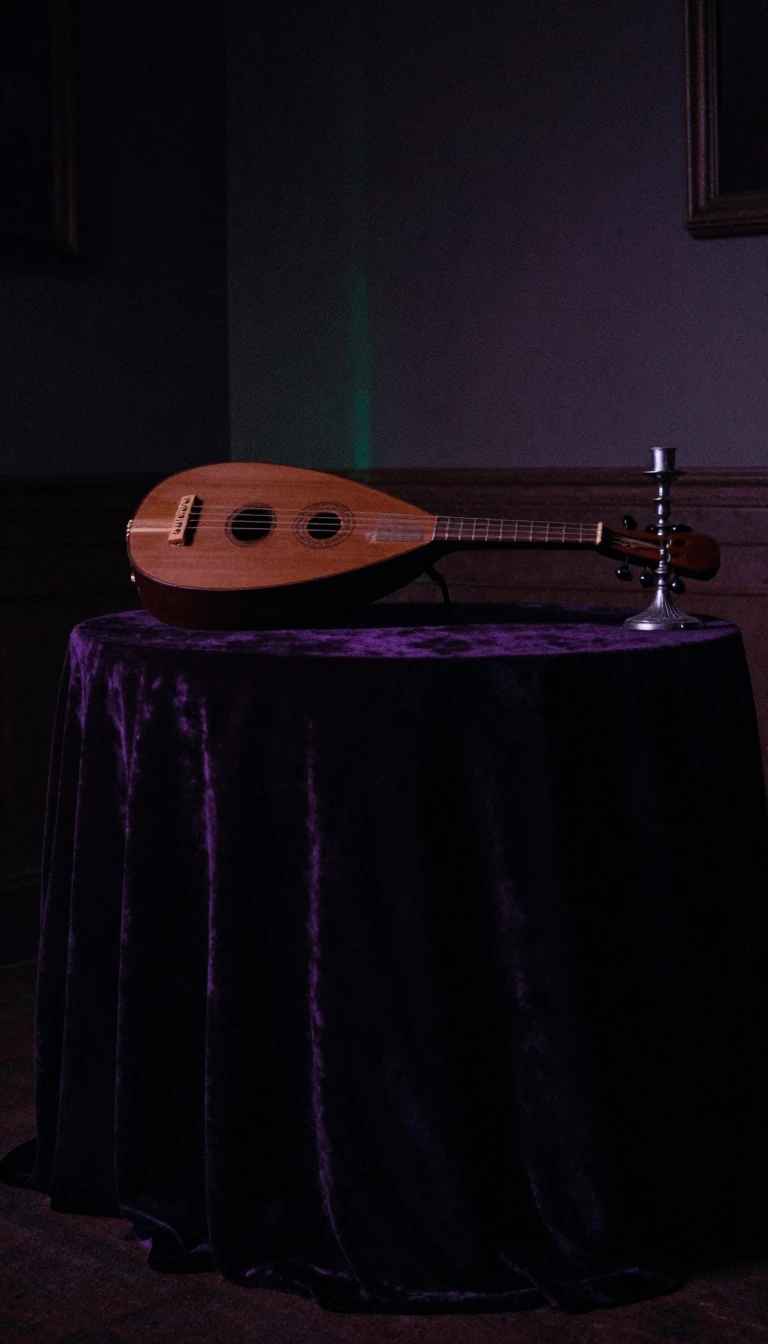
In short: France boasts a musical lineage that stretches from 10th-century organum to the cutting-edge spectral compositions of the 1970s. Beyond its famous classical composers and cabaret icons, the nation maintains a vibrant tapestry of regional folk traditions, ranging from Corsican polyphonic singing to the rhythmic bagpipe music of Central France.
The history of French music is deeply rooted in the medieval era. By the 10th century, the Notre Dame School was pioneering organum, while troubadours composed courtly songs in the Occitan language. This period also saw the rise of the motet and the jongleurs, traveling musicians who performed across the country. By the 14th century, France had established itself as a musical powerhouse with the emergence of the Ars Nova and Ars Subtilior styles, eventually leading to the influential Burgundian School in the 15th century.
Innovation remained a constant theme as France transitioned into the Baroque and Romantic eras. Jean-Baptiste Lully, a dominant figure under Louis XIV, not only helped define the tragédie lyrique but also standardized the beat patterns still used by conductors today. Later, composers like Hector Berlioz, Claude Debussy, and Maurice Ravel fundamentally reshaped the musical landscape, influencing major international figures like Igor Stravinsky. In the 20th century, this spirit of experimentation continued through Serialism and the development of spectral music, a computer-assisted composition technique that gained prominence in the 1970s.
While urban centers like Paris fostered these avant-garde movements, remote regions preserved distinct folk identities. In Brittany, the bagad pipe band and the revival of Celtic traditions have achieved global recognition, particularly through the work of artists like Alan Stivell. Meanwhile, Central France maintains a unique tradition centered on the hurdy-gurdy—a mechanical violin—and various forms of the bagpipe. Even the Basque Country and Corsica contribute their own specific sounds, such as the bertsolari singing tradition and complex, often dissonant, polyphonic male trios, ensuring that France’s musical heritage remains as diverse as it is ancient.
Opens the Intellect+ feed with this card first. Swipe up for the next one.
Sources
- Summary by Intellect · source: Music of France
To cite this card, link to https://intellectplus.co.uk/app/music-music-of-france.
How we source, check and correct cards: Editorial standards.
General information, not professional advice. Spotted an error? Flag the card or see corrections and complaints.
Intellect Plus is a visual educational discovery platform for exploring fascinating facts and ideas. Brain Food, Not Brain Rot. What is Intellect Plus?
Related
More in Music · More in Music · Latest · A–Z · All topics
