Why the location of Homer’s legendary Pylos remained a mystery for centuries
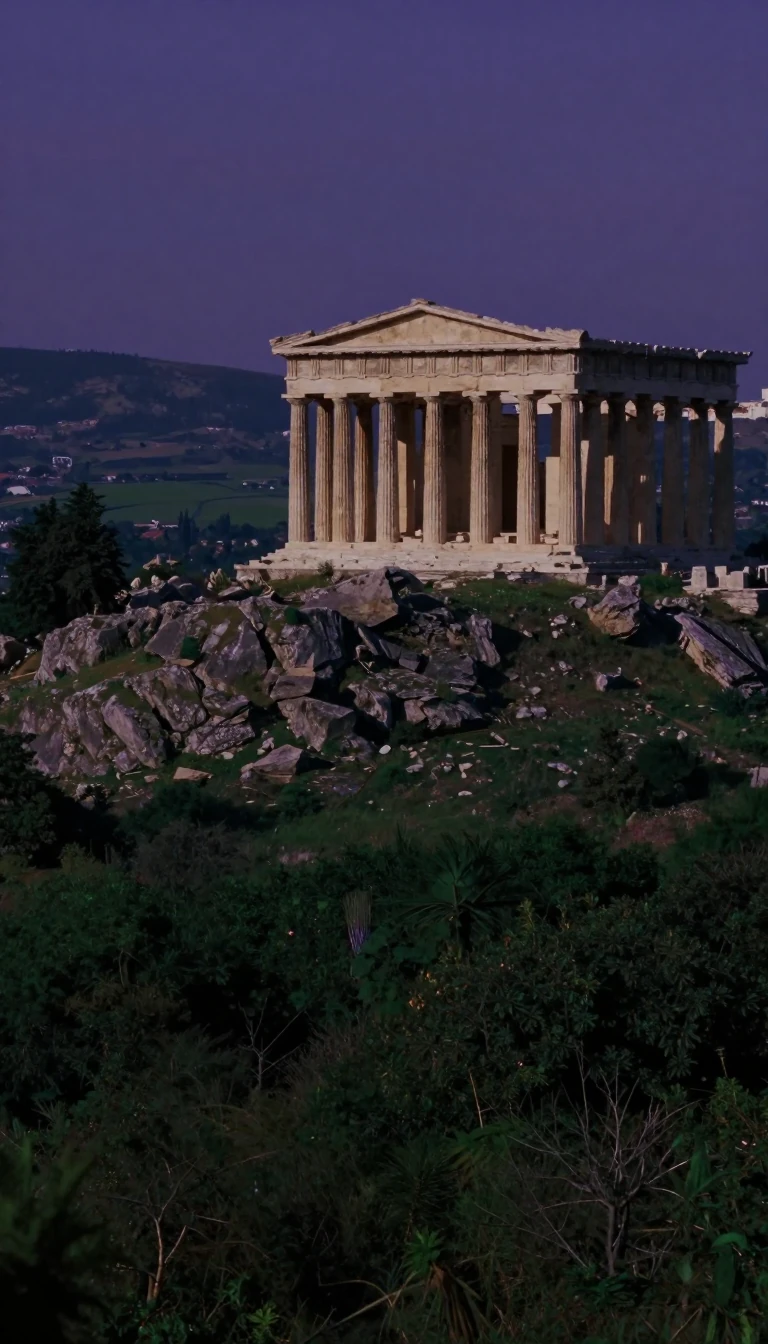
In short: For ages, scholars debated the true site of King Nestor’s kingdom, the sandy Pylos immortalized in Homeric epics. While the name Navarino dominated the bay for centuries, a 1939 discovery finally unearthed a Mycenaean palace that matched the ancient descriptions, settling a controversy that had persisted since the 3rd century bce.
The identity of Pylos has been obscured by layers of history and shifting nomenclature. While modern Pylos sits on the southern headland of the Bay of Navarino, the region has been known by various names, including the French Port-de-Jonc and the later Navarino. This confusion was compounded by the presence of three distinct sites in Greece bearing the name Pylos, leading to centuries of scholarly disagreement over which one truly hosted the royal seat of King Nestor.
The breakthrough arrived in 1939 with the excavation of the Epano Englianos palace, located north of the modern town. Occupied from approximately 1700 bce until its destruction by fire around 1200 bce, the compound’s scale and position aligned with the dignity of the Homeric capital. Most significantly, the fire that leveled the palace baked hundreds of clay tablets inscribed in Linear B script, providing a direct link to the administrative life of the Mycenaean civilization.
Beyond its legendary associations, the bay has served as a strategic maritime hub for millennia. From the Frankish construction of the Paleo Kastro in 1278 to the Ottoman development of the Neo Kastro in 1573, the site’s fortifications reflect the competing powers of the Mediterranean. The bay’s historical weight was cemented in 1827, when a decisive naval battle between European and Turkish fleets helped secure Greek independence, eventually leading to the construction of the modern town in 1829.
Today, the site remains a focal point for understanding the transition from the Neolithic period—where human presence dates back to 5300 bce—to the height of the Bronze Age. By transcending the long-standing locational controversy, the discovery at Epano Englianos has allowed historians to move past the debate over names and focus on the tangible reality of a powerful kingdom that once dominated the southwest coast of the Peloponnese.
Opens the Intellect+ feed with this card first. Swipe up for the next one.
Sources
- Summary by Intellect · source: Pylos | Greece, Map, History, & Facts | Britannica
- Also: Pylos
To cite this card, link to https://intellectplus.co.uk/app/ideas-pylos.
How we source, check and correct cards: Editorial standards.
General information, not professional advice. Spotted an error? Flag the card or see corrections and complaints.
Intellect Plus is a visual educational discovery platform for exploring fascinating facts and ideas. Brain Food, Not Brain Rot. What is Intellect Plus?
Related
More in Writers · More in Ideas & Philosophy · Latest · A–Z · All topics
