Rūpa is the Sanskrit and Pali word for form, but its meaning runs deep.
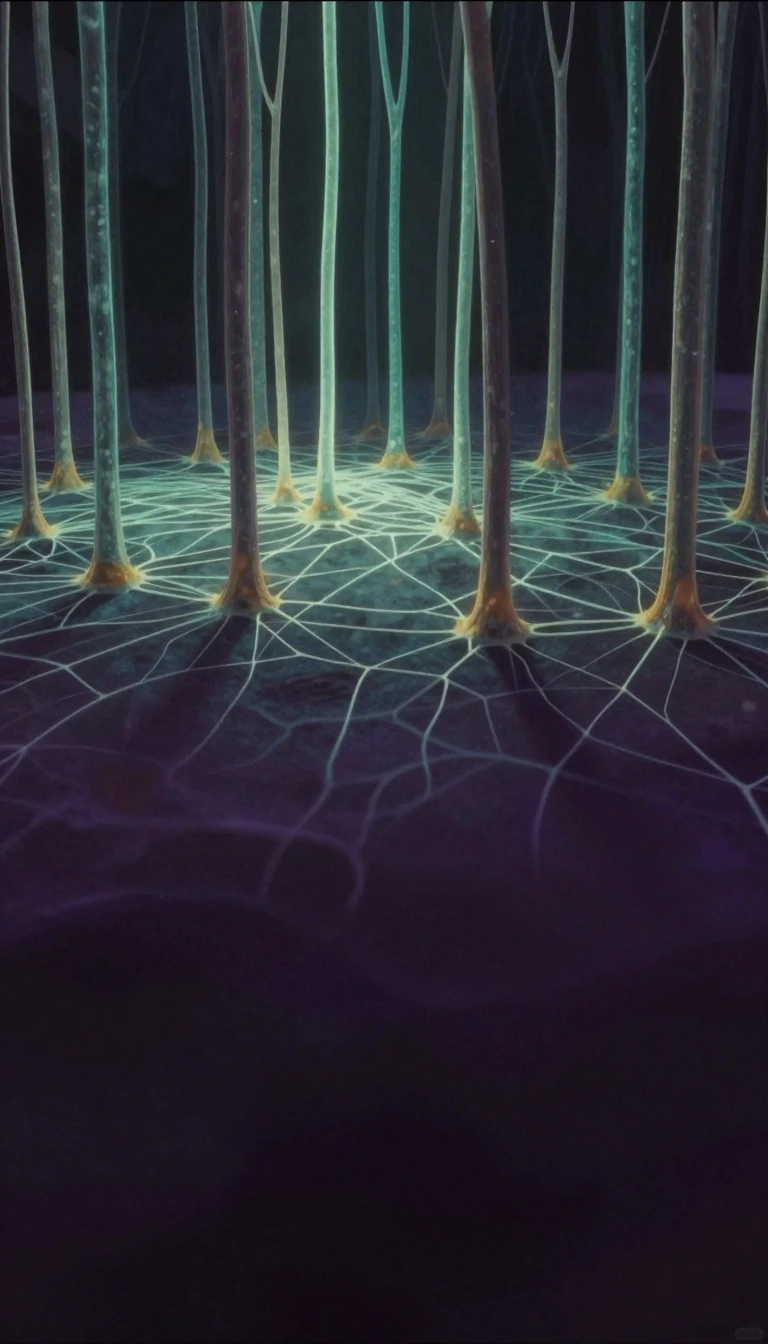
In short: In Indic traditions, rūpa is far more than a simple shape or color. It encompasses the entirety of material existence, from the physical body to the objects we perceive. Understanding this concept is essential to grasping how ancient thinkers categorized the relationship between our minds and the physical world.
At its core, rūpa translates to form, appearance, or phenomenon. In Hinduism, it is used to describe subtle realities, such as the svarupa or the form of the self, and even esoteric conceptions of the Absolute like the Vishvarupa. However, it is within Buddhism that the term receives its most rigorous analytical treatment, serving as the primary concept for material form, including both the human body and external matter.
The Pali Canon situates rūpa within three vital frameworks. It is one of the five aggregates (khandha) that categorize all phenomena, one of the six external sense bases (āyatana) known as visible objects, and a key component of the nāma-rūpa, or mind-and-body, link in the causal chain of dependent origination. Rather than viewing matter as a static, metaphysical substance, the Yogacara school defines rūpa by its function—specifically, its amenability to being sensed. If an object can be tactically sensed, it is defined by that interaction rather than by its material essence.
Buddhists further analyze matter through primary elements and secondary, derived types. The Abhidhamma Pitaka, specifically the Dhammasaṅgaṇī, lists 23 derived types of matter, omitting the heart-basis found in other 24-type enumerations. Beyond these classifications, the term appears in the context of the four stages of rūpa jhāna, a meditative state where the practitioner moves through levels of concentration, equanimity, and mindfulness. Here, the rūpa realm is distinct from the kāma-realm of desire and the arūpa-realm of non-material existence, marking a transition toward perfected watchfulness.
Opens the Intellect+ feed with this card first. Swipe up for the next one.
Sources
- Summary by Intellect · source: Rūpa
To cite this card, link to https://intellectplus.co.uk/app/ideas-r-pa.
How we source, check and correct cards: Editorial standards.
General information, not professional advice. Spotted an error? Flag the card or see corrections and complaints.
Intellect Plus is a visual educational discovery platform for exploring fascinating facts and ideas. Brain Food, Not Brain Rot. What is Intellect Plus?
Related
More in Eastern religions · More in Ideas & Philosophy · Latest · A–Z · All topics
