How your mind labels the world to make sense of the chaos
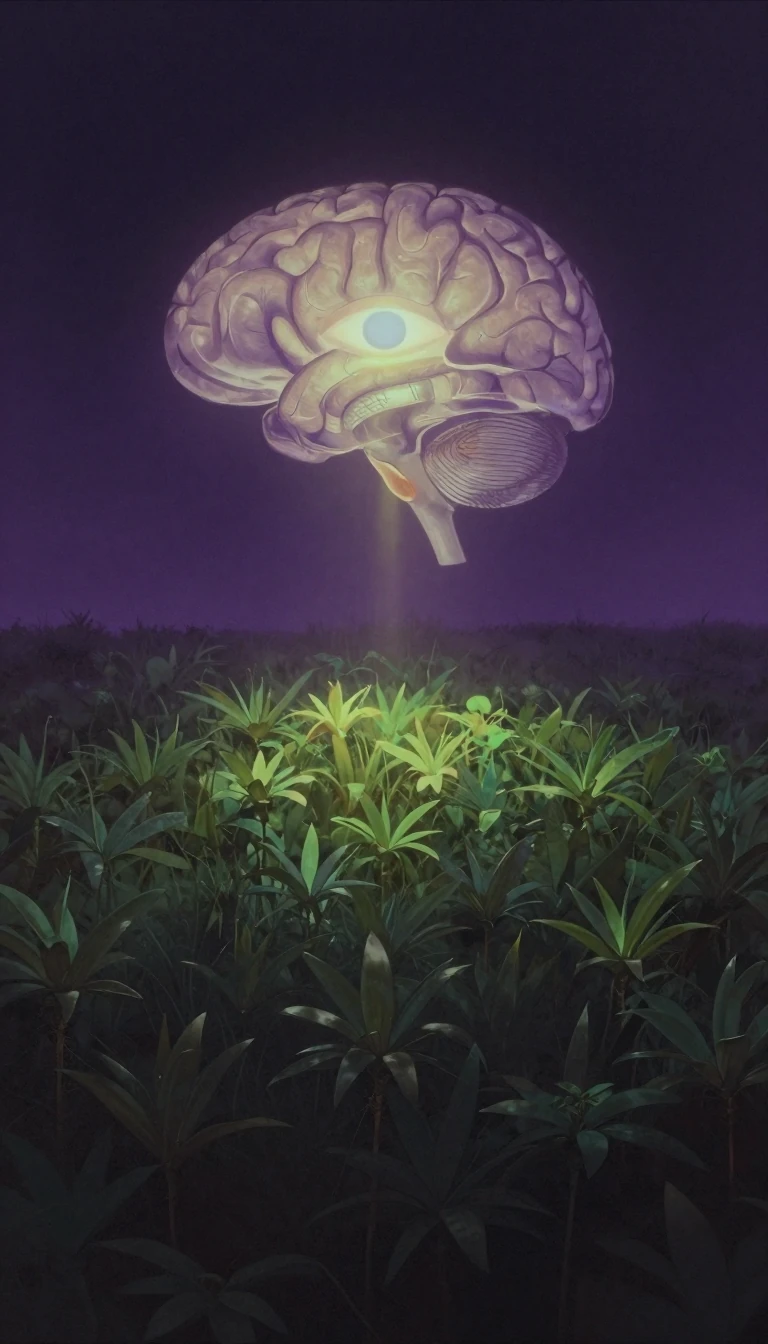
In short: We are constantly bombarded by raw sensory data, yet we navigate the world with ease. This is thanks to saṃjñā, a Buddhist concept of perception that acts as a mental carpenter, marking and distinguishing features of our experience so we can recognize them again in the future.
At its core, saṃjñā—often translated as perception or cognition—is the mental faculty responsible for grasping the distinguishing characteristics of an object. It functions like a carpenter who marks a piece of wood to identify it later. By noting specific signs, saṃjñā allows the mind to interpret and categorize incoming information, whether it is distinguishing light from dark or identifying colors like blue, yellow, red, and white. Without this ability to 'mark' our experiences, the world would remain an undifferentiated stream of sensory input.
In Buddhist psychology, saṃjñā is classified as a universal mental factor, appearing in both Theravada and Mahayana Abhidharma traditions. It is also one of the five aggregates, or skandhas, which are used to map out human phenomenological experience. Because it relies on signs and associations, its reliability is sometimes questioned; the Visuddhimagga famously compares it to a child without discretion, and other texts note how it can lead to errors, such as a deer mistaking a scarecrow for a human. It is a process of interpreting objects through the lens of what has been previously apprehended.
The mechanism of saṃjñā is essential for mindfulness and clear comprehension. By practicing concentration on the rising and passing of these perceptions, practitioners aim to achieve deeper insight, potentially leading to enlightenment. While the term carries specific technical weight in Buddhism, it is worth noting that it holds different meanings in other traditions; in Hinduism, it is linked to art traditions, while in Jainism, it refers to a form of recognition distinct from general cognition. Ultimately, saṃjñā is the mental bridge that turns a chaotic hologram of sensory data into a world of recognizable, named objects.
Opens the Intellect+ feed with this card first. Swipe up for the next one.
Sources
- Summary by Intellect · source: Saṃjñā
To cite this card, link to https://intellectplus.co.uk/app/ideas-sa-j.
How we source, check and correct cards: Editorial standards.
General information, not professional advice. Spotted an error? Flag the card or see corrections and complaints.
Intellect Plus is a visual educational discovery platform for exploring fascinating facts and ideas. Brain Food, Not Brain Rot. What is Intellect Plus?
Related
More in Eastern religions · More in Ideas & Philosophy · Latest · A–Z · All topics
