Was the legendary sea monster Scylla actually a pirate ship or a dangerous reef?
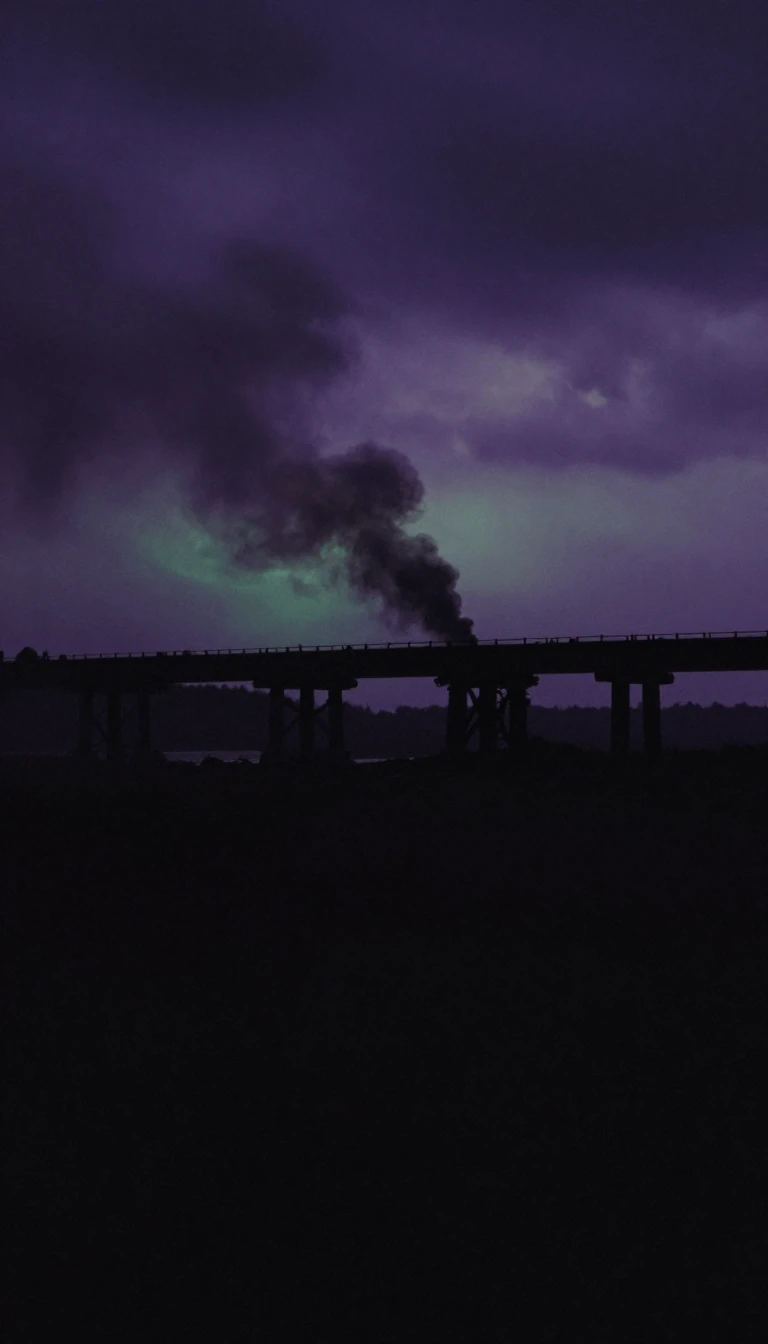
In short: In Greek mythology, Scylla is a terrifying, man-eating beast guarding a narrow strait. Yet, ancient rationalists argued she was never a monster at all. From a swift Tyrrhenian trireme to a treacherous rocky promontory, the myth of Scylla reveals how maritime hazards were transformed into enduring, fearsome legends.
The figure of Scylla first appears in Homer's Odyssey as a monstrous entity dwelling opposite the whirlpool Charybdis. Descriptions of her form vary wildly, with the Suda encyclopedia depicting a woman with six dog heads and a serpent body. Her origins are equally debated; ancient authors like Apollodorus and Hesiod offer conflicting accounts of her parentage, linking her to figures such as Hecate, Phorcys, or Triton. Many myths describe her transformation from a beautiful nymph into a monster, often triggered by the jealousy of figures like Circe or Amphitrite, who poisoned the waters where she bathed.
However, ancient thinkers like Palaephatus sought to demystify these supernatural tales. Palaephatus proposed that Scylla was actually a fast Tyrrhenian pirate ship that plundered the Sicilian coast. Odysseus, in this view, simply outran the vessel. Similarly, the Byzantine scholar Tzetzes interpreted Scylla as a geographical reality: a jagged, cave-riddled promontory in the Strait of Messina. In this rationalization, the 'devouring' of sailors was a metaphor for ships being wrecked against rocks by powerful currents. Heracles' legendary defeat of Scylla was reinterpreted as a practical engineering feat to mitigate these navigational hazards.
These rationalizations highlight a recurring theme in ancient thought: the tendency to explain away the fantastic by grounding it in physical experience. Procopius, for instance, suggested that the myth arose from the abundance of a specific fish, the 'scylax', in the Strait of Messina, leading to linguistic confusion that poets later embellished. Whether viewed as a divine monster or a dangerous stretch of coastline, Scylla remains a powerful symbol of the perilous choices sailors face, immortalized in the idiom 'between Scylla and Charybdis'—a choice between two equally risky outcomes.
Opens the Intellect+ feed with this card first. Swipe up for the next one.
Sources
- Summary by Intellect · source: Scylla
To cite this card, link to https://intellectplus.co.uk/app/ideas-scylla.
How we source, check and correct cards: Editorial standards.
General information, not professional advice. Spotted an error? Flag the card or see corrections and complaints.
Intellect Plus is a visual educational discovery platform for exploring fascinating facts and ideas. Brain Food, Not Brain Rot. What is Intellect Plus?
Related
More in Greek mythology · More in Ideas & Philosophy · Latest · A–Z · All topics
