The Seven Against Thebes: A Mythic Disaster Born from a Father's Cursed Patrimony
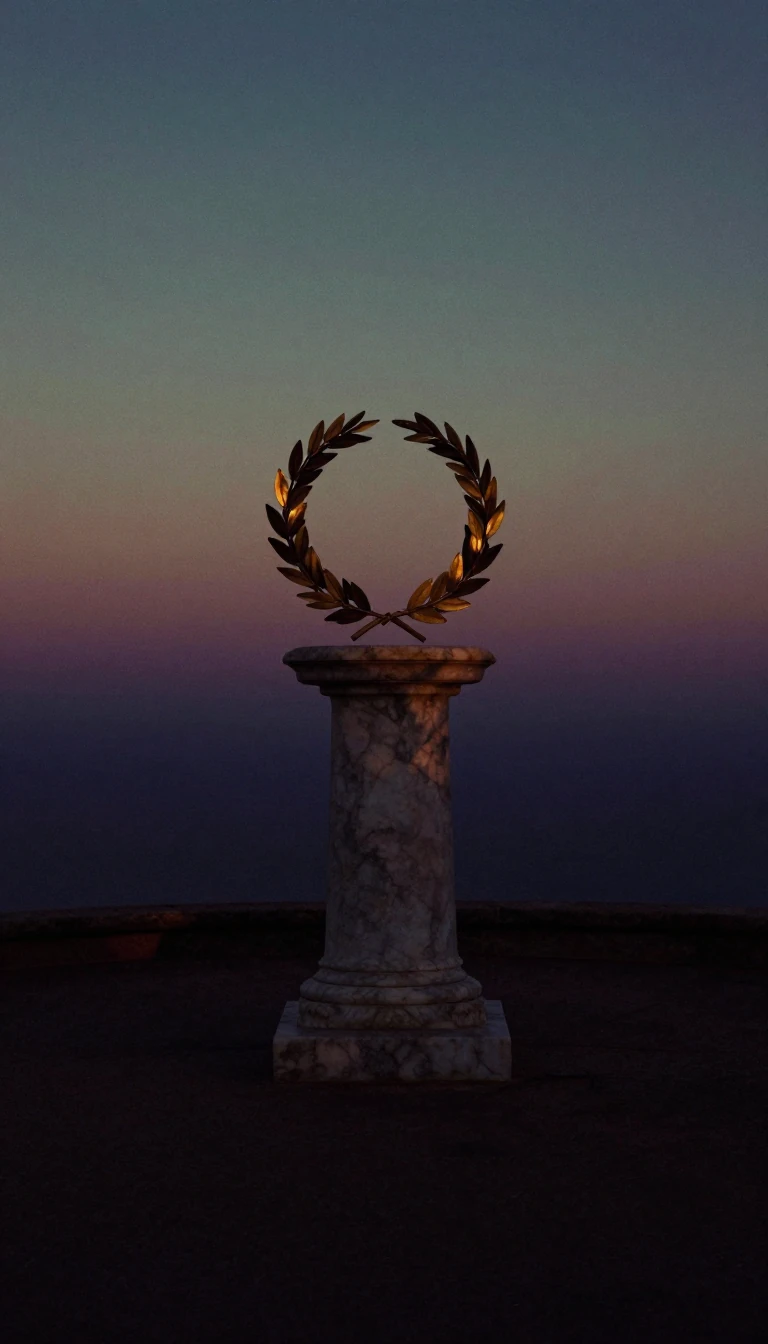
In short: In Greek mythology, seven champions marched on Thebes to restore a throne, only to meet a catastrophic end. Driven by a father's curse and a failed diplomatic mission, their doomed expedition became a cornerstone of the age of heroes, leaving behind a legacy of tragedy, funeral games, and shifting historical accounts.
The war of the Seven against Thebes originated from a bitter quarrel between brothers Polynices and Eteocles over the Theban throne. Cursed by their father, Oedipus, to fight over their inheritance, the brothers’ conflict escalated when Eteocles refused to share power as agreed. Polynices sought refuge in Argos, where King Adrastus, guided by an oracle of Apollo, pledged to restore the exiled prince to his kingdom. Adrastus assembled an army led by seven champions, a group whose membership remained fluid across centuries of storytelling.
The expedition was marked by ill omens and internal strife. Before reaching Thebes, the army stopped at Nemea, where the accidental death of the infant Opheltes led to the establishment of the Nemean Games. Upon arriving at Thebes, the champions faced a city prepared for war. Despite a failed diplomatic mission by Tydeus, the Seven launched an assault on the city's seven gates. The battle resulted in the mutual slaughter of the brothers Polynices and Eteocles, while the other champions perished in various ways—Capaneus by a thunderbolt, Amphiaraus swallowed by the earth, and others in combat.
The number and identity of the Seven were not fixed until Aeschylus’ 467 BC tragedy, 'Seven Against Thebes'. Earlier sources, including Homer's 'Iliad', mention only some of the participants, and the list of names varied significantly between writers like Euripides and Apollodorus. The aftermath of the war also shifted in tradition: while early accounts suggest the bodies were recovered through negotiation by the Athenian king Theseus, later versions emphasize a military victory. Today, the legend persists not just in literature, but in the physical landscape of Eleusis, where ancient, unmarked tombs are still associated with the fallen warriors of this mythic disaster.
This war, occurring in the generation before the Trojan War, was considered one of the two great events of the age of heroes. It serves as a profound meditation on fate, hubris, and the inevitable destruction wrought by familial curses. Whether viewed through the lens of Aeschylus' dramatic structure or the fragmented epics of the sixth century BC, the story of the Seven remains a defining narrative of the ancient Greek world.
Opens the Intellect+ feed with this card first. Swipe up for the next one.
Sources
- Summary by Intellect · source: Seven against Thebes
To cite this card, link to https://intellectplus.co.uk/app/ideas-seven-against-thebes.
How we source, check and correct cards: Editorial standards.
General information, not professional advice. Spotted an error? Flag the card or see corrections and complaints.
Intellect Plus is a visual educational discovery platform for exploring fascinating facts and ideas. Brain Food, Not Brain Rot. What is Intellect Plus?
Related
More in Greek mythology · More in Ideas & Philosophy · Latest · A–Z · All topics
