Is the sea truly treacherous, or is she merely a victim of the winds?
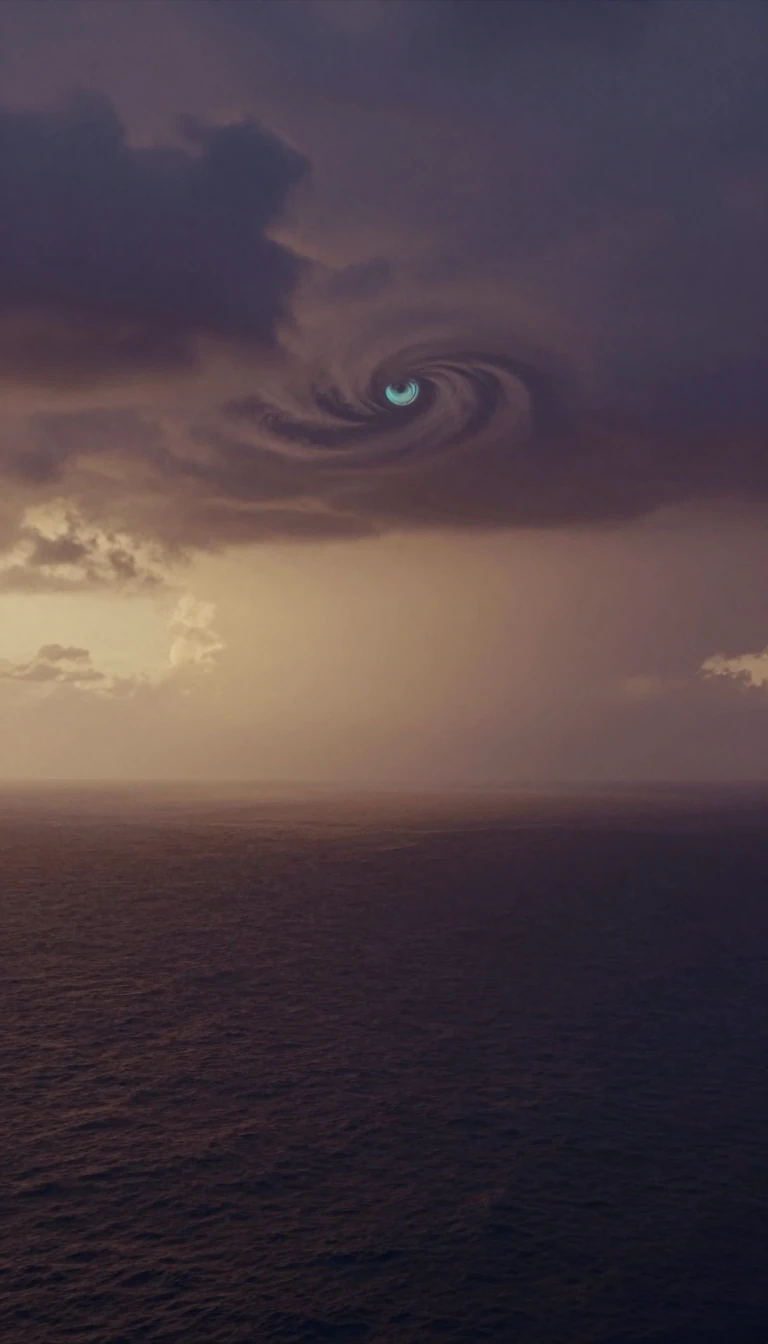
In short: In Greek mythology, Thalassa is the primordial personification of the sea. While often blamed for shipwrecks and destruction, ancient fables suggest a different perspective: the sea claims she is inherently calm and safe, arguing that it is only the winds that force her into violent, destructive behavior.
Thalassa, whose name likely shares roots with the Mesopotamian goddess Tiamat, occupies a complex place in the Greek pantheon. Ancient accounts vary wildly regarding her lineage and offspring. Hyginus, writing between 64 BC and AD 17, identified her as the daughter of Aether and Dies, positioning her as the sister of Earth and Sky. Conversely, other traditions link her to the birth of figures like Aegaeon, the Telchines, or even Aphrodite, depending on whether she is equated with Tethys.
The sea’s reputation for volatility was a frequent subject of ancient fables. In two stories recorded by Babrius, the sea defends herself against accusations of treachery by survivors of shipwrecks. She insists that her true nature is as safe as dry land, blaming the winds for her turbulence. A separate fable by Syntipas highlights her indifference to human perception; when rivers complain that she turns their sweet water salty, she simply advises them to avoid contact if they dislike the result.
Over time, the visual representation of the sea evolved. While Roman-era mosaics initially favored Tethys and Oceanus, Thalassa eventually became the dominant figure, particularly in Western Asia. By this period, her iconography had shifted, adopting attributes previously associated with Oceanus. She was commonly depicted as a half-submerged woman adorned with seaweed, sporting crab-claw horns, and holding a ship's oar and a dolphin. This transformation reflects the fluid, shifting nature of myth itself, where divine identities and symbols are constantly reappropriated.
Her legacy persists in modern art. In 2011, the artist Swoon created a site-specific installation of the goddess for the New Orleans Museum of Art, which was later re-erected at the Detroit Institute of Arts in 2016. These installations demonstrate how the ancient personification of the sea continues to provide a powerful visual language for contemporary creators exploring themes of nature and human vulnerability.
Opens the Intellect+ feed with this card first. Swipe up for the next one.
Sources
- Summary by Intellect · source: Thalassa
To cite this card, link to https://intellectplus.co.uk/app/ideas-thalassa.
How we source, check and correct cards: Editorial standards.
General information, not professional advice. Spotted an error? Flag the card or see corrections and complaints.
Intellect Plus is a visual educational discovery platform for exploring fascinating facts and ideas. Brain Food, Not Brain Rot. What is Intellect Plus?
Related
More in Greek mythology · More in Ideas & Philosophy · Latest · A–Z · All topics
