Why do we believe swans sing a beautiful, final melody before they die?
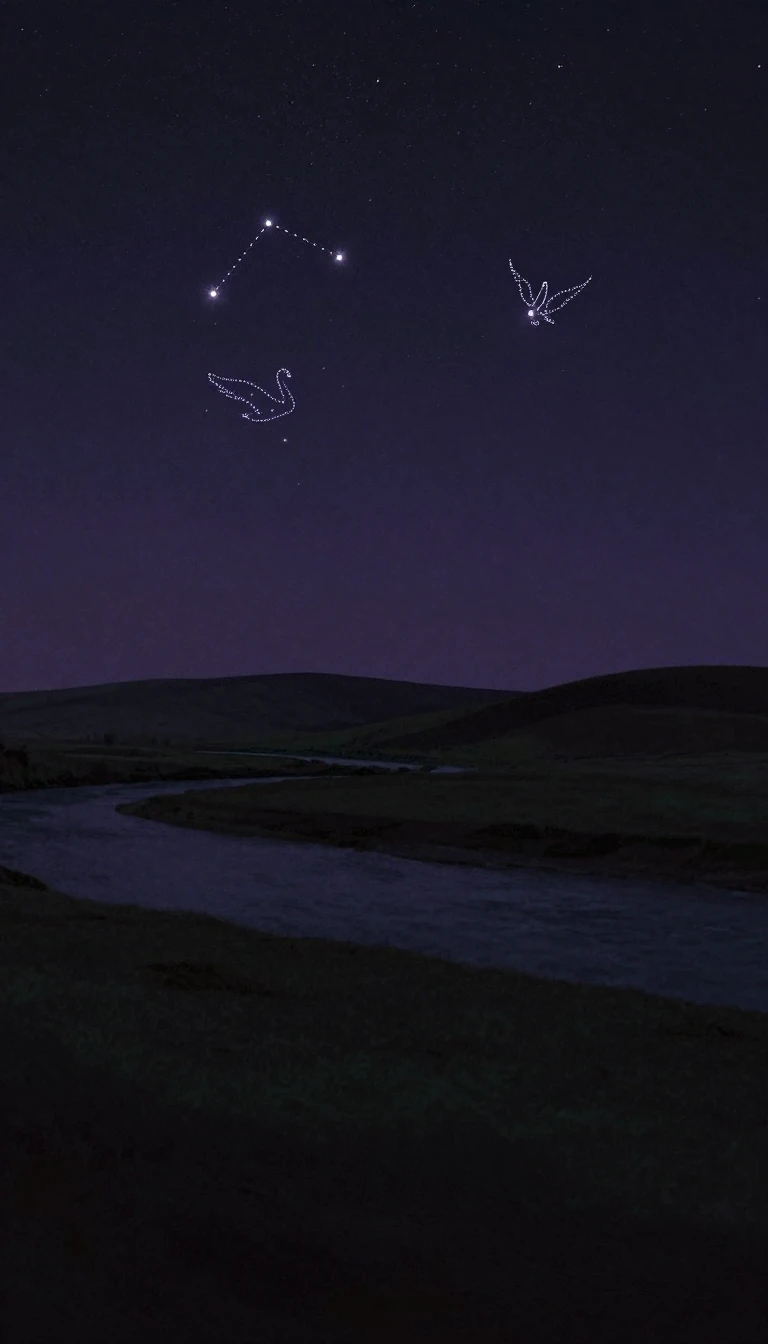
In short: The swan song is a poetic metaphor for a final, grand performance before death or retirement. While the idea has captivated Western culture for millennia, from ancient Greek philosophers to modern musicians, the reality is a mix of biological curiosity, mythological symbolism, and a persistent, centuries-old misunderstanding of bird behavior.
The legend of the swan song suggests that these birds, typically silent or unmusical, break into a beautiful melody at the moment of their death. By the 3rd century BCE, this belief was already a well-established proverb in ancient Greece. In Plato’s Phaedo, Socrates famously interpreted this final act as a joyful expression of foreknowledge regarding the afterlife. Aristotle, in his History of Animals, similarly noted that swans were musical and sang primarily as death approached. This imagery became deeply embedded in Western art and literature, echoed by figures ranging from Chaucer and Leonardo da Vinci to Shakespeare, who used the trope to heighten the drama of his characters' final moments.
Skeptics have challenged the myth since antiquity. Pliny the Elder, writing in CE 77, dismissed the notion as false after his own observations. Modern ornithology confirms that the mute swan, the most common European species, is not actually mute but lacks the vocal apparatus to produce a melodic death-hymn. However, the legend may have a biological basis in the whooper swan. This species possesses an extra tracheal loop within its sternum, which can cause a series of drawn-out, plaintive notes as air is forced through the lungs during the bird's final collapse. Naturalist Peter Pallas first proposed this anatomical feature as the potential origin for the ancient belief.
Beyond the biological debate, the swan held a sacred place in Greek mythology as a bird consecrated to Apollo, symbolizing harmony and beauty. The myth may also be linked to the lament of Cycnus, who was transformed into a swan after mourning his lover, Phaethon. Today, the term has evolved into a common metaphor for a creator's final masterpiece. From Franz Schubert’s posthumous song collection to David Bowie’s Blackstar and Derek Jeter’s final walk-off hit, the swan song remains a powerful cultural shorthand for the dignity and finality of a closing act.
Opens the Intellect+ feed with this card first. Swipe up for the next one.
Sources
- Summary by Intellect · source: Swan song
To cite this card, link to https://intellectplus.co.uk/app/ideas-swan-song.
How we source, check and correct cards: Editorial standards.
General information, not professional advice. Spotted an error? Flag the card or see corrections and complaints.
Intellect Plus is a visual educational discovery platform for exploring fascinating facts and ideas. Brain Food, Not Brain Rot. What is Intellect Plus?
Related
More in Greek mythology · More in Ideas & Philosophy · Latest · A–Z · All topics
