The ancient oracle who channeled gods through ecstatic frenzy and ambiguous, written verse
In short: Long before modern fortune-telling, the Sibyls were legendary prophetesses of the ancient world. From the famous Pythia at Delphi to the mysterious Cumaean Sibyl, these women were believed to communicate directly with the divine, shaping the fate of empires through cryptic warnings and highly influential, often misunderstood, political counsel.
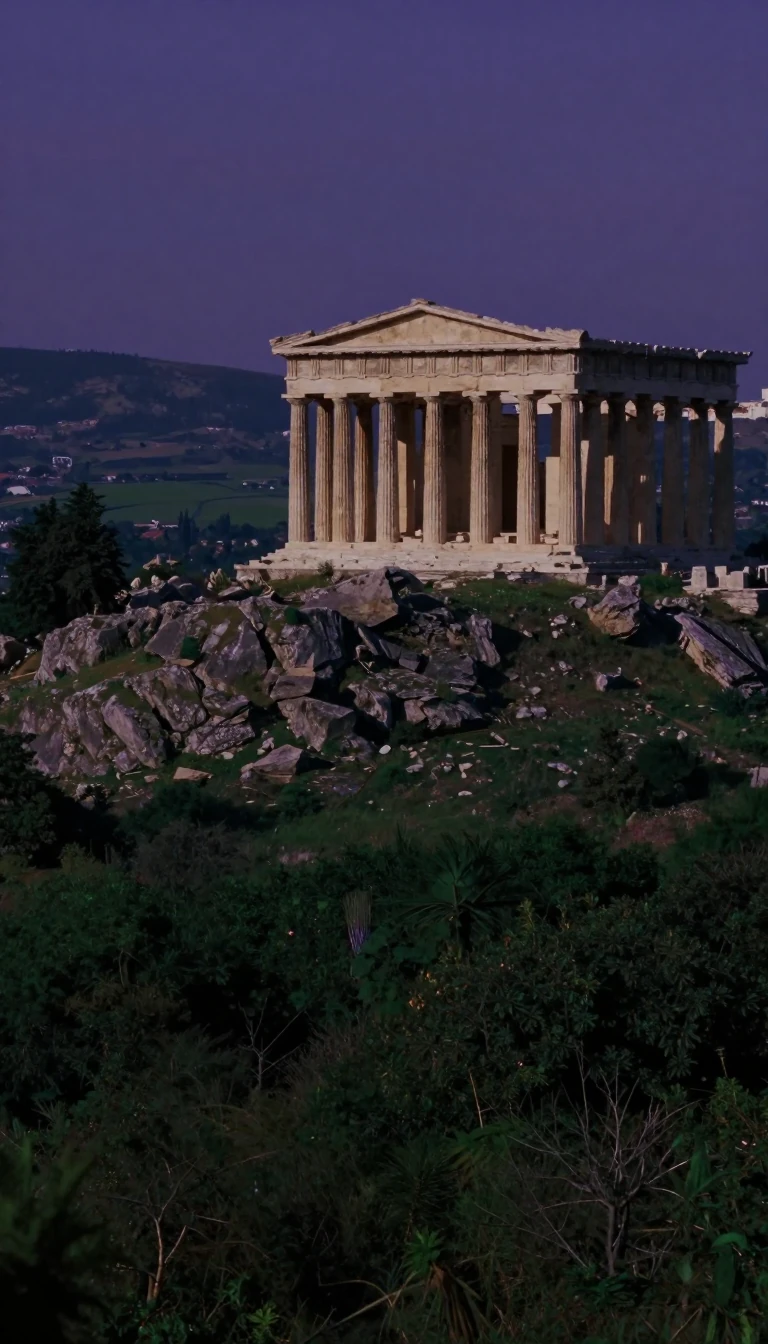
In ancient Greek tradition, the Sibyl was a figure of prodigious age and ecstatic power. While the term eventually encompassed a variety of prophetesses across the Mediterranean, the most iconic was the Pythia at Delphi. Situated on the slopes of Mount Parnassus, she served as the medium for Apollo, providing guidance to lawmakers and leaders from the 8th to the 4th centuries BCE. Her process was rigorous: after ritual bathing and purification, she would enter the temple, descend into a basement cell, and mount a sacred tripod to channel the god, often while chewing laurel leaves.
The source of this altered state remains a subject of debate. Some theories suggest that geologic fault lines beneath the temple emitted gases like ethylene or methane, inducing a trance. Regardless of the mechanism, the Pythia’s words were rarely recorded directly by those who sought them. Instead, priests interpreted her utterances and transcribed them into hexameter verse. These prophecies were notoriously ambiguous, as demonstrated by the fate of King Croesus of Lydia. When he asked if he should attack Persia, the oracle predicted he would destroy a great empire; he did, but it was his own.
As the centuries passed, the number of recognized Sibyls grew from a single, ancient figure to a list of ten, including the Persian, Libyan, and Tiburtine. By the 1st century BCE, these women were associated with various shrines across Greece, Italy, and Asia Minor. Their influence was profound, yet fragile. The Roman emperor Theodosius I effectively ended the Delphic tradition around 393 CE by banning pagan activities. Despite this, the legacy of the Sibyls endured, with later writers like Virgil and even early Christians reinterpreting their cryptic verses to fit new political and religious narratives.
Opens the Intellect+ feed with this card first. Swipe up for the next one.
Sources
- Summary by Intellect · source: Sibyl | Prophetess, Oracle & Seer | Britannica
- Also: Sibyl
To cite this card, link to https://intellectplus.co.uk/app/ideas-sibyl.
How we source, check and correct cards: Editorial standards.
General information, not professional advice. Spotted an error? Flag the card or see corrections and complaints.
Intellect Plus is a visual educational discovery platform for exploring fascinating facts and ideas. Brain Food, Not Brain Rot. What is Intellect Plus?
Related
More in Writers · More in Ideas & Philosophy · Latest · A–Z · All topics
