Was the Oracle of Delphi high on ethylene gas or divine inspiration?
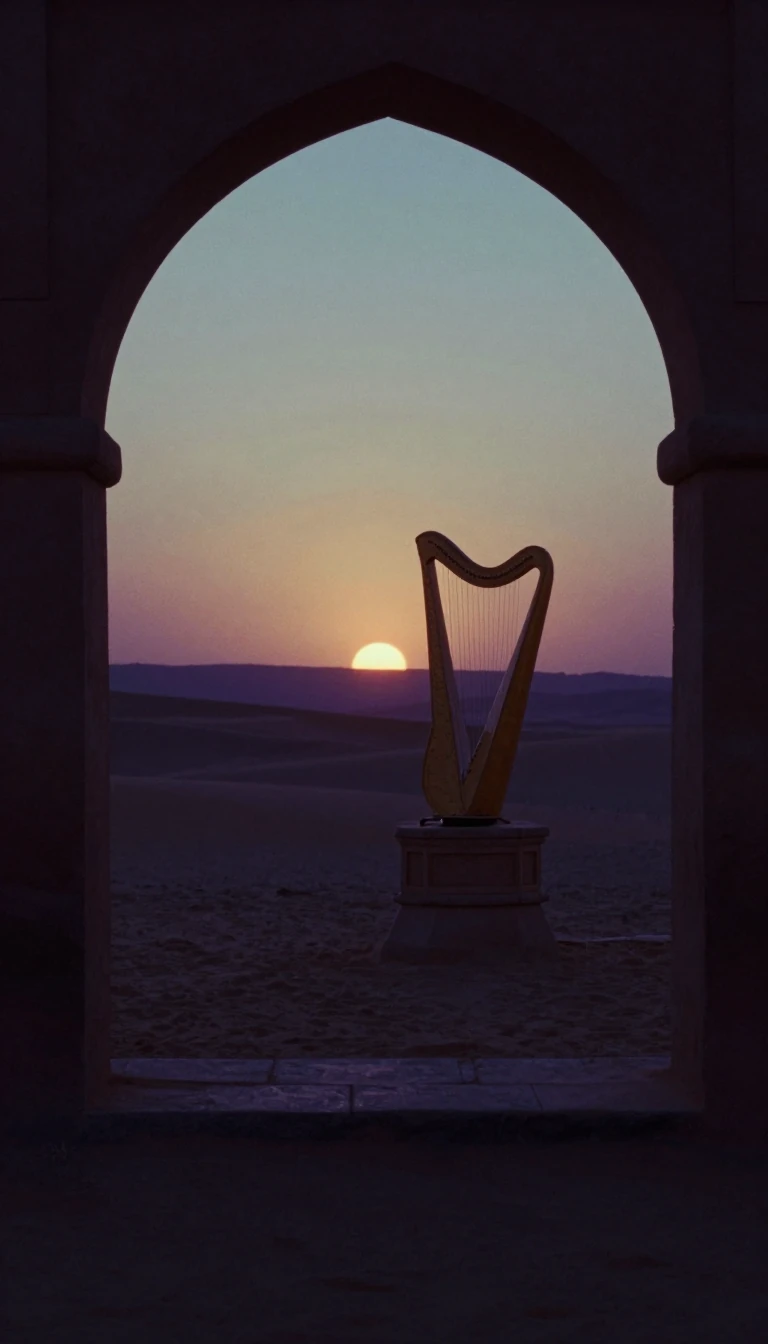
In short: Mount Parnassus was the sacred navel of the ancient world, home to the Muses and the legendary Oracle of Delphi. While Greeks believed the site was the center of the earth, modern science suggests the Oracle's famous trancelike prophecies may have been triggered by geological vapors rising from the temple floor.
Rising to 8,061 feet, the limestone slopes of Mount Parnassus in central Greece served as a profound cultural and religious anchor for the ancient world. Ancient Greeks viewed the mountain as the home of the Muses, the god Apollo, and the site where Zeus's eagles met to mark the world's center. This spiritual significance was physically manifested at Delphi, a town perched on the mountain's lower slopes, which housed the most important oracle in antiquity.
The Oracle's influence was immense, swaying public policy and guiding the establishment of new colonies across the Greek-speaking world. By the 8th century BCE, priests from Knossos had established the cult of Apollo at the site. The prestige of the oracle peaked after the First Sacred War in 590 BCE, which secured free access to the sanctuary and led to the reorganization of the Panhellenic Pythian Games. However, this power invited conflict, and the site changed hands between rival city-states through several sacred wars.
The mechanism behind the Oracle's visions has long intrigued scholars. In 2001, scientists identified the presence of ethylene gas in the region, a substance once used as an anesthetic that can induce trancelike states. This discovery aligns with historical accounts of vapors rising from the temple floor. Despite its religious importance, the site faced decline with the spread of Christianity, eventually being closed by a decree from Theodosius around 385 CE. Today, the ruins remain a UNESCO World Heritage site, though they are increasingly threatened by erosion.
Beyond its mythological and religious weight, the mountain has a complex history of human use. Since the late 1930s, the extraction of bauxite has occurred on the mountain, causing ecological damage. The name Parnassus itself remains a subject of linguistic debate; while some scholars suggest a derivation from the Luwian word for temple, others note that the name remains an isolate with no definitive archaeological evidence linking it to Anatolian presence.
Opens the Intellect+ feed with this card first. Swipe up for the next one.
Sources
- Summary by Intellect · source: Mount Parnassus | Delphi, Oracle, Mythology | Britannica
- Also: Mount Parnassus
To cite this card, link to https://intellectplus.co.uk/app/places-mount-parnassus.
How we source, check and correct cards: Editorial standards.
General information, not professional advice. Spotted an error? Flag the card or see corrections and complaints.
Intellect Plus is a visual educational discovery platform for exploring fascinating facts and ideas. Brain Food, Not Brain Rot. What is Intellect Plus?
Related
More in Mountain peaks and volcanos · More in Countries & Cities · Latest · A–Z · All topics
