The cosmic tragedy of Sophia: a divine spark lost in the weight of matter
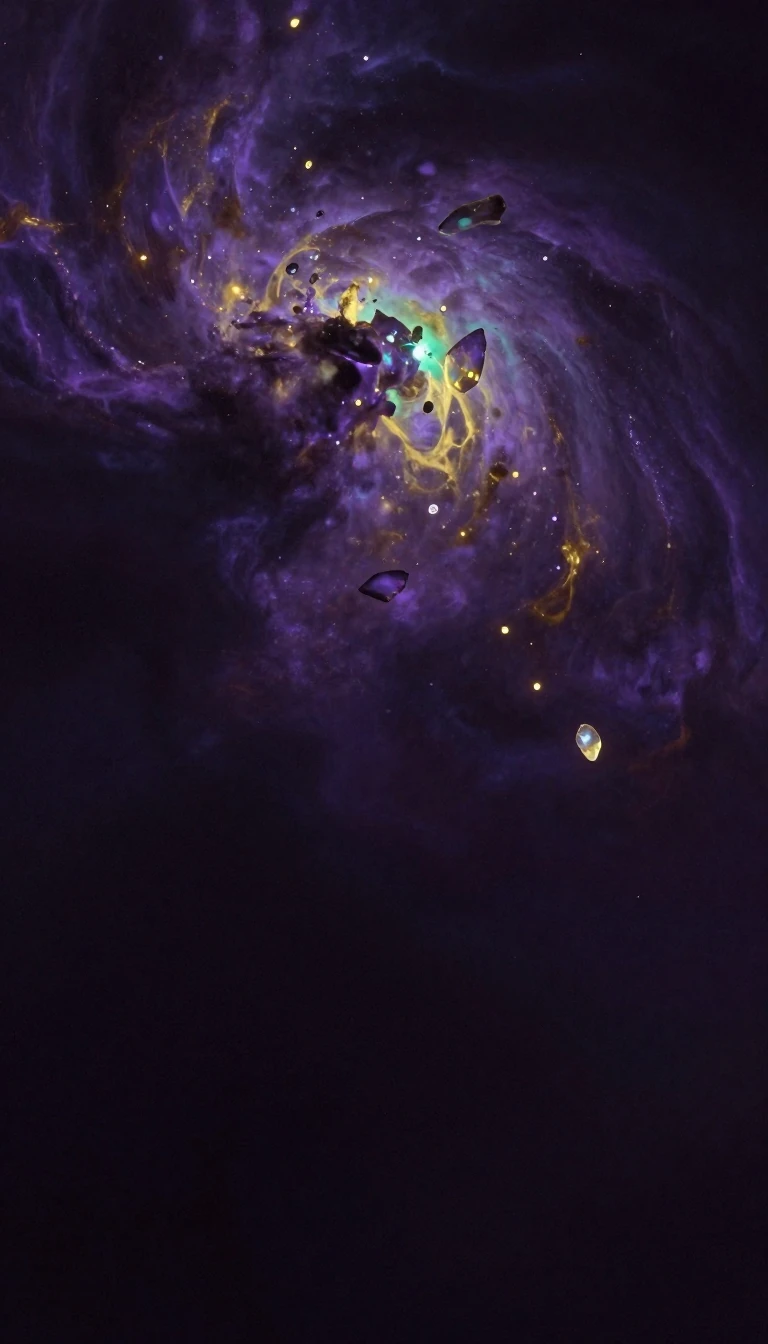
In short: In Gnostic mythology, the universe is not a perfect creation, but a byproduct of a divine accident. Sophia, a feminine emanation of the Godhead, fell from the celestial realm into the void, her longing for home creating the very physical world we inhabit. She is the soul of the cosmos, trapped in a body of matter.
In Gnostic cosmogony, the universe begins with the Monad, an unknowable source from which Aeons—divine attributes appearing in male-female pairs called syzygies—emerge to form the Pleroma, or 'Fullness.' Sophia is the highest of these emanations. However, a crisis occurs when she attempts to emanate without her male counterpart, or when she experiences a 'flaw' or 'passion.' This spiritual instability causes her to fall from the Pleroma into the 'kenōma,' the void or lower realm.
This fall is characterized by intense fear and anguish. As Sophia seeks to return to the light, her accidental movements produce matter (hylē) and the soul (psychē). During this exile, she mistakenly creates the Demiurge, also known as Yaldabaoth, an ignorant artisan who structures the physical world. While the Demiurge is unaware of Sophia's grief, he manages to infuse a spiritual spark, or pneuma, into his creation. In many systems, Sophia is seen as the mediator between these two worlds, residing at the 'gates of the mighty' between the heavens and the earth.
The drama of the universe is defined by Sophia's redemption. In the Pistis Sophia, Christ is sent to restore her to the Pleroma, enabling her to see the light again. This cosmic rescue is mirrored in human existence: the Gnostics believed Sophia resides in every human as a divine spark. Christ then descends as Jesus to provide humanity with the gnosis required to recognize this spark, liberate themselves from the material world, and reunite with the spiritual realm. Sophia thus serves as both the source of the world's suffering and the blueprint for its salvation.
Different traditions offer nuanced variations of this myth. Some describe her as 'Aristera' (She of the Left), a light that overflowed from the divine union and became weighed down by the 'body' of the world. Others view her as the 'Mother of the Living,' the formatrix of heaven and earth who uses the creation of man to reclaim the light stolen by the Archons. Ultimately, she represents the pneumatic soul's journey: a descent into chaos and a perpetual striving to return home.
Opens the Intellect+ feed with this card first. Swipe up for the next one.
Sources
- Summary by Intellect · source: Sophia (Gnosticism)
To cite this card, link to https://intellectplus.co.uk/app/ideas-sophia-gnosticism.
How we source, check and correct cards: Editorial standards.
General information, not professional advice. Spotted an error? Flag the card or see corrections and complaints.
Intellect Plus is a visual educational discovery platform for exploring fascinating facts and ideas. Brain Food, Not Brain Rot. What is Intellect Plus?
Related
More in Writers · More in Ideas & Philosophy · Latest · A–Z · All topics
