Are the Aeons of Gnosticism merely divine emanations or the architects of our reality?
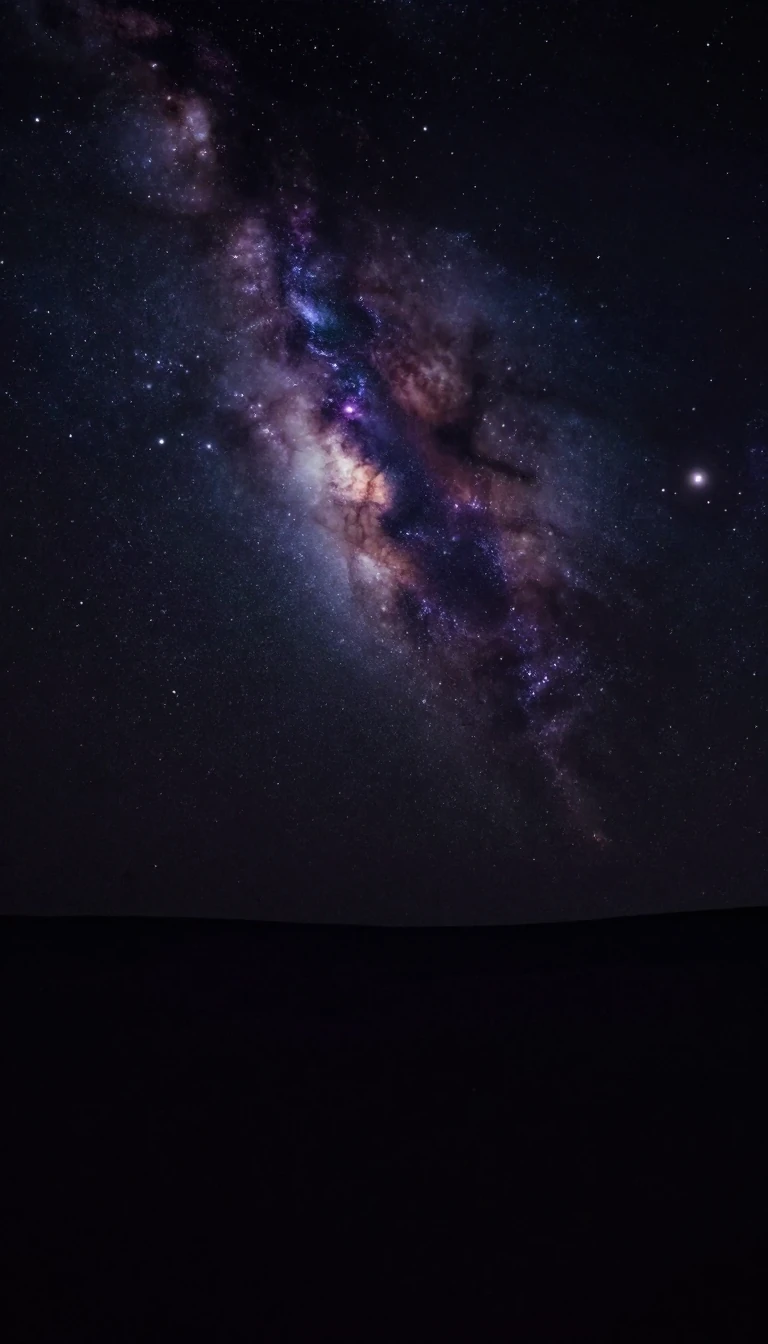
In short: In Gnostic belief, the universe is not a singular creation but a cascading series of emanations from a hidden God. These beings, known as Aeons, form a complex, immaterial hierarchy. Yet, a single flaw or passion within one of these entities allegedly birthed our flawed, material world of suffering.
At the heart of Gnostic cosmology lies the Pleroma, or 'fullness,' a realm of pure, immaterial light. Within this space, the ultimate source—often called Bythos, the One, or the Monad—emanates a series of divine beings known as Aeons. These entities are not merely servants; they are hypostatic ideas, representing divine attributes like Mind, Truth, or Silence. In systems like Valentinianism, these Aeons emerge in sexually complementary pairs called syzygies, creating a complex hierarchy that can number up to thirty distinct beings.
The transition from this perfect, noumenal world to our sensible, material existence is typically explained as a cosmic accident. In many accounts, the youngest Aeon, Sophia, experiences a passion or error while attempting to comprehend the Father. This transgression results in the birth of the Demiurge, or Yaldabaoth, a creature that does not belong to the Pleroma. This Demiurge, often depicted as ignorant or flawed, becomes the architect of the physical universe, trapping humanity in a realm of matter that is fundamentally separated from the divine source.
The Gnostic path to salvation, or Gnosis, is the process of undoing this material error. By recognizing their true origin, humans seek to return to the Pleroma. To facilitate this, the One emanates savior Aeons, such as Christ and the Holy Spirit, to teach humanity how to achieve repentance and escape the limitations of the physical world. This framework reflects a deep-seated belief that earthly structures are merely imperfect copies of heavenly archetypes, a concept that echoes earlier philosophical traditions while framing the material world as a place of exile.
The classification of these Aeons remains a subject of historical debate, with different Gnostic teachers proposing conflicting sequences. While some systems count thirty Aeons, others argue over whether the First Principle should be included or if it exists beyond such categorization. These hierarchies were not static; they were dynamic attempts to reconcile the perfection of the divine with the evident imperfection of the world we inhabit, turning the structure of the cosmos into a map for the soul's return.
Opens the Intellect+ feed with this card first. Swipe up for the next one.
Sources
- Summary by Intellect · source: Aeon (Gnosticism)
- Also: www.britannica.com — Aeon | Dualism, Dualists & Gnostics | Britannica
To cite this card, link to https://intellectplus.co.uk/app/places-aeon-gnosticism.
How we source, check and correct cards: Editorial standards.
General information, not professional advice. Spotted an error? Flag the card or see corrections and complaints.
Intellect Plus is a visual educational discovery platform for exploring fascinating facts and ideas. Brain Food, Not Brain Rot. What is Intellect Plus?
Related
More in Countries and other regions · More in Countries & Cities · Latest · A–Z · All topics
