Was the legendary lost city of Tartessos actually a bustling industrial hub in Huelva?
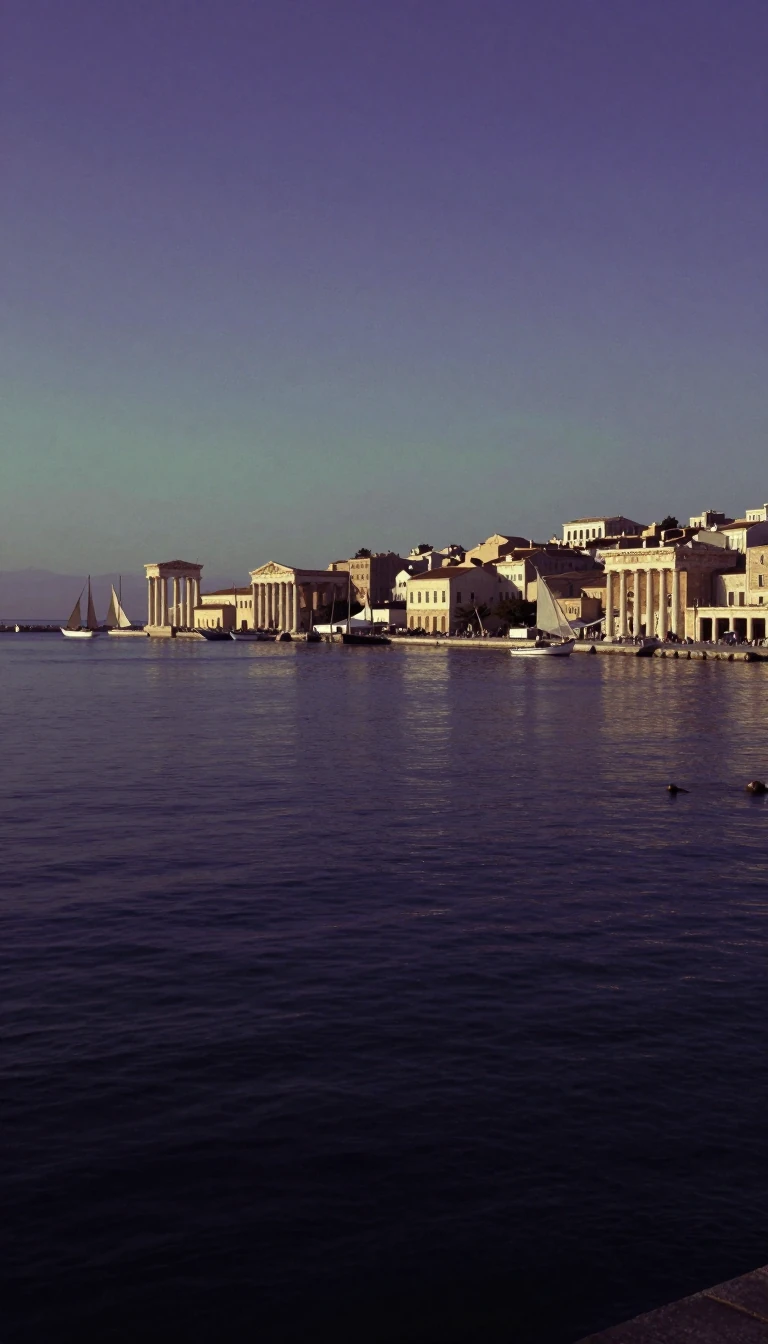
In short: Long dismissed as a semi-mythical harbor beyond the Pillars of Hercules, Tartessos was once a thriving center of metal production and Mediterranean trade. While early explorers searched for a sunken city, modern archaeology suggests this sophisticated culture was a real, industrial powerhouse that helped shape the ancient Iberian economy.
Tartessos emerged in the southern Iberian Peninsula around the 9th century BC, born from a hybridization of local inhabitants and Phoenician settlers. Far from being a mere myth, this culture established a complex society characterized by a unique writing system known as the Southwest script. By the Late Bronze Age, the region had become a critical node for the extraction and trade of metals, particularly tin, gold, and copper. Industrial-scale silver production in Huelva Province reached such heights that millions of tons of pyrometallurgical residues were left behind at sites like Riotinto.
The traditional view of Tartessos as a primitive culture adopting Eastern traits has been challenged by recent excavations. In the city of Huelva, archaeologists uncovered a massive industrial emporion spanning roughly 20 hectares, featuring thousands of imported Greek ceramics and evidence of sophisticated manufacturing. This site, which predates many known Phoenician colonies, suggests Huelva served as a major hub for receiving, crafting, and shipping goods across the Mediterranean. The discovery of elite goods, ivory workshops, and complex urban layouts with rectangular houses indicates a society far more advanced than early classical accounts implied.
Despite its historical significance, the civilization remains shrouded in mystery. Most Tartessian sites were inexplicably abandoned in the 5th century BC, and the name eventually faded from use. While some scholars have attempted to link Tartessos to the biblical Tarshish or even the legend of Atlantis, these claims are often met with skepticism from the scientific community. Today, researchers focus on integrating philological evidence with archaeological findings, such as the 2023 discovery of ornate stone busts representing Tartessian goddesses, to better understand this hybrid culture that once bridged the gap between the Atlantic and the Mediterranean.
Opens the Intellect+ feed with this card first. Swipe up for the next one.
Sources
- Summary by Intellect · source: Tartessos
To cite this card, link to https://intellectplus.co.uk/app/ideas-tartessos.
How we source, check and correct cards: Editorial standards.
General information, not professional advice. Spotted an error? Flag the card or see corrections and complaints.
Intellect Plus is a visual educational discovery platform for exploring fascinating facts and ideas. Brain Food, Not Brain Rot. What is Intellect Plus?
Related
More in Greek mythology · More in Ideas & Philosophy · Latest · A–Z · All topics
