How ancient Indian scholars used complex linguistic gymnastics to preserve the world's oldest texts.
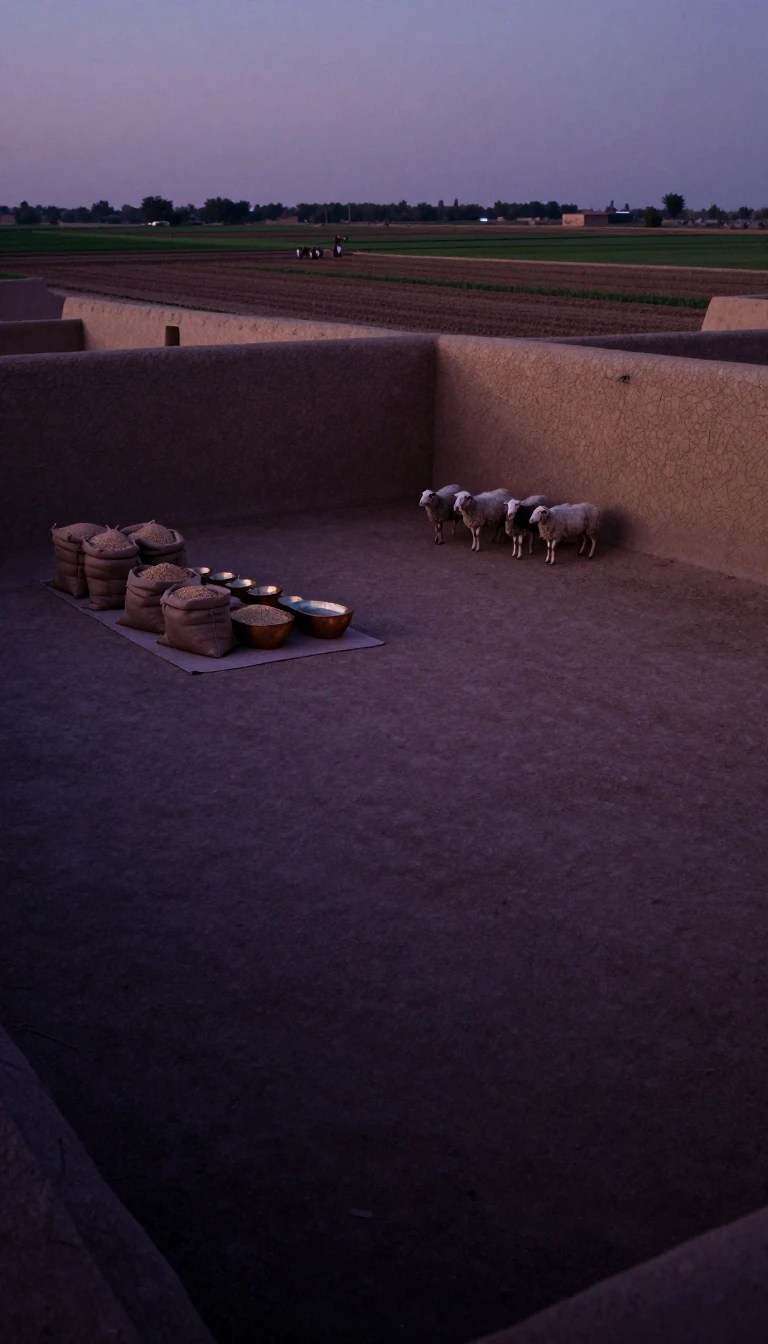
In short: Vedic chant is likely the oldest unbroken oral tradition on Earth, dating back to 800 BC. To ensure perfect fidelity across millennia, ancient sages developed eleven distinct recitation styles, including complex "braided" and "bell" patterns that act as a cross-check for every single syllable, tone, and pitch accent.
The preservation of the Vedas is a feat of human memory and linguistic precision. Ancient Indian culture invested immense energy into maintaining these texts, ensuring that the 1,028 hymns and 10,600 verses of the Rigveda were transmitted with absolute accuracy. This was achieved through a system of pathas, or recitation styles, which function as a rigorous error-correction mechanism. By reciting the same text in multiple, increasingly complex ways, scholars could verify the integrity of the sound and word order across generations.
The process begins with natural recitation styles, such as samhitapatha, which follows continuous phonetic rules, and padapatha, which isolates individual words by removing euphonic combinations. As students advance, they master vikrutipathas—complex modes like Jata and Ghana. In Jatapatha, words are braided together in a back-and-forth pattern, while the Ghanapatha, or 'bell' mode, involves even more intricate reversals. These techniques, some of which developed after the 5th century BCE, ensure that the exact pronunciation and pitch accents are preserved, as the potency of the mantras is believed to reside in their precise sound.
This focus on sound is rooted in the philosophical concept of Shabda Brahman, or 'word as The Absolute.' Vedantic literature suggests that the universe itself originated from sound, and that spiritual liberation can be attained through the mastery of these sacred vibrations. By piercing through lower levels of consciousness, these mantras serve as tools for purification. The effectiveness of this oral tradition is evidenced by the survival of the Ṛgveda, which dates back to approximately 1500 BCE, remaining unchanged in both word order and sonority to this day.
Opens the Intellect+ feed with this card first. Swipe up for the next one.
Sources
- Summary by Intellect · source: Vedic chant
To cite this card, link to https://intellectplus.co.uk/app/ideas-vedic-chant.
How we source, check and correct cards: Editorial standards.
General information, not professional advice. Spotted an error? Flag the card or see corrections and complaints.
Intellect Plus is a visual educational discovery platform for exploring fascinating facts and ideas. Brain Food, Not Brain Rot. What is Intellect Plus?
Related
More in Eastern religions · More in Ideas & Philosophy · Latest · A–Z · All topics
