The oral echoes of an ancient, unwritten language
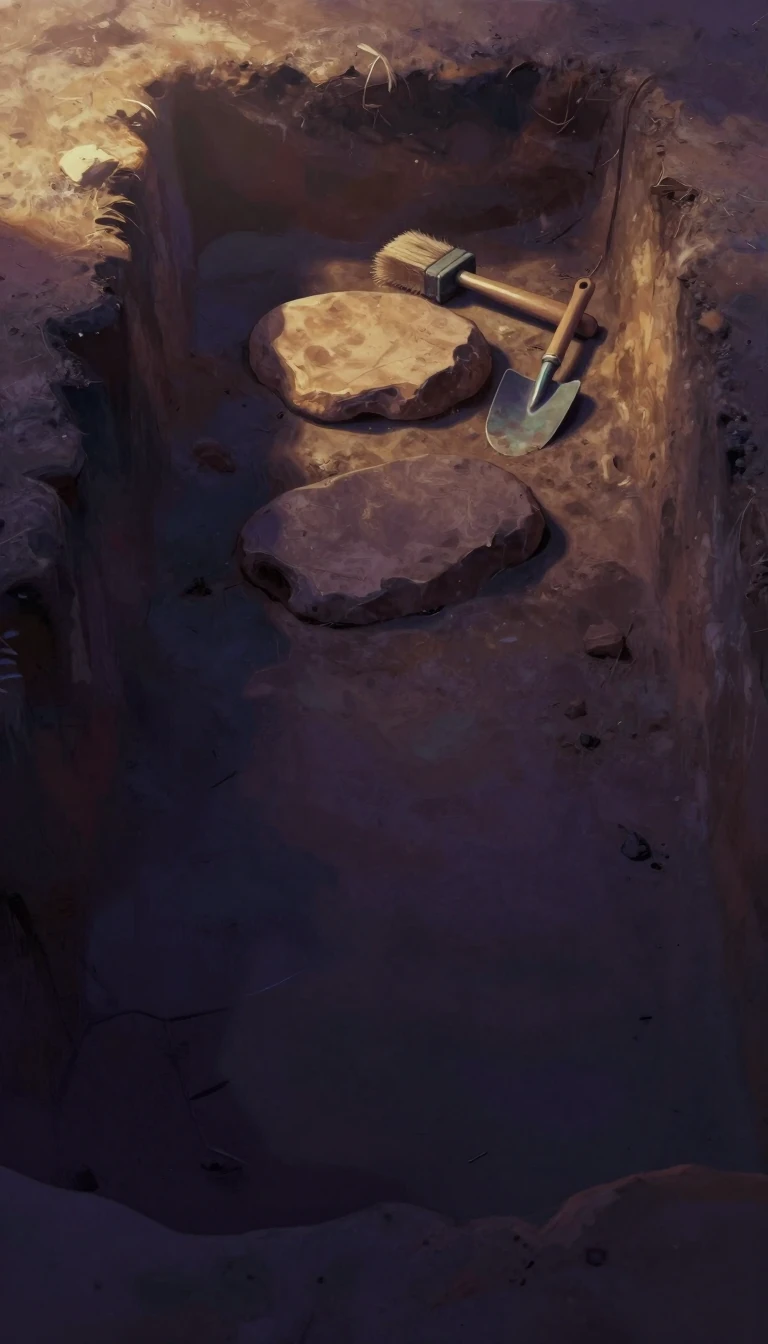
In short: Long before the first stylus touched clay in the Indian subcontinent, a complex linguistic tradition was already flourishing. Vedic Sanskrit, the archaic ancestor of Classical Sanskrit, was preserved entirely through memory, serving as a vital window into the lost history of the Indo-European migrations.
Vedic Sanskrit is the ancient, uncodified form of the language used in the Vedas, the sacred texts of early Indian tradition. Unlike the later, highly structured Classical Sanskrit, the early Vedic language was far less homogeneous. It comprised various dialects found in the northern midlands and northwestern regions of the Indian subcontinent. This linguistic era is characterized by its oral nature; the Vedas were meticulously preserved through spoken tradition centuries before the local advent of writing.
The chronology of this language is tied to the movement of Indo-European-speaking peoples. Scholars generally ascribe the composition of the Rigveda, the oldest of these collections, to approximately 1500 BCE. Some linguistic models suggest that the division of Indo-Aryan from Iranian languages occurred around or before 1800 BCE. Within this period, the Rigveda reached a state of essential completeness by roughly the 12th century BCE, maintaining archaic linguistic correspondences with the ancient Avestan language that vanished in later Indian texts.
The transition from the fluid Vedic form to the standardized Classical Sanskrit was a monumental shift in linguistic history. This formalization was driven by the work of grammarians, most notably Pāṇini, whose Aṣṭādhyāyī established the grammatical norms that would persist for millennia. This process involved the disappearance of complex features, such as the ancient injunctive verb system, and the development of new periphrastic forms. While Prakrit was once the primary language of Indian inscriptions, the refined stability of Sanskrit eventually allowed it to become the universal language of Indian culture.
Opens the Intellect+ feed with this card first. Swipe up for the next one.
Sources
- Summary by Intellect · source: Vedic Sanskrit language | language | Britannica
- Also: Vedic Sanskrit
To cite this card, link to https://intellectplus.co.uk/app/culture-vedic-sanskrit.
How we source, check and correct cards: Editorial standards.
General information, not professional advice. Spotted an error? Flag the card or see corrections and complaints.
Intellect Plus is a visual educational discovery platform for exploring fascinating facts and ideas. Brain Food, Not Brain Rot. What is Intellect Plus?
Related
More in Languages · More in Cultures · Latest · A–Z · All topics
