The cosmic tree: how ancient cultures mapped the universe onto a single trunk
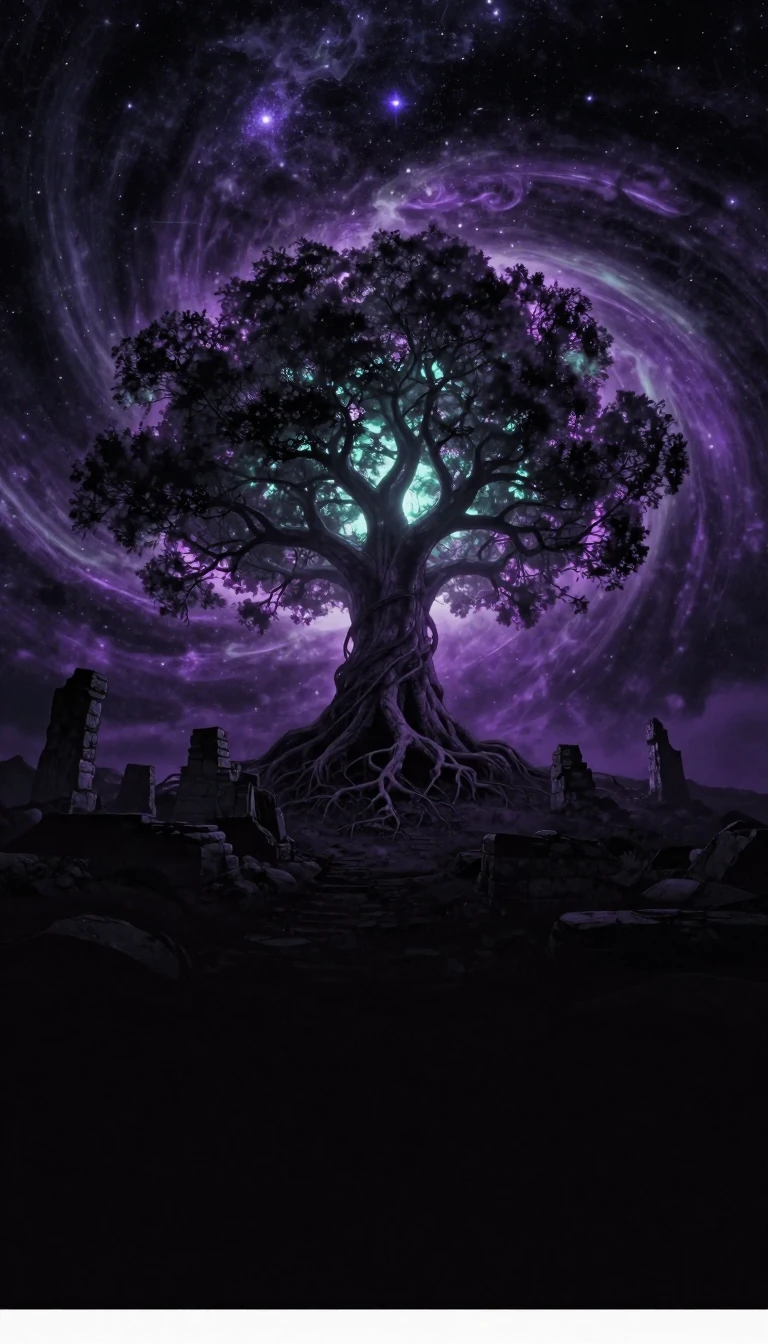
In short: From the Norse Yggdrasil to the Mayan ceiba, the world tree is a near-universal motif. By anchoring the heavens, earth, and underworld, this colossal axis mundi provides a blueprint for the cosmos. Discover how this ancient symbol of order connects diverse mythologies through shared imagery of birds, serpents, and wisdom.
The world tree, or axis mundi, serves as a central pillar of the cosmos across Eurasian, Siberian, and Native American traditions. It functions as a vertical bridge, with its branches reaching into the celestial realm, its trunk anchoring the terrestrial world, and its roots plunging into the underworld. This tripartite structure is often mirrored by a distribution of life: luminaries and birds, such as eagles or falcons, occupy the crown, while chthonic creatures like snakes, dragons, or reptiles dwell near the roots. In many accounts, this mediator between heaven and earth is also a source of life-giving water or immortality.
The motif is deeply embedded in shamanistic practices and cosmogonic myths. In Slavic and Indo-European reconstructions, the tree is the stage for a recurring battle between a thunder deity and a serpentine adversary—a conflict that comparativist Julien d'Huy dates to the Paleolithic. Mircea Eliade noted that the world tree is a vital element in shamanic worldviews, where a giant bird is said to hatch shamans within its branches. These representations appear on Siberian shamanic drums and are echoed in the sacred oak of Greek mythology, which, in the account of Pherecydes of Syros, sprouts from the union of Zeus and the earth-goddess Chthonie.
In the Americas, the concept of the world tree is equally prevalent, often embodying the four cardinal directions. Among the Maya, the ceiba tree served as this central axis, sometimes depicted with a caiman whose skin mimics the tree's spiny bark. While some scholars suggest that certain colonial-era reports of tree worship in the Americas reflect an interaction between indigenous practices and European traditions, the core idea of a central tree uniting horizontal and vertical planes remains a fundamental aspect of many indigenous cosmologies. Whether it is the Norse ash Yggdrasil or the Lithuanian Aušros medis, the world tree remains a testament to humanity's enduring attempt to visualize the order and harmony of the universe.
Opens the Intellect+ feed with this card first. Swipe up for the next one.
Sources
- Summary by Intellect · source: World tree
To cite this card, link to https://intellectplus.co.uk/app/ideas-world-tree.
How we source, check and correct cards: Editorial standards.
General information, not professional advice. Spotted an error? Flag the card or see corrections and complaints.
Intellect Plus is a visual educational discovery platform for exploring fascinating facts and ideas. Brain Food, Not Brain Rot. What is Intellect Plus?
Related
More in Mythology · More in Ideas & Philosophy · Latest · A–Z · All topics
