Why was a temple priest struck dumb in the middle of his sacred duties?
In short: During a routine incense offering in Jerusalem, the priest Zechariah received a divine prophecy that his elderly, barren wife would conceive a son. Because he doubted the angel Gabriel, he was rendered mute. This silence lasted until the child’s naming, marking the beginning of a profound religious legacy.
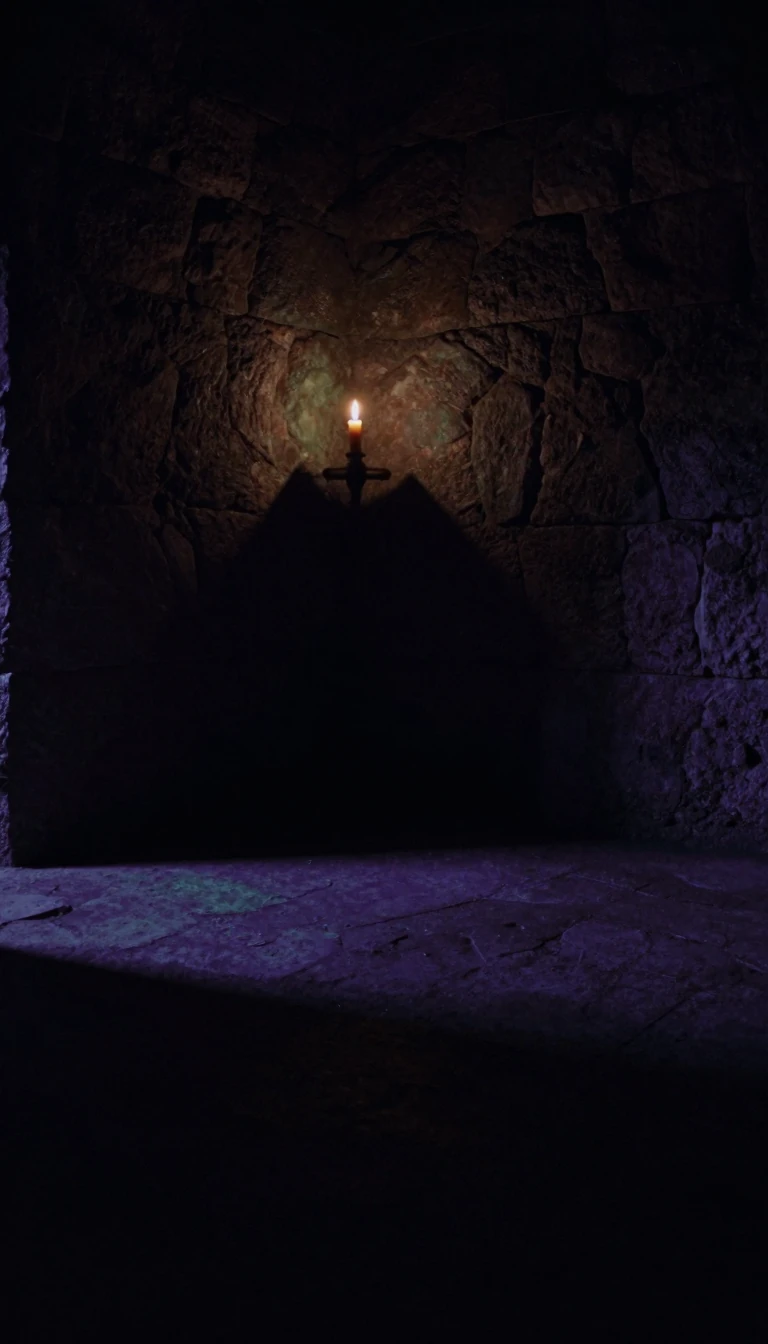
Zechariah was a righteous priest of the course of Abia, serving in the temple during the reign of King Herod. According to the Gospel of Luke, his life changed when the lot for the incense offering fell to him. While ministering, the angel Gabriel appeared, announcing that Zechariah and his wife, Elizabeth, would have a son named John. Zechariah, citing their advanced age, asked for a sign of proof. As a consequence of his disbelief, he was struck unable to speak until the prophecy was fulfilled.
The silence ended only when the couple’s son was circumcised. Despite neighbors expecting the boy to be named after his father, Elizabeth insisted on John. When Zechariah confirmed this on a writing table, his speech returned, and he broke into a prophetic song known as the Benedictus. This event is commemorated in various traditions, with some scholars, such as Adam C. English, calculating the date of the angelic encounter as September 24, based on the Jewish calendar and the Day of Atonement.
The legacy of Zechariah extends beyond the New Testament. In the 2nd-century Gospel of James, he is depicted as a martyr killed by Herod’s soldiers for refusing to reveal his son's location during the massacre of the Innocents. Other traditions, including some Islamic accounts, suggest he was sawn in half. Archaeological evidence also fuels debate; a 4th-century inscription on a 1st-century Jerusalem monument identifies it as the tomb of Zechariah, though experts like Zias and Puech suggest it might refer to a different figure martyred during the time of Vespasian. Today, he remains a figure of veneration across Christianity and Islam, symbolizing faith and the miraculous.
The story remains culturally resonant, notably in Iraq, where the Night of Zechariah is celebrated by Muslims, Christians, and Mandaeans. This festival, held on the first Sunday of the Islamic month of Sha'ban, focuses on the miraculous birth of John and is observed by women seeking to conceive. While some fringe theories, such as those discussed by theologian Young Oon Kim, have suggested alternative interpretations of his lineage, the primary accounts emphasize his role as the father of the forerunner of the Lord.
Opens the Intellect+ feed with this card first. Swipe up for the next one.
Sources
- Summary by Intellect · source: Zechariah, father of John the Baptist
To cite this card, link to https://intellectplus.co.uk/app/ideas-zechariah-father-of-john-the-baptist.
How we source, check and correct cards: Editorial standards.
General information, not professional advice. Spotted an error? Flag the card or see corrections and complaints.
Intellect Plus is a visual educational discovery platform for exploring fascinating facts and ideas. Brain Food, Not Brain Rot. What is Intellect Plus?
Related
More in Philosophers · More in Ideas & Philosophy · Latest · A–Z · All topics
