The most unrealistic death in opera history involves poisoned violets
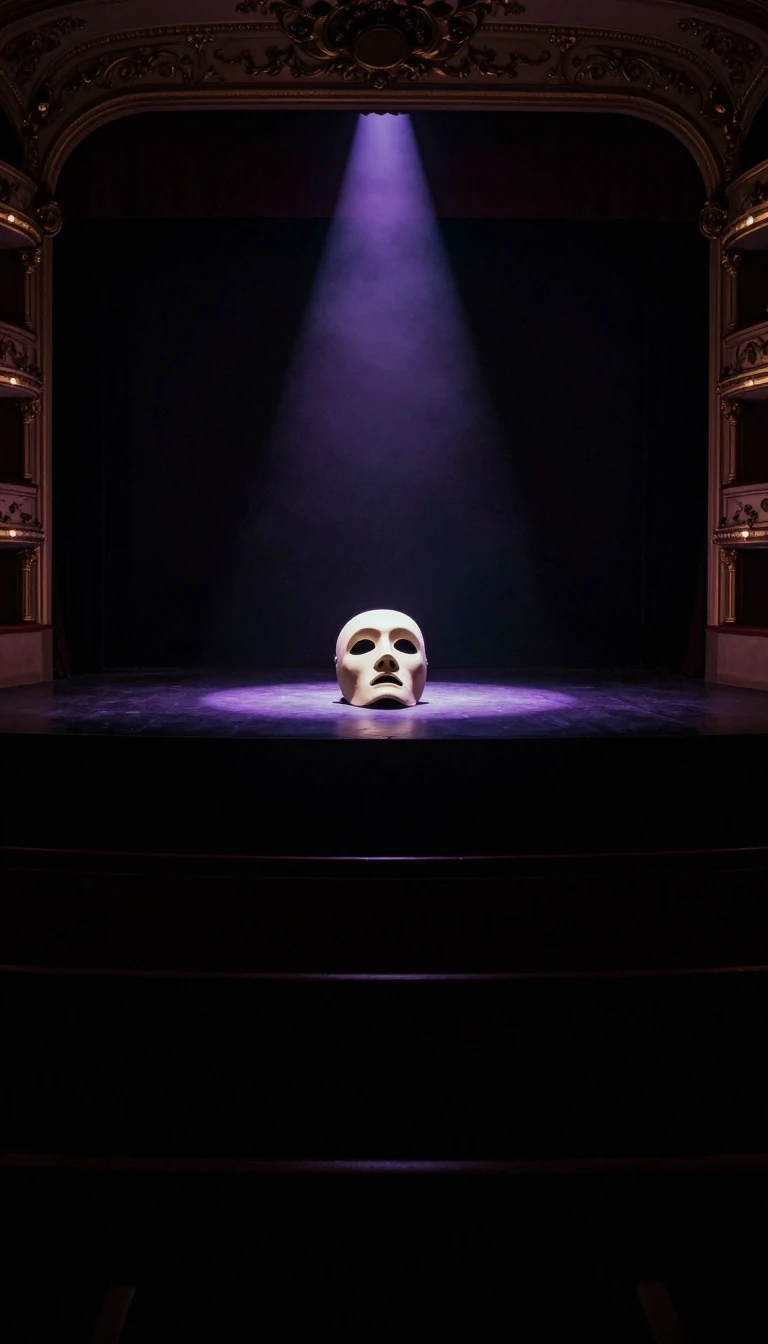
In short: In the world of verismo opera, realism is everything—except for one famous plot device. Adriana Lecouvreur’s tragic end by poisoned flowers is frequently cited as the genre's least believable moment, yet it remains a cornerstone of dramatic vocal power and theatrical spectacle.
Francesco Cilea's 1902 opera, based on a play by Eugène Scribe and Ernest Legouvé, tells the story of French actress Adrienne Lecouvreur. While the work features historical figures, its central narrative is largely fictional. The plot centers on a web of jealousy involving the actress, her lover Maurizio (the disguised Count of Saxony), and a rival Princess de Bouillon. The tension peaks when Adriana discovers she has been poisoned by violets—a death scene so improbable it is often mocked as the least realistic trope in verismo music.
The role of Adriana is famously demanding for sopranos with large voices. It features a relatively low tessitura, rarely exceeding Bb, but requires immense vocal power to navigate the dramatic "Recitation" and the final death scene. Because of these requirements, it has become a signature vehicle for legendary singers like Renata Tebaldi, Montserrat Caballé, and Joan Sutherland. Notably, Plácido Domingo made his Metropolitan Opera debut in this specific role in 1968.
The opera's journey to the global stage was inconsistent. After its 1902 Milan premiere, it had a brief three-performance run at the Met in 1907 due to Enrico Caruso's ill health. It vanished from the Met until 1963, when Renata Tebaldi revived it. Modern productions, such as David McVicar’s direction for the Royal Opera House and the Met, continue to explore this complex, often confusing text, which some critics argue is difficult to follow even with standard cuts.
The tragedy concludes on Adriana's name day. After receiving a casket containing Maurizio's note and the very violets she gave him at the theater, she realizes her fate. In a final moment of lucidity, she experiences "Ecco la luce" before dying in the arms of Michonnet and Maurizio. Despite its narrative flaws, the work remains a staple of the repertoire for its ability to showcase extreme emotional and vocal endurance.
Opens the Intellect+ feed with this card first. Swipe up for the next one.
Sources
- Summary by Intellect · source: Adriana Lecouvreur
To cite this card, link to https://intellectplus.co.uk/app/music-adriana-lecouvreur.
How we source, check and correct cards: Editorial standards.
General information, not professional advice. Spotted an error? Flag the card or see corrections and complaints.
Intellect Plus is a visual educational discovery platform for exploring fascinating facts and ideas. Brain Food, Not Brain Rot. What is Intellect Plus?
Related
More in Opera · More in Music · Latest · A–Z · All topics
