Beyond the desert: how Berber music preserves an ancient identity through rhythm and song
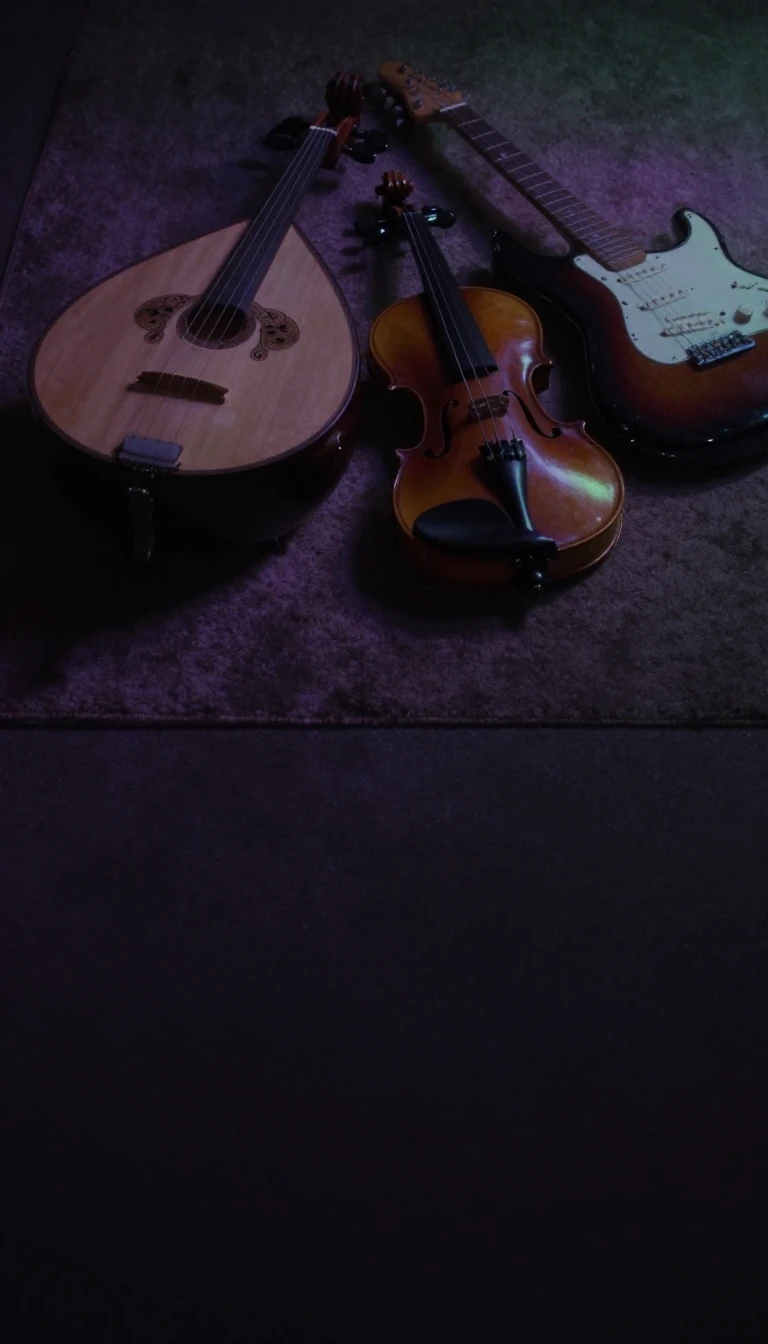
In short: Berber music is a diverse tapestry of North African traditions, blending pentatonic scales, African rhythms, and rich oral literature. From the traveling village poets of Morocco to the electric sounds of modern Kabyle artists, this music serves as a vital vessel for cultural identity, political expression, and social ceremony.
Berber music, or Amazigh music, originates from an ethnolinguistic group indigenous to North Africa that predates the Arab migration to the Maghreb. The tradition is defined by its stylistic diversity, relying heavily on oral literature and distinct rhythmic patterns. Instruments are central to this heritage, ranging from the taghanimt, an end-blown reed flute, to the ginbri, a fretless string instrument with a skin membrane. These sounds are not merely for entertainment; they are integral to weddings, public festivals, and religious ceremonies, often performed by ensembles that combine percussive drums like the bendir with melodic instruments.
In Morocco, traditional music is categorized into collective and professional styles. Collective performances, such as the ahwash and ahidus, involve entire villages in communal dance and chanting. Conversely, professional musicians known as imdyazan travel between villages, led by an amdyaz who improvises poetry about current affairs. Another distinct tradition is the rrways style, which follows a structured performance sequence starting with the astara and ending with the rhythmic tabbayt. This artistic depth was recognized in 2021 when an anthology of rrways music received the Prix Coups de Cœur from the Académie Charles Cross in France.
The evolution of Berber music reflects the broader history of the Berber people, particularly their struggle for language rights and identity recognition. In the 1930s, Kabyle musicians in Paris began incorporating Western instruments like the banjo and violin. Following Algerian independence in 1962, the music became a platform for political commentary, with artists like Idir gaining international fame in 1973. Today, the tradition continues to evolve through fusion styles, blending ancient Berber roots with global influences, while Tuareg communities maintain unique practices where women play the imzhad, a violin-like instrument, at the heart of their musical life.
Opens the Intellect+ feed with this card first. Swipe up for the next one.
Sources
- Summary by Intellect · source: Berber music
To cite this card, link to https://intellectplus.co.uk/app/music-berber-music.
How we source, check and correct cards: Editorial standards.
General information, not professional advice. Spotted an error? Flag the card or see corrections and complaints.
Intellect Plus is a visual educational discovery platform for exploring fascinating facts and ideas. Brain Food, Not Brain Rot. What is Intellect Plus?
Related
More in Music · More in Music · Latest · A–Z · All topics
