How Ancient Egyptian Rhythms and Melodies Shaped the Sound of the Modern World
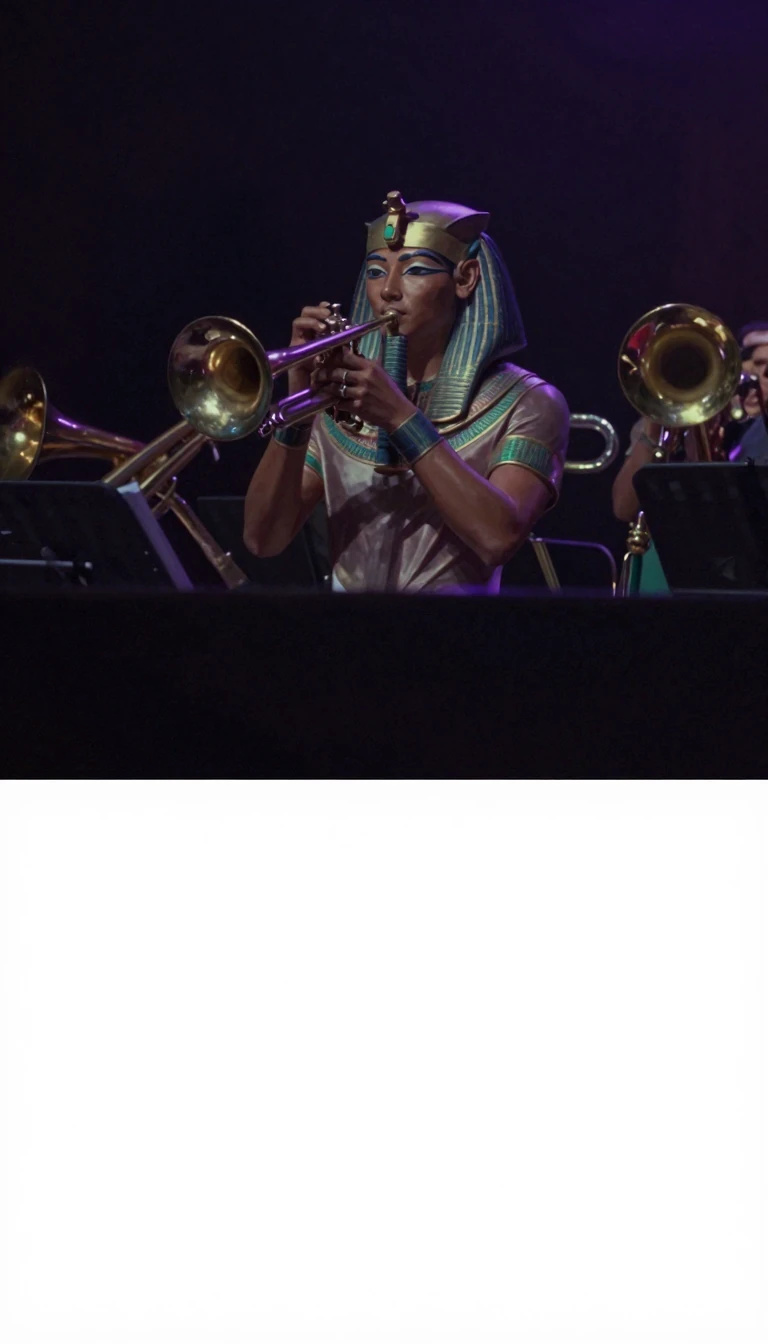
In short: Egyptian music is not merely a regional tradition; it is a foundational pillar of global musical history. From influencing ancient Greek structures to defining the contemporary Middle Eastern soundscape, Egypt’s sonic legacy spans millennia. Discover how complex rhythmic modes and tonal systems have traveled from the Nile to the world stage.
The influence of Egyptian music extends far beyond its own borders, acting as a primary architect for the development of ancient Greek music. Through this connection, Egyptian traditions permeated early European music, maintaining a significant presence well into the Middle Ages. Archaeological evidence confirms that the musical instruments utilized by the ancient Hebrews, as documented in the Bible, were fundamentally Egyptian in origin, reflecting the long-standing cultural dominance Egypt exerted over its neighbors throughout antiquity.
In the modern era, Egypt remains the undisputed heart of Middle Eastern music. This status is sustained by the massive reach of its cinema and music industries, alongside the nation's historical political influence across the region. During the 20th century, Egypt became the primary incubator for the Middle East's most accomplished musicians and composers, cementing its role as the central hub for artistic innovation and cultural export. This creative output has ensured that Egyptian musical sensibilities remain the standard against which other regional styles are measured.
At the core of this musical identity lies a sophisticated technical framework. Unlike the Western major and minor scales, the tonal structure of Eastern music is defined by the maqamat, a system of modes that provides a distinct melodic character. Complementing these melodies is the iqa'at, a complex system of rhythmic modes. These are not simple beats, but structured patterns formed by precise combinations of accented and unaccented notes, interspersed with strategic rests. Together, these elements create a rich, nuanced sound that has defined the region's auditory landscape for generations, proving that the ancient foundations of Egyptian music are still very much alive in the contemporary world.
Opens the Intellect+ feed with this card first. Swipe up for the next one.
Sources
- Summary by Intellect · source: Music of Egypt
To cite this card, link to https://intellectplus.co.uk/app/music-music-of-egypt.
How we source, check and correct cards: Editorial standards.
General information, not professional advice. Spotted an error? Flag the card or see corrections and complaints.
Intellect Plus is a visual educational discovery platform for exploring fascinating facts and ideas. Brain Food, Not Brain Rot. What is Intellect Plus?
Related
More in Music · More in Music · Latest · A–Z · All topics
