How a DIY guitar made from scrap metal sparked a global desert blues revolution
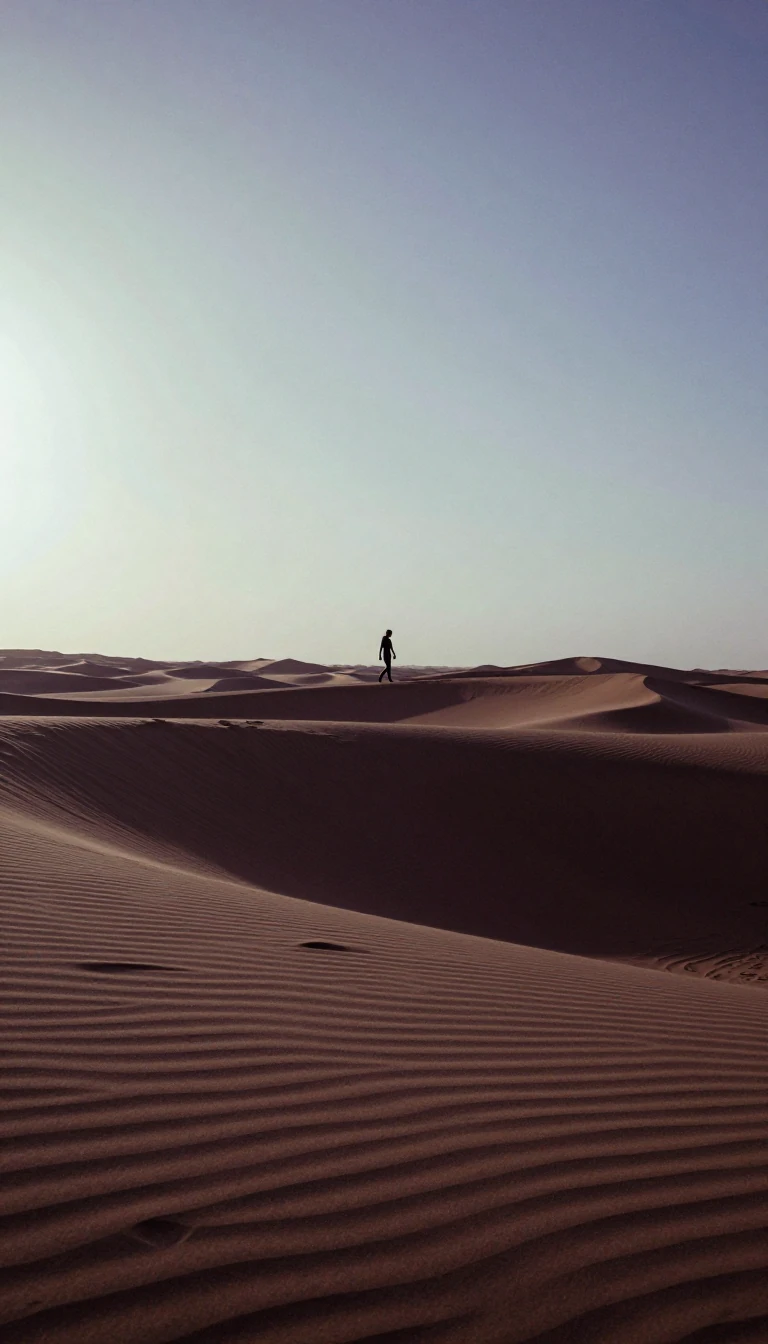
In short: Born from the harsh realities of exile and rebellion in the Sahara, Tinariwen transformed from a nomadic collective of Tuareg fighters into Grammy-winning icons. Their signature sound, forged in refugee camps using makeshift instruments, bridged traditional desert music with rock, eventually captivating listeners from Glastonbury to the Royal Albert Hall.
The collective traces its origins to Ibrahim Ag Alhabib, who witnessed his father's execution during a 1963 uprising in Mali. Living as a refugee in Algeria, he crafted his first instrument from a discarded oil container, a simple wooden rod, and a piece of bicycle brake cable. By 1979, he had acquired an acoustic guitar and formed a band with Alhassane Ag Touhami and Abdallah Ag Alhousseyni, playing at local weddings and gatherings.
In 1980, the group joined a military training program in Libya, where they connected with other displaced Tuareg musicians. They began recording songs on cassette tapes, which circulated widely across the Sahara. Following a 1990 revolt in Mali and the subsequent 1991 peace agreement, the musicians transitioned from the battlefield to full-time music. Their international breakthrough arrived in the early 2000s, leading to collaborations with Western artists like Robert Plant and Thom Yorke.
Despite their global acclaim, the group remains deeply tied to the volatile politics of their homeland. They have faced direct threats from militant groups who view their music as forbidden, leading to the abduction of member Abdallah Ag Lamida in 2013. Forced to record in diverse locations—from Joshua Tree National Park to remote areas of Mauritania—the collective continues to evolve, with their 2026 album Hoggar addressing the ongoing instability in Mali caused by foreign mercenary involvement.
Tinariwen’s music, known as assouf, is often labeled desert blues, though the members note they were unfamiliar with American blues until they began touring internationally. Instead, their style is a fusion of traditional Tuareg melodies, West African rhythms, and the sounds of rock bands like Dire Straits and Jimi Hendrix, whose music they discovered through bootlegged tapes. Today, they serve as a foundational influence for a new generation of Tuareg musicians navigating the complexities of modern desert life.
Opens the Intellect+ feed with this card first. Swipe up for the next one.
Sources
- Summary by Intellect · source: Tinariwen
To cite this card, link to https://intellectplus.co.uk/app/music-tinariwen.
How we source, check and correct cards: Editorial standards.
General information, not professional advice. Spotted an error? Flag the card or see corrections and complaints.
Intellect Plus is a visual educational discovery platform for exploring fascinating facts and ideas. Brain Food, Not Brain Rot. What is Intellect Plus?
Related
More in Musicians and composers · More in Music · Latest · A–Z · All topics
