How the ancient rhythm of Jewish prayer shaped centuries of Western musical evolution
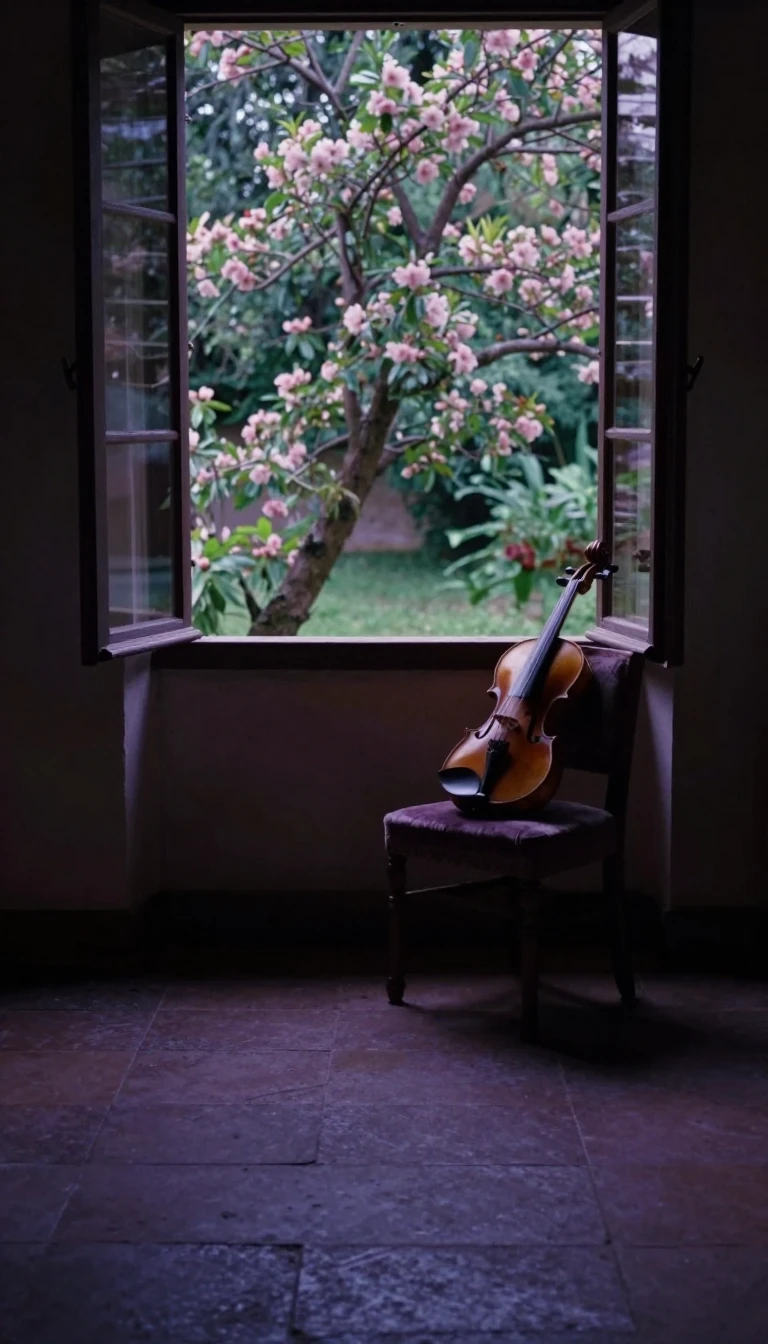
In short: The canonical hours, a series of eight daily prayer services, did more than structure monastic life. They provided the framework for the development of Western music, evolving from simple congregational refrains into the intricate polyphony of the Renaissance and the complex, symphonic masses of the 19th-century masters.
The canonical hours—Matins, Lauds, Prime, Terce, Sext, None, Vespers, and Compline—originated from Jewish traditions of fixed-time prayer. Early Christians adopted these practices, drawing on Psalm 119:164 to justify seven daily prayer times. By the second and third centuries, writers like Clement of Alexandria and Origen were documenting these routines, which were deeply tied to the rhythm of the day and the memory of Christ’s Passion.
Musically, these services served as a laboratory for innovation. Early Christian services relied on simple responsorial chants, which eventually matured into the Gregorian chant during the Carolingian Renaissance. By the 12th century, composers like Léonin and Pérotin of the Notre-Dame school were pushing boundaries with complex organa. As the centuries progressed, the music moved from the restrictive, monophonic settings of early monastic life to the sophisticated polyphony of the Burgundian school and the Renaissance masters like Josquin des Prez and Palestrina.
The transition from the church to the concert hall marked a significant shift in the 19th century. While composers like Beethoven, Schubert, and Bruckner continued to set liturgical texts, their focus shifted toward the concert stage, leading to the varied, often flamboyant, church music of the Romantic era. This evolution continued into the 20th century, as composers such as Benjamin Britten and Igor Stravinsky sought new paths for these ancient forms, ensuring that the legacy of the divine office remained a vital, if transformed, force in Western art music.
Opens the Intellect+ feed with this card first. Swipe up for the next one.
Sources
- Summary by Intellect · source: Canonical hours | History, Definition & Examples | Britannica
- Also: Canonical hours
To cite this card, link to https://intellectplus.co.uk/app/music-canonical-hours.
How we source, check and correct cards: Editorial standards.
General information, not professional advice. Spotted an error? Flag the card or see corrections and complaints.
Intellect Plus is a visual educational discovery platform for exploring fascinating facts and ideas. Brain Food, Not Brain Rot. What is Intellect Plus?
Related
More in Musicians and composers · More in Music · Latest · A–Z · All topics
