Is an oratorio just an opera without the costumes and the stage?
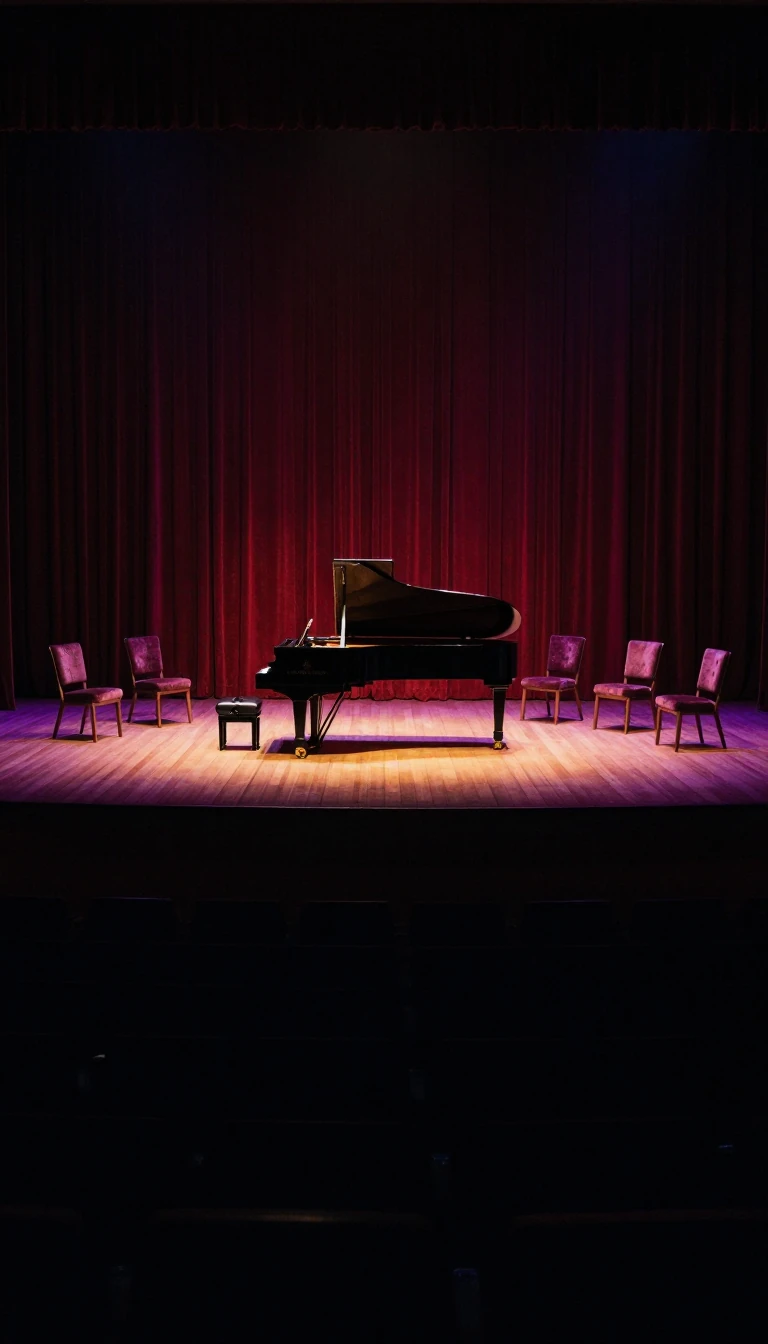
In short: Often mistaken for religious opera, the oratorio is a distinct musical form that emerged from 16th-century prayer halls. While it shares the operatic toolkit of soloists, choruses, and orchestras, it prioritizes narrative and contemplation over theatrical spectacle, creating a unique space for sacred storytelling that transcends the church walls.
The term oratorio traces back to the mid-16th century Roman oratory of St. Philip Neri, where moral musical performances were held to accompany sermons. These early gatherings laid the groundwork for a genre that balances dramatic storytelling with sacred themes. By 1600, Emilio del Cavaliere produced the earliest surviving example, 'Rappresentazione di anima et di corpo,' which featured dramatic action and ballet. However, the form soon evolved toward a more sober, narrative-driven style, particularly under Giacomo Carissimi in the mid-17th century, who utilized Latin texts from the Old Testament to emphasize emotional expression through the chorus.
While oratorios are frequently performed in churches, they are not intended for liturgical use and have long thrived in concert halls. The genre split into distinct regional traditions: the Italian style, which functioned as a form of religious opera; the German tradition, rooted in the Passion story; and the English school, synthesized by George Frideric Handel. Handel, an experienced opera composer, transformed the oratorio into a theatrical presentation performed by opera singers. Although ecclesiastical prejudice often prohibited stage action in his productions, works like 'Messiah' (1742) and 'Samson' (1743) utilized his mastery of characterization to explore profound moral issues.
The genre's evolution continued into the 18th and 19th centuries, though its vitality fluctuated. Joseph Haydn’s 'The Creation' (1798) successfully fused epic dramatic elements with symphonic style, while Felix Mendelssohn’s 'Elijah' (1846) remains one of the few 19th-century oratorios to maintain a consistent place in the repertoire. Despite occasional attempts by composers like Brahms and Liszt to expand the form's scale, the oratorio remains defined by its unique framework: the evangelist’s narrative binding together arias, chorales, and choruses. It is a testament to the genre's enduring power that it can hold complex structures in perfect balance, whether through the genius of Bach or the theatrical flair of Handel.
Opens the Intellect+ feed with this card first. Swipe up for the next one.
Sources
- Summary by Intellect · source: Oratorio | History, Composers & Performances | Britannica
- Also: Oratorio
To cite this card, link to https://intellectplus.co.uk/app/music-oratorio.
How we source, check and correct cards: Editorial standards.
General information, not professional advice. Spotted an error? Flag the card or see corrections and complaints.
Intellect Plus is a visual educational discovery platform for exploring fascinating facts and ideas. Brain Food, Not Brain Rot. What is Intellect Plus?
Related
More in Music · More in Music · Latest · A–Z · All topics
