Why the modern classical guitar is a 19th-century invention that silenced older sounds
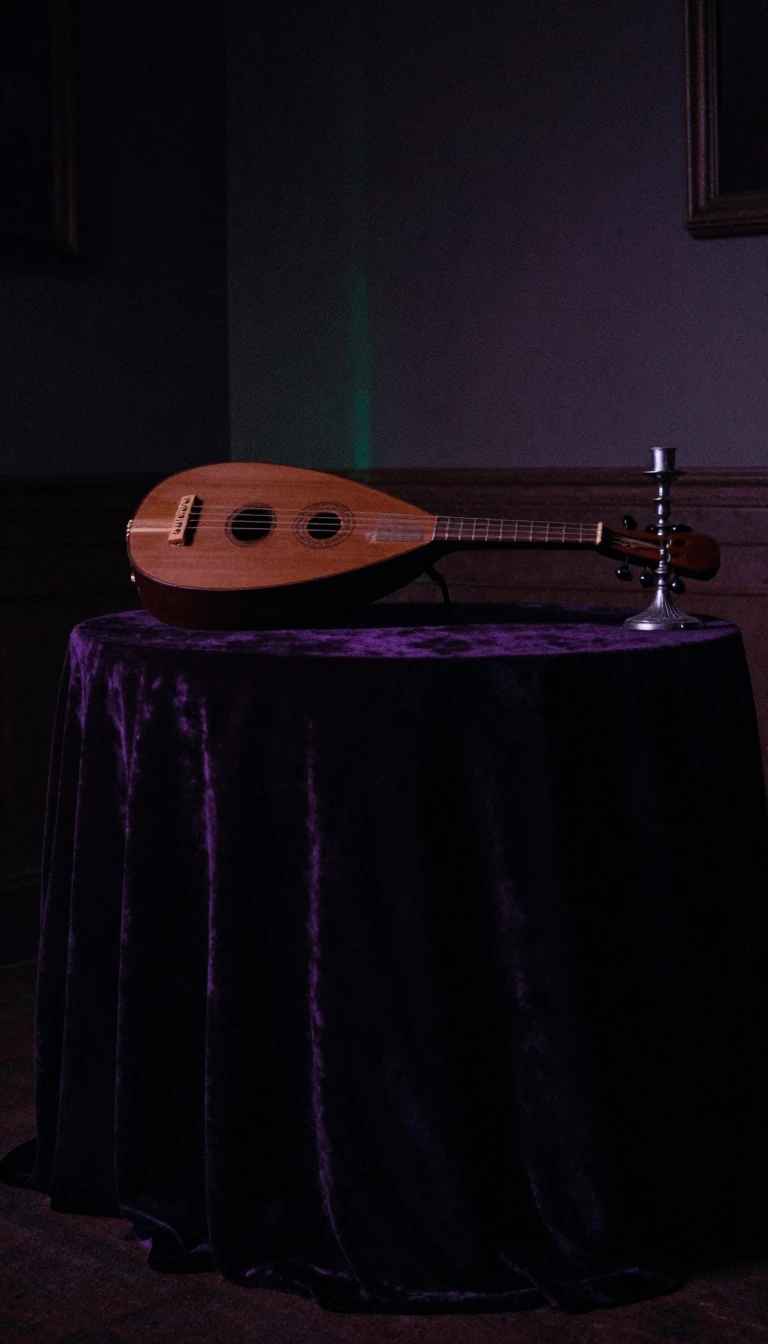
In short: The classical guitar we recognize today is not an ancient relic, but a specific design perfected by Antonio de Torres Jurado in the 19th century. Its thick, fundamental-heavy tone eventually eclipsed the brighter, overtone-rich instruments of the Baroque and early Romantic eras, fundamentally altering how we hear historical music.
The modern classical guitar is defined by its fan-bracing construction, a design that produces a heavy, broad sound by emphasizing the fundamental frequency. This contrasts sharply with the ladder-braced instruments of the past, which offered a transparent, intimate tone rich in higher partials. Instruments like the vihuela, Renaissance guitar, and Baroque guitar—the latter often featuring double-string courses—were built to project a different sound aesthetic entirely. Because of these structural differences, playing Baroque music on a modern Torres-style guitar is often considered a stylistic mismatch, as the modern instrument lacks the specific tonal texture and overtone presence required for authentic interpretation.
The shift toward the modern design was driven by changing musical tastes and the immense influence of 20th-century virtuoso Andrés Segovia. As the demand for a stronger, more powerful fundamental grew, the older, brighter instruments fell out of favor. Segovia, through his global tours and recordings, championed the Spanish Torres model as the definitive, versatile instrument for all repertoires. This created a 'tunnel-vision' in the guitar world, where the modern school became the standard, often at the expense of the historical instruments originally intended for earlier compositions.
Despite this dominance, there is a growing movement of specialist artists dedicated to historical accuracy. These performers use authentic reproductions of period instruments—such as those from the 16th to 19th centuries—to perform repertoire as it was originally conceived. This research-based approach acknowledges that the instrument is as vital to the music as the composition itself. Meanwhile, the modern classical guitar continues to evolve through contemporary 'New Music,' with composers like Elliott Carter and Luciano Berio pushing the instrument's technical limits with avant-garde works that challenge even the most seasoned performers.
Opens the Intellect+ feed with this card first. Swipe up for the next one.
Sources
- Summary by Intellect · source: Classical guitar
To cite this card, link to https://intellectplus.co.uk/app/music-classical-guitar.
How we source, check and correct cards: Editorial standards.
General information, not professional advice. Spotted an error? Flag the card or see corrections and complaints.
Intellect Plus is a visual educational discovery platform for exploring fascinating facts and ideas. Brain Food, Not Brain Rot. What is Intellect Plus?
Related
More in Music · More in Music · Latest · A–Z · All topics
