The quiet, intimate keyboard that paved the way for the modern piano
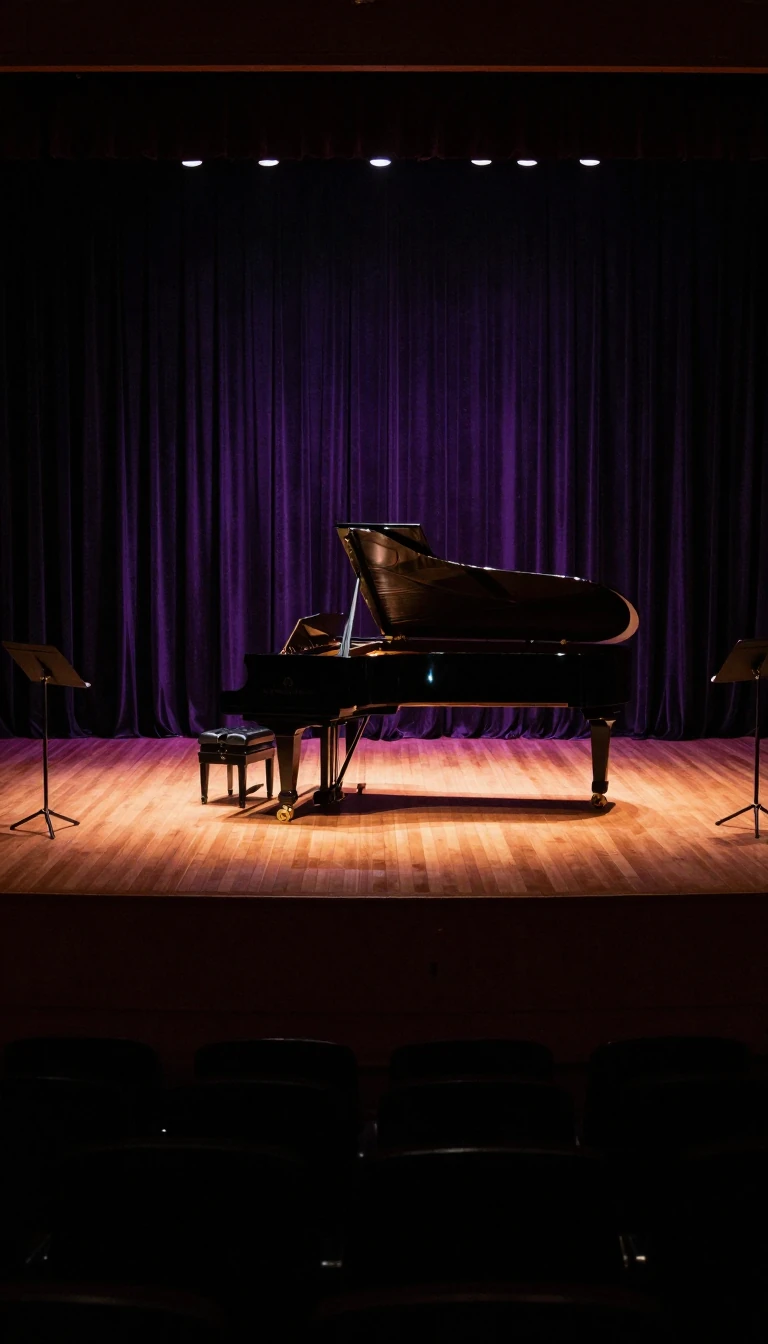
In short: Long before the piano dominated concert halls, the clavichord reigned in the home. This unassuming, rectangular instrument was the primary tool for practice and composition for centuries. Remarkably, it remains the only early keyboard capable of true dynamic expression, allowing players to shape notes through touch alone.
Developed in Europe during the fourteenth century, the clavichord evolved from the medieval monochord. By the time of its first unambiguous mention in the 1404 poem Der Minne Regel, it was already recognized as an ideal instrument for accompaniment. Its design is deceptively simple: a rectangular case housing strings that are struck by small brass blades called tangents. Unlike the harpsichord, which plucks strings, the clavichord’s tangent-striking mechanism is the direct ancestor of the modern piano’s hammer action.
The instrument’s unique character stems from its physical connection between player and string. When a key is pressed, the tangent remains in contact with the string, dividing it to determine pitch while simultaneously causing it to vibrate. This direct link allows for subtle dynamic control—crescendo, diminuendo, and even vibrato, known as bebung—by varying finger pressure. Because the sound is produced by this delicate contact, the clavichord is exceptionally quiet, making it the preferred choice for private practice and intimate home music-making rather than large-scale performance.
Historically, clavichords were categorized by their stringing. Early models were fretted, or gebunden, meaning adjacent keys shared a pair of strings to save space. By the seventeenth century, the unfretted, or bundfrei, design emerged, providing each key with its own independent string to better suit the complex, ornamented styles of the Baroque era. While the instrument fell out of general use by 1850, it saw a significant revival in the late 1890s. Today, it persists not only as a historical curiosity for enthusiasts but also as an inspiration for the Clavinet, an electric version that brought the instrument’s percussive, expressive potential into the world of twentieth-century rock and pop.
Opens the Intellect+ feed with this card first. Swipe up for the next one.
Sources
- Summary by Intellect · source: Clavichord | Baroque, Keyboard, Strings | Britannica
- Also: Clavichord
- Also: Clavichord | King's College London
To cite this card, link to https://intellectplus.co.uk/app/music-clavichord.
How we source, check and correct cards: Editorial standards.
General information, not professional advice. Spotted an error? Flag the card or see corrections and complaints.
Intellect Plus is a visual educational discovery platform for exploring fascinating facts and ideas. Brain Food, Not Brain Rot. What is Intellect Plus?
Related
More in Music · More in Music · Latest · A–Z · All topics
