Was Glam Metal's Shine Built on Borrowed Glitter and Pop Hooks?
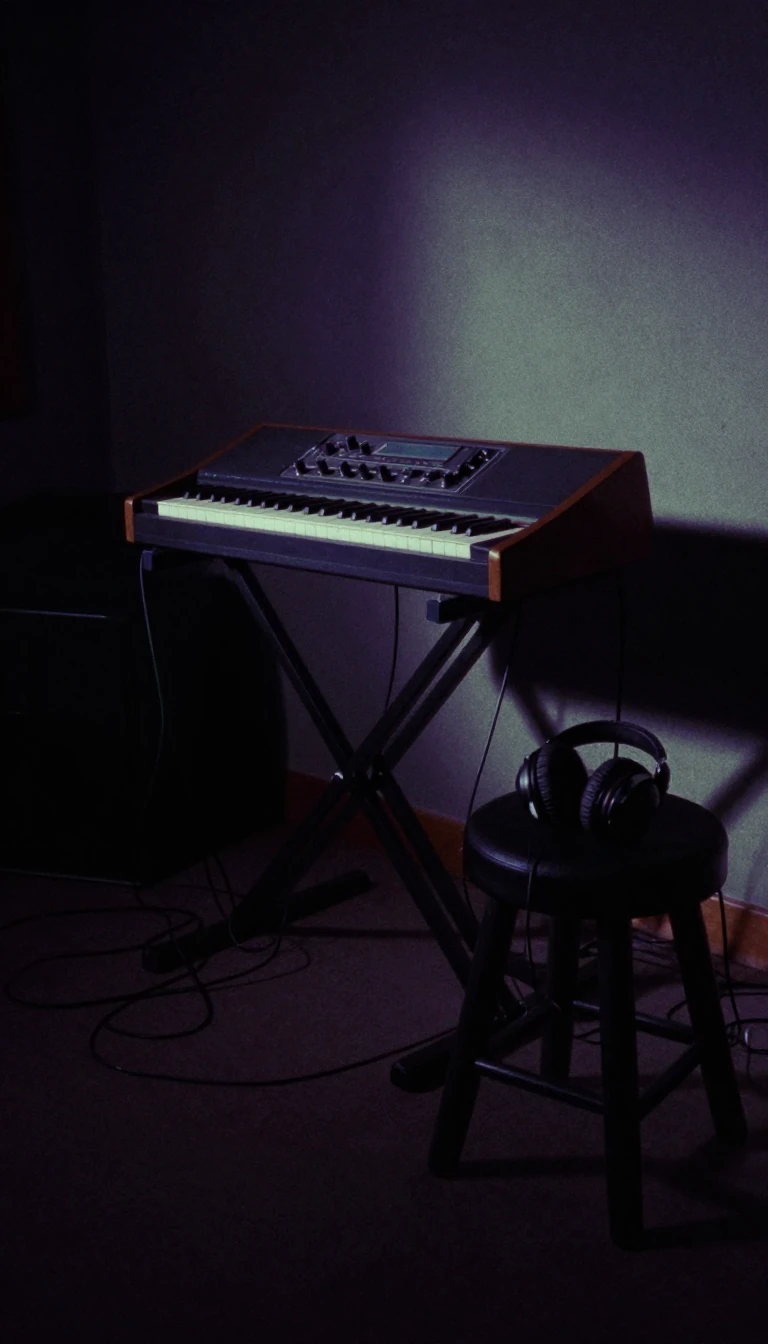
In short: The visual excess of glam metal—spandex, lace, and makeup—was a calculated aesthetic choice. It fused the raw energy of 70s glam rock with the structure of heavy metal, creating anthems that appealed far beyond the traditional hard rock audience.
Glam metal emerged from the confluence of 1970s glam rock, drawing visual cues from acts like David Bowie and T. Rex, and the heavier, theatrical elements of bands such as Alice Cooper and Kiss. This fusion began taking shape in the late 1970s and early 1980s, primarily centered on the Los Angeles Sunset Strip scene. Musically, the genre blended heavy metal foundations with hard rock and punk influences, characterized by catchy, pop-influenced hooks and signature guitar riffs, often featuring shred solos and emotional power ballads. Lyrical themes frequently revolved around love and lust, often addressed to a specific woman.
The visual identity was key; it replaced the standard 'denim & leather' of heavy metal with spandex, lace, and bright colors, creating an androgynous look that appealed to music television producers like MTV. While the genre was associated with debauched lifestyles, its commercial success was undeniable. Def Leppard’s 1983 album *Pyromania* was the first glam metal record to hit the Billboard top ten, peaking at number two on May 14th. Similarly, Quiet Riot’s *Metal Health* reached number one on November 26th, an achievement noted by Frankie Banali as opening the door for others.
The genre's peak commercial period spanned roughly 1982 to 1991. However, its popularity waned significantly in the early-mid 1990s due to the rise of grunge and alternative music, which favored a more natural, stripped-down aesthetic. Despite this decline, the genre has seen revivals, including reunion tours and the emergence of new acts. The industry's nomenclature for these styles is complex; Philip Bashe coined 'pop metal' in 1983, while the term 'hair metal' started appearing in the early 1990s as grunge gained traction.
Key figures and bands like Van Halen, influential since 1978 with its tapping technique, and Def Leppard, whose 1981 album *High 'n' Dry* stayed on the Billboard 200 for 123 weeks, provided crucial groundwork. Furthermore, bands like Ratt, Great White, and Dokken were already active in the late 1970s, suggesting the foundation for this sound was built by several acts preceding the genre's recognized breakthrough period.
Opens the Intellect+ feed with this card first. Swipe up for the next one.
Sources
- Summary by Intellect · source: Glam metal
To cite this card, link to https://intellectplus.co.uk/app/music-glam-metal.
How we source, check and correct cards: Editorial standards.
General information, not professional advice. Spotted an error? Flag the card or see corrections and complaints.
Intellect Plus is a visual educational discovery platform for exploring fascinating facts and ideas. Brain Food, Not Brain Rot. What is Intellect Plus?
Related
More in Music · More in Music · Latest · A–Z · All topics
