The French courtier who successfully forged Vivaldi to boost his own bagpipe career
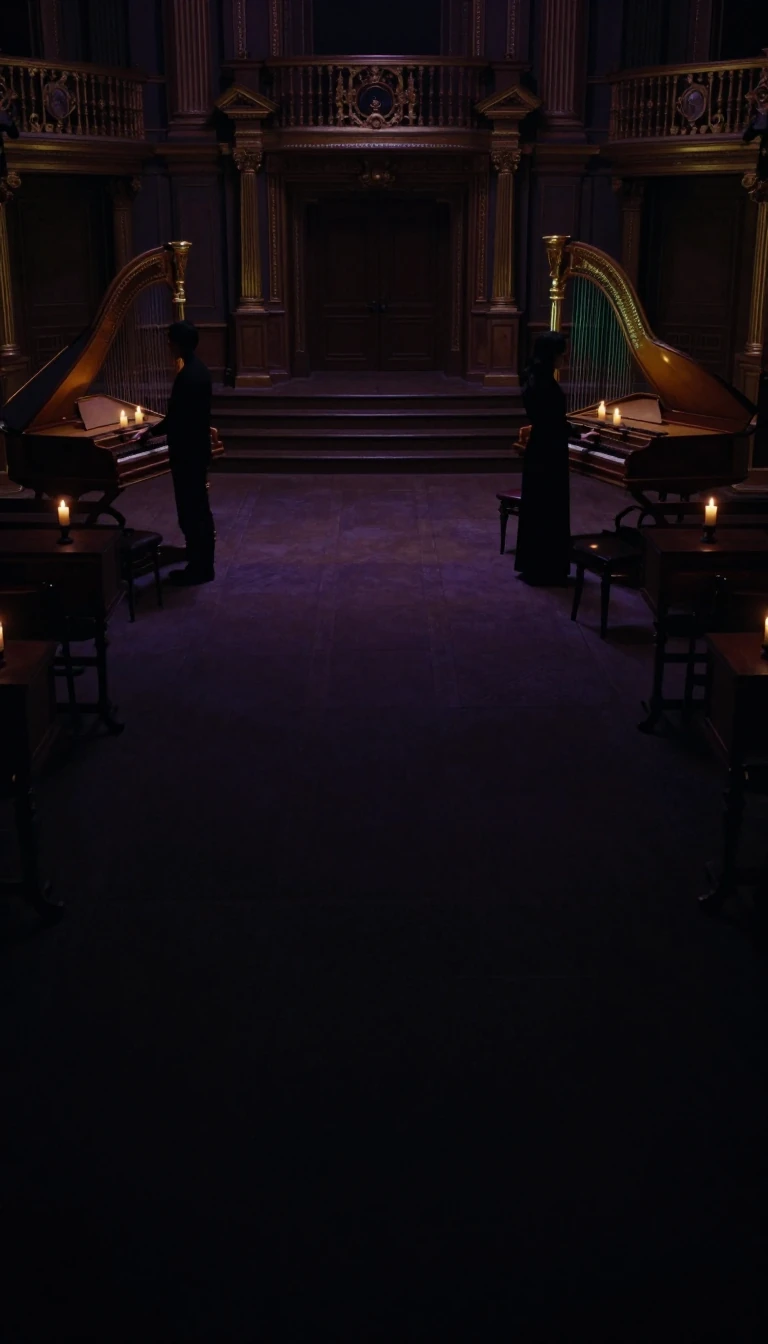
In short: Nicolas Chédeville was the most celebrated musette player in France, yet he felt his instrument lacked prestige. To fix this, he secretly published his own compositions under Antonio Vivaldi's name. This elaborate musical fraud remained undetected by scholars for over two centuries, hiding in plain sight as Vivaldi's op. 13.
Nicolas Chédeville, born in 1705, was a central figure in French baroque music, serving as a virtuoso of the musette—a sophisticated bagpipe-like instrument. Despite his fame and his role in the royal oboe band, Les Grands Hautbois, Chédeville operated in an era where the aristocracy romanticized peasant life. He catered to this by composing pastoral works for wealthy amateurs, yet he clearly desired greater artistic legitimacy for his chosen instrument.
In 1737, Chédeville orchestrated a sophisticated deception. He reached a private agreement with his cousin, Jean-Noël Marchand, to release a collection of his own music titled Il pastor fido, falsely attributing it to Antonio Vivaldi as the composer's op. 13. By attaching the Italian master's name to these sonatas, Chédeville effectively secured the prestige he felt the musette lacked. The truth of this arrangement was only confirmed in 1989 by musicologist Philippe Lescat, who analyzed a 1749 notarial act where Marchand admitted to the scheme.
Chédeville’s fascination with Italian music went beyond forgery. In 1739, he obtained a privilege to adapt works by various Italian composers for the musette and hurdy-gurdy. His most creative effort was Le printems, a radical reimagining of Vivaldi’s The Four Seasons. He did not merely transcribe the concertos; he replaced entire movements and integrated his own original material into the score. While he enjoyed significant success as a teacher to the aristocracy, including Princess Victoire, his later years were marked by financial ruin, leading to the loss of his property and a difficult bankruptcy before his death in 1782.
Opens the Intellect+ feed with this card first. Swipe up for the next one.
Sources
- Summary by Intellect · source: Nicolas Chédeville
To cite this card, link to https://intellectplus.co.uk/app/music-nicolas-ch-deville.
How we source, check and correct cards: Editorial standards.
General information, not professional advice. Spotted an error? Flag the card or see corrections and complaints.
Intellect Plus is a visual educational discovery platform for exploring fascinating facts and ideas. Brain Food, Not Brain Rot. What is Intellect Plus?
Related
More in Musicians and composers · More in Music · Latest · A–Z · All topics
