From Underground Cassettes to Global Streaming: How the Mixtape Redefined Modern Music
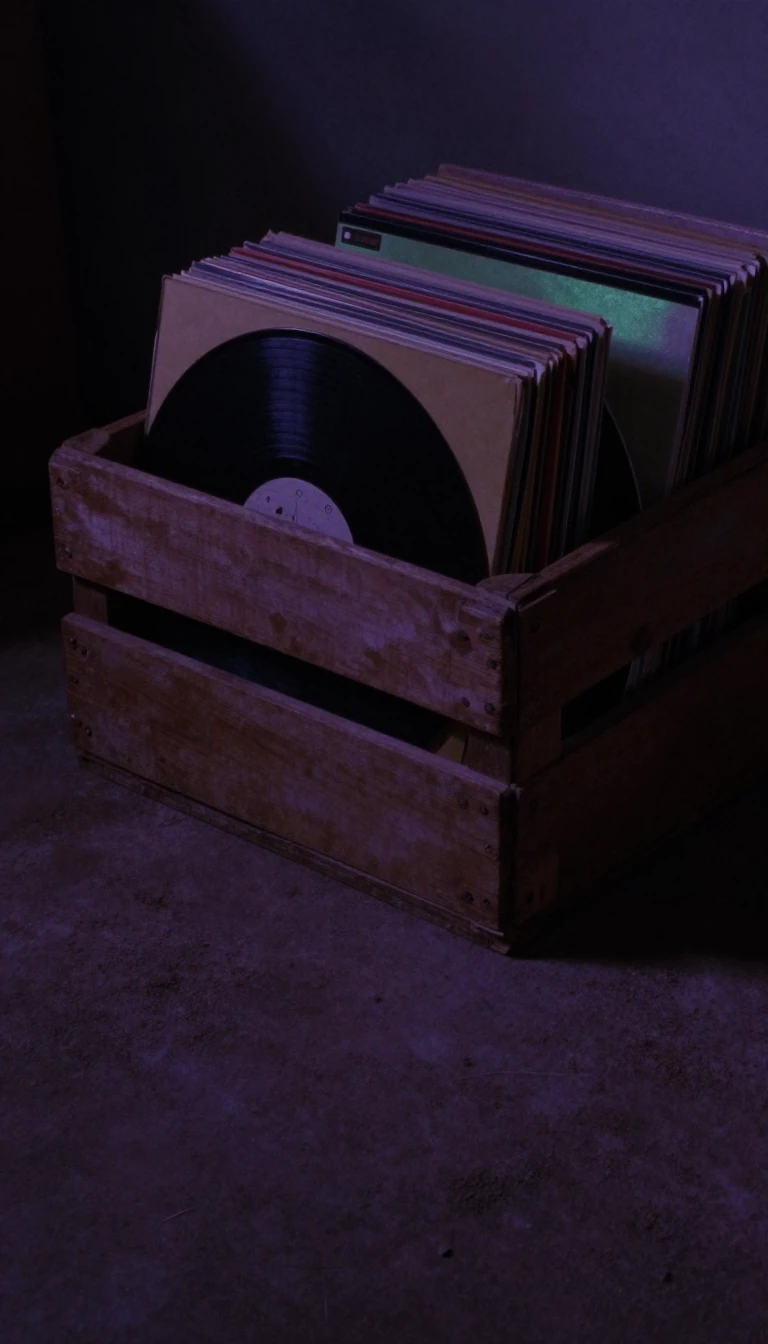
In short: Once a physical artifact of hip-hop culture and fan-traded live recordings, the mixtape has evolved into a strategic tool for artists. By bypassing traditional industry constraints, it allows for creative experimentation and direct fan engagement, effectively blurring the lines between raw, informal demos and polished, commercial studio albums.
The mixtape originated in the 1970s alongside the birth of hip-hop, when DJs like Grandmaster Flash and Afrika Bambaataa distributed recordings of club performances on cassette tapes. These early tapes were essential for spreading the sound of the genre. Simultaneously, the Dead Relics Tape Exchange, founded by Les Kippel in Brooklyn, formalized the non-commercial trade of live Grateful Dead recordings, establishing a 'taper' ethos that prioritized preservation over profit. This culture eventually migrated to digital formats, culminating in the 2002 creation of the Live Music Archive.
By the 1990s and 2000s, the mixtape had become a vital mechanism for hip-hop artists to build reputations before signing with major labels. Artists like 50 Cent leveraged mixtapes to gain traction, eventually leading to critically acclaimed studio releases. During this period, the 'warez' scene—groups like RNS and CMS—began leaking mixtapes online, though this practice declined by the late 2000s due to law enforcement actions and the rise of legitimate streaming platforms like DatPiff, Spotify, and Apple Music.
Today, the distinction between an album and a mixtape is increasingly fluid. While studio albums typically involve professional media campaigns and rigid release schedules, mixtapes are often characterized by spontaneous, unorthodox marketing and a lack of industry-standard pressure. They serve as essential outlets for personal expression, allowing artists to experiment with diverse sounds or release 'holdover' projects between major albums, such as Travis Scott’s 'Days Before Rodeo' or Kehlani’s 'While We Wait'.
Despite their modern ubiquity, some mixtapes face hurdles, such as sample clearance issues that prevent them from appearing on streaming services, as seen with Frank Ocean’s 'Nostalgia, Ultra'. However, others like Chance the Rapper’s 'Acid Rap' have successfully navigated these challenges. Ultimately, the mixtape remains a powerful, flexible medium that allows artists to define their own identity outside the rigid expectations of the traditional music industry.
Opens the Intellect+ feed with this card first. Swipe up for the next one.
Sources
- Summary by Intellect · source: Mixtape
To cite this card, link to https://intellectplus.co.uk/app/music-mixtape.
How we source, check and correct cards: Editorial standards.
General information, not professional advice. Spotted an error? Flag the card or see corrections and complaints.
Intellect Plus is a visual educational discovery platform for exploring fascinating facts and ideas. Brain Food, Not Brain Rot. What is Intellect Plus?
Related
More in Music · More in Music · Latest · A–Z · All topics
