Beethoven’s Missa solemnis: A monumental struggle between sacred tradition and modern musical innovation
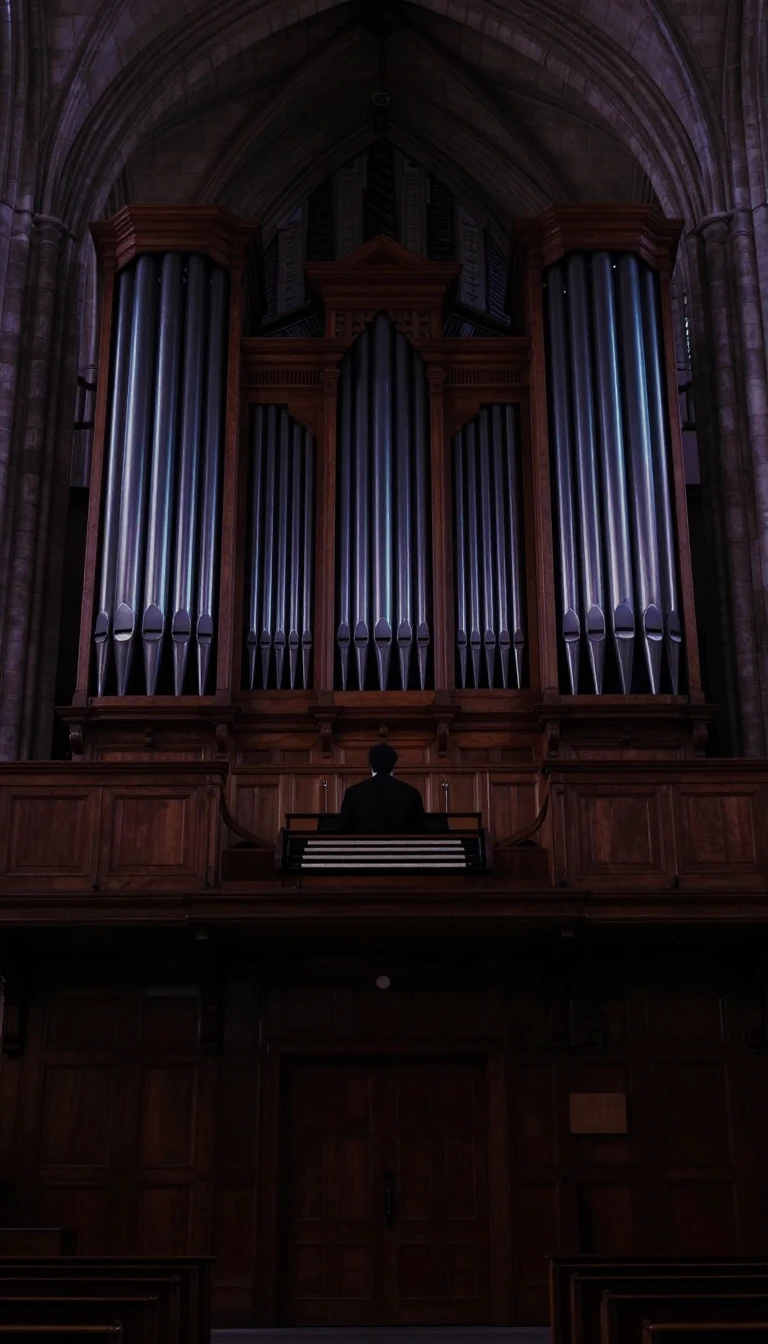
In short: Composed between 1819 and 1823, Beethoven’s Missa solemnis is a massive, demanding work that defies easy categorization. While intended as a sacred mass, its technical complexity and relentless intensity push the boundaries of liturgical music, leaving critics and performers grappling with its unique, almost encyclopedic approach to musical narrative.
Beethoven spent four years crafting the Missa solemnis, a period marked by intense study of historical sacred music. He immersed himself in monophonic plainchant and the works of Renaissance and Baroque masters like Palestrina, Handel, and J.S. Bach. By 1820, he was actively consulting influential treatises like Glareanus’ Dodekachordon to master church modes. This deep engagement with the past was not merely imitative; scholars like Maynard Solomon argue that these archaic elements served as modernistic devices, allowing Beethoven to expand the expressive limits of liturgical music far beyond the expectations of his contemporaries.
The work is notoriously difficult, reflecting Beethoven’s disregard for the physical limitations of his performers. It features sudden, jarring shifts in dynamics, tempo, and meter, alongside virtuosic demands for vocal soloists, a large chorus, and a full orchestra. The Credo, for instance, contains a double fugue on 'Et vitam venturi saeculi' that is widely considered one of the most taxing passages in the entire choral repertoire, requiring the subject to return at double speed. Such technical hurdles, combined with the need for a massive ensemble, ensure that the piece remains a rare challenge for even the most professional performers.
Critics have long noted the work's atypical structure. Unlike his other late-period compositions, the Missa solemnis lacks sustained thematic development and the use of theme and variations. Instead, it unfolds as a continuous, almost relentless narrative. Theodor W. Adorno famously remarked on its peculiar nature, noting that while it echoes the contrapuntal techniques of Franco-Flemish masters like Josquin des Prez, the work remains a singular, disorienting experience. Whether viewed through the lens of historical tradition or as a radical departure from classical norms, the Missa solemnis remains a testament to Beethoven’s singular vision, which he himself described in 1822 as his greatest work.
Opens the Intellect+ feed with this card first. Swipe up for the next one.
Sources
- Summary by Intellect · source: Missa solemnis (Beethoven)
To cite this card, link to https://intellectplus.co.uk/app/music-missa-solemnis-beethoven.
How we source, check and correct cards: Editorial standards.
General information, not professional advice. Spotted an error? Flag the card or see corrections and complaints.
Intellect Plus is a visual educational discovery platform for exploring fascinating facts and ideas. Brain Food, Not Brain Rot. What is Intellect Plus?
Related
More in Music · More in Music · Latest · A–Z · All topics
