Ethiopian music is defined by a unique pentatonic modal system known as qenet.
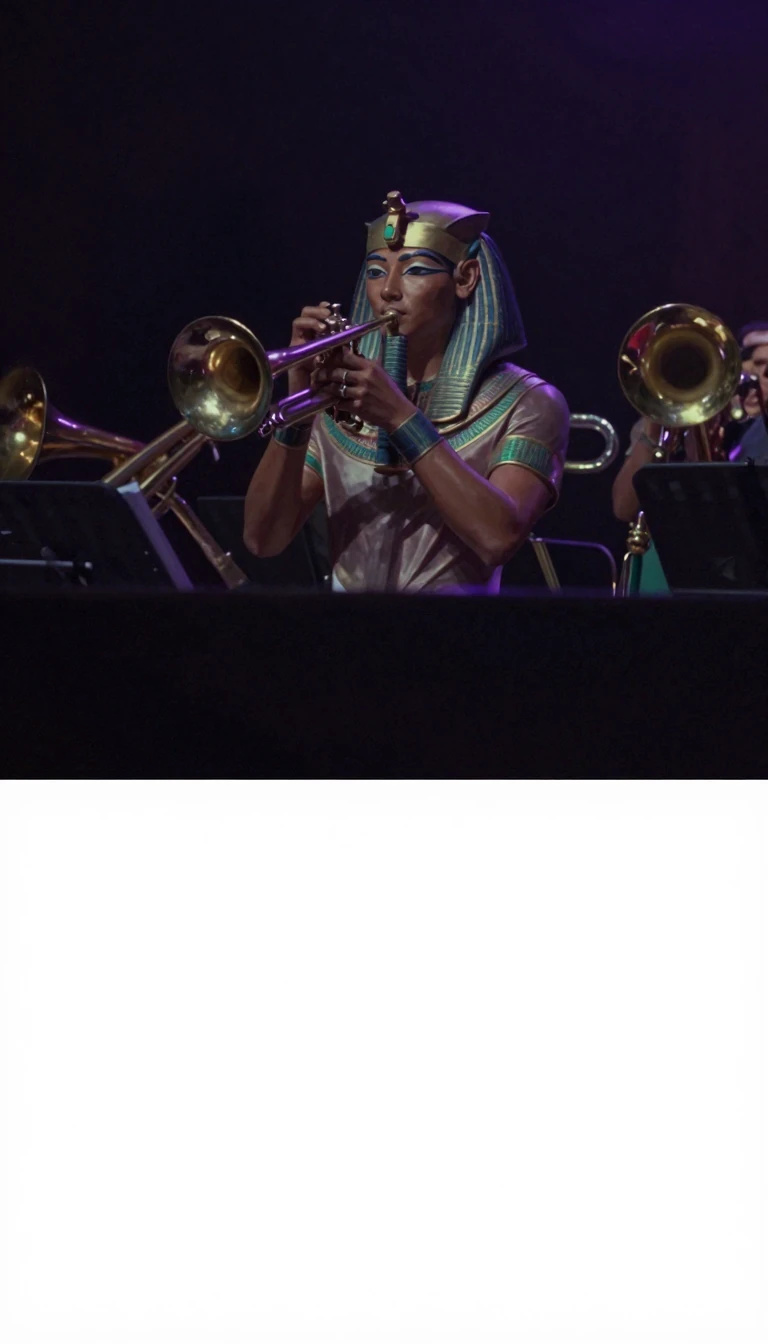
In short: Beyond its diverse ethnic traditions, Ethiopian music is anchored by the qenet system, a set of four primary modes that create distinctive, non-tempered intervals. From the ancient liturgical chants of the Orthodox Church to the modern rise of Ethio-jazz and electronic dance music, this sound remains a profound cultural pillar.
At the heart of the Ethiopian Highlands lies the qenet, a fundamental modal system consisting of four primary modes: tezeta, bati, ambassel, and anchihoy, alongside three variations. These modes are pentatonic, characterized by long intervals between notes. When performed on traditional instruments, these pitches often deviate from Western-tempered tuning, though they are adapted to standard systems when played on instruments like pianos or guitars. This modal foundation is deeply tied to the country's rich oral-literary history, where itinerant musicians known as azmaris have long been respected figures.
The instrumentation of Ethiopia is as varied as its more than 75 ethnic groups. Highland traditions feature string instruments like the masenqo, a one-string bowed lute, and the krar, a six-string lyre. Percussion is essential, particularly the kebero drum used in both Orthodox liturgy and secular celebrations. In the south, musical expression takes different forms, including polyphonic singing among the Dorze and Majangir, and the use of unique instruments like the bamboo washint flute or the ceremonial malakat trumpet. These sounds often accompany intricate, region-specific dances, such as the shoulder-rolling Eskista of the Amhara people or the acrobatic movements of the Gurage.
The 20th century saw significant evolution, notably with the 1924 arrival of forty Armenian orphans who formed Ethiopia's first official orchestra. By the 1960s and 70s, a golden era of popular music emerged, featuring icons like Mulatu Astatke, the innovator of Ethio-jazz, and vocalists like Tilahun Gessesse. During the restrictive Derg era of the 1980s, artists like Neway Debebe utilized 'wax and gold'—a poetic double entendre—to critique the government. Today, the landscape is shifting again; digital platforms and artists like Rophnan are blending traditional sounds with electronic dance music, ensuring that while the tools of production change, the soul of the music remains a vital reflection of Ethiopian identity.
Opens the Intellect+ feed with this card first. Swipe up for the next one.
Sources
- Summary by Intellect · source: Music of Ethiopia
To cite this card, link to https://intellectplus.co.uk/app/music-music-of-ethiopia.
How we source, check and correct cards: Editorial standards.
General information, not professional advice. Spotted an error? Flag the card or see corrections and complaints.
Intellect Plus is a visual educational discovery platform for exploring fascinating facts and ideas. Brain Food, Not Brain Rot. What is Intellect Plus?
Related
More in Music · More in Music · Latest · A–Z · All topics
