How a cellist from royal lineage revolutionized the way we hear Baroque music
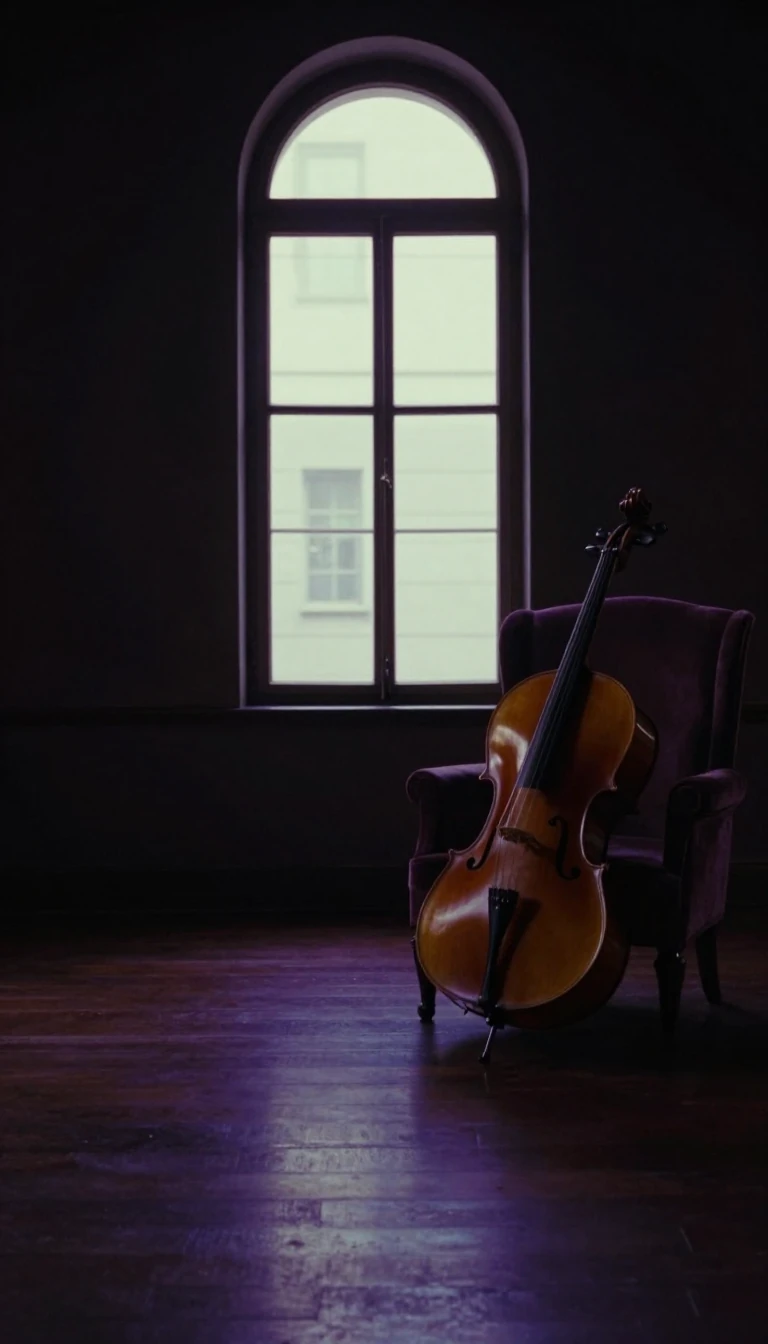
In short: Nikolaus Harnoncourt was a pioneer of historically informed performance, transforming classical music by stripping away modern conventions. From founding the period-instrument ensemble Concentus Musicus Wien to conducting the world's most prestigious orchestras, he reshaped our understanding of Bach, Beethoven, and Mozart through a relentless pursuit of authentic sound and aesthetic clarity.
Born in Berlin in 1929 to an Austrian father and a mother with deep royal roots, Nikolaus Harnoncourt spent his youth in Graz, Austria. His early life was marked by the turbulence of the era, including a forced stint in the Hitler Youth. After studying cello in Vienna, he spent nearly two decades as a cellist with the Vienna Symphony, but his true calling lay in the radical re-examination of early music.
In 1953, alongside his wife Alice Hoffelner, he founded Concentus Musicus Wien. This ensemble became the bedrock of his career, dedicated to performing Baroque repertoire on period instruments. Harnoncourt’s approach was transformative; he moved beyond the standard interpretations of the time, focusing on historical authenticity in dynamics and tempi. His collaboration with Gustav Leonhardt to record the complete cycle of J.S. Bach’s cantatas between 1971 and 1990 remains a landmark achievement, notable for its use of an all-male choir and soloist roster.
Harnoncourt’s influence eventually transcended the early music movement. By the 1970s, he was conducting major international opera productions and symphony orchestras, including the Vienna Philharmonic and the Royal Concertgebouw Orchestra. Whether tackling Mozart operas at the Vienna State Opera or recording Bruckner and Gershwin, he brought a scholarly yet vibrant intensity to the podium. Even when working with modern instruments, he insisted on applying the principles of historical performance, forever changing the expectations of both musicians and audiences.
Retiring in 2015, Harnoncourt left behind a vast legacy of recordings and writings on musical aesthetics. His work earned him numerous accolades, including the Kyoto Prize and multiple Gramophone awards. He passed away in 2016, leaving a profound mark on the classical canon that continues to define how we listen to the masters today.
Opens the Intellect+ feed with this card first. Swipe up for the next one.
Sources
- Summary by Intellect · source: Nikolaus Harnoncourt
To cite this card, link to https://intellectplus.co.uk/app/music-nikolaus-harnoncourt.
How we source, check and correct cards: Editorial standards.
General information, not professional advice. Spotted an error? Flag the card or see corrections and complaints.
Intellect Plus is a visual educational discovery platform for exploring fascinating facts and ideas. Brain Food, Not Brain Rot. What is Intellect Plus?
Related
More in Musicians and composers · More in Music · Latest · A–Z · All topics
