The nocturne began as a party favor and evolved into a musical night vision.
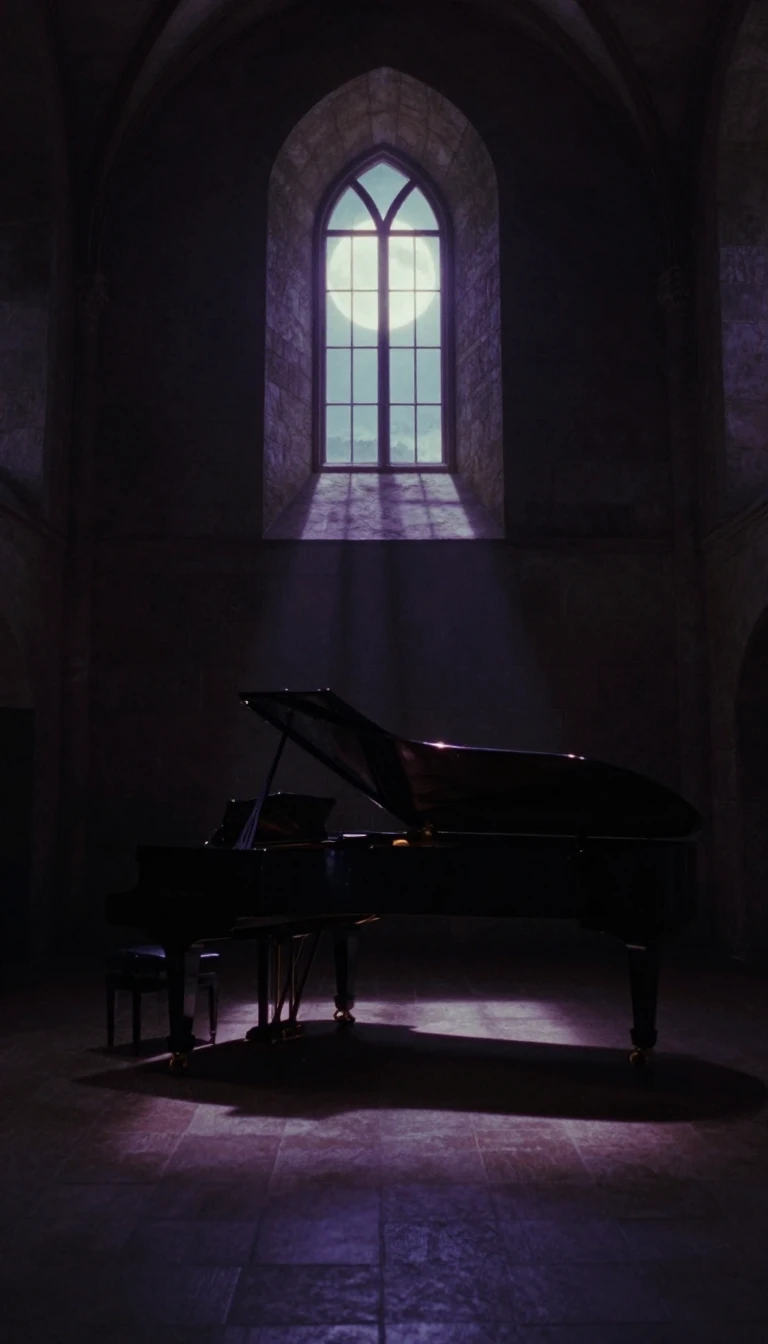
In short: Originally a functional piece for 18th-century evening gatherings, the nocturne transformed into a deeply personal, solo piano character piece. While we often associate the genre with tranquil, lyrical melodies, its history reveals a surprising range of moods, from eerie nature imitations to lively, energetic orchestral celebrations of the night.
In the 18th century, the term nocturne—or notturno—did not necessarily imply a mood evocative of the night. Instead, it functioned as a practical label for ensemble music intended for evening social events. The distinction between a serenade and a notturno was largely temporal: the former was typically performed around 9:00 pm, while the latter was reserved for the later hour of 11:00 pm. Composers like Wolfgang Amadeus Mozart utilized the form for specific social settings, such as his Notturno in D, K.286, which featured separated ensembles of horns and strings to create echoing effects.
The genre underwent a significant shift in the 19th century, evolving into a single-movement character piece primarily for solo piano. The Irish composer John Field is credited with originating this Romantic form, which typically pairs a singing, cantabile melody with a guitar-like, arpeggiated accompaniment. Frédéric Chopin later became the most famous exponent of the style, composing 21 nocturnes that solidified the genre's reputation for expressive, lyrical, and sometimes melancholic qualities. This era established the nocturne as a vehicle for intimate, introspective musical storytelling.
By the 20th century, the nocturne had expanded well beyond its piano roots, encompassing diverse instrumentation and moods. Composers like Béla Bartók pushed the boundaries of the form in his 1926 work 'The Night's Music,' which used cluster-chords and bird-like sounds to mimic the natural world. Others, such as Claude Debussy, demonstrated that the genre could be lively rather than just tranquil, as seen in his orchestral 'Fêtes.' From Benjamin Britten’s 1958 work for tenor and strings to Donald Martino’s 1973 Pulitzer Prize-winning 'Notturno' for six instrumentalists, the nocturne remains a flexible, enduring framework for composers to explore the multifaceted character of the night.
While the nocturne is often perceived as inherently gloomy or calm, the historical record proves otherwise. Works like Szymanowski’s 1915 'Nocturne and Tarantella' and Sorabji’s 1977–78 'Symphonic Nocturne' showcase the genre's capacity for high energy and complexity. This evolution from a functional social accessory to a profound artistic medium highlights the nocturne's unique ability to adapt to the changing creative priorities of composers across three centuries.
Opens the Intellect+ feed with this card first. Swipe up for the next one.
Sources
- Summary by Intellect · source: Nocturne
To cite this card, link to https://intellectplus.co.uk/app/music-nocturne.
How we source, check and correct cards: Editorial standards.
General information, not professional advice. Spotted an error? Flag the card or see corrections and complaints.
Intellect Plus is a visual educational discovery platform for exploring fascinating facts and ideas. Brain Food, Not Brain Rot. What is Intellect Plus?
Related
More in Music · More in Music · Latest · A–Z · All topics
