Why Chopin’s most famous funeral march was once considered a structural failure
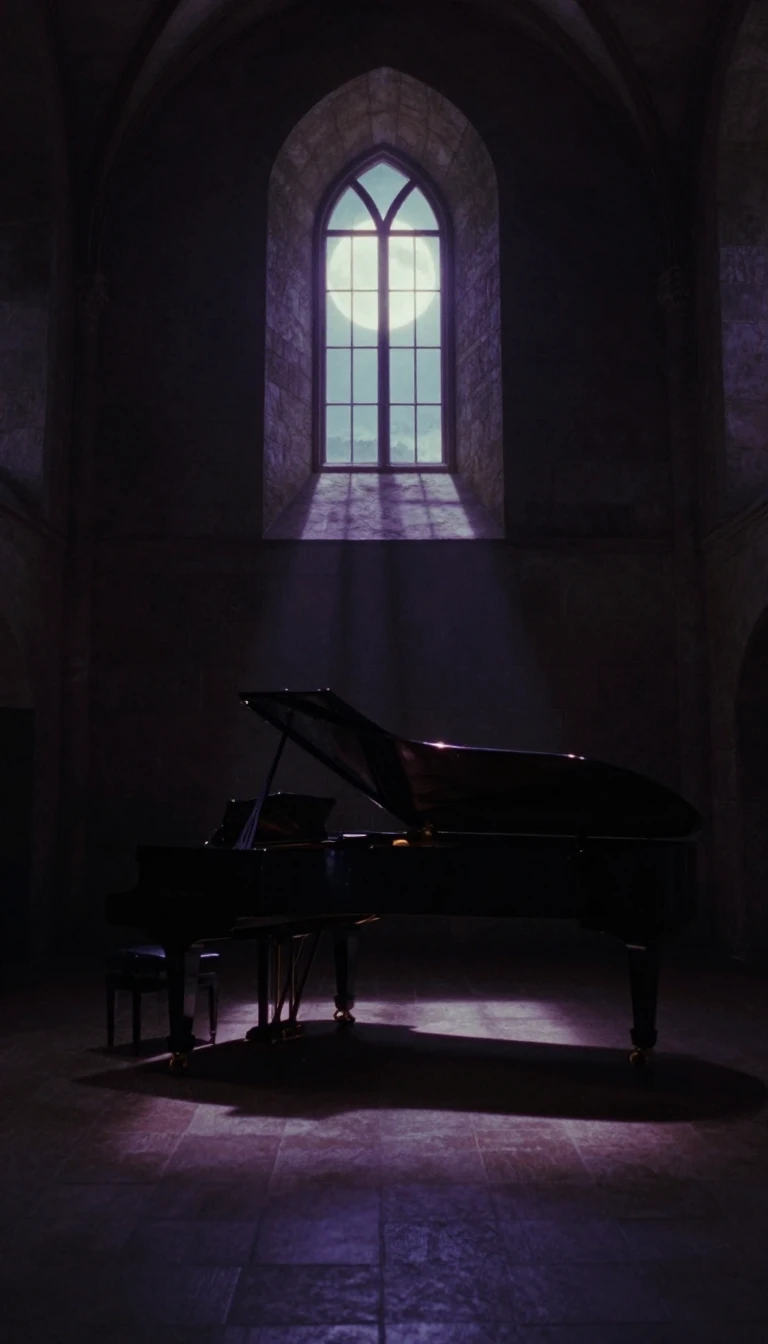
In short: Frédéric Chopin’s second piano sonata is a masterpiece today, but it baffled 19th-century critics. They dismissed the work as a disjointed collection of four disparate movements, famously calling them the composer's maddest children. Yet, this unconventional structure hides a profound, unified vision that continues to shape modern musical performance.
Completed in 1839 while staying at George Sand’s manor in Nohant, the sonata was born from an unusual creative process. Its centerpiece, the iconic third movement, was composed at least two years before the rest of the work. This funeral march, or Marche funèbre, eventually became a global archetype for mourning, played at the state funerals of figures ranging from John F. Kennedy and Winston Churchill to Queen Elizabeth II.
The sonata’s reception was initially marred by skepticism. Critics like Robert Schumann argued that Chopin struggled with the traditional sonata form, labeling the work structurally inferior. This doubt persisted for decades, with many early reviewers claiming the movements lacked a common life. However, modern scholarship has largely moved past these critiques, recognizing the work as one of the greatest piano sonatas in the literature. The finale, an enigmatic perpetuum mobile, is particularly noted for its forward-looking, almost atonal quality that anticipates 20th-century music.
Debates continue regarding the performance of the score, specifically the repetition of the first movement's exposition. While some editions and pianists, such as Martha Argerich and Vladimir Ashkenazy, exclude the opening Grave section from the repeat, others like Mitsuko Uchida include it. These choices reflect a broader tension in interpreting Chopin’s intentions, as the composer left behind few definitive instructions. Despite the historical controversy, the sonata remains a staple of concert halls and international competitions, standing as a testament to Chopin’s unique, if misunderstood, genius.
Opens the Intellect+ feed with this card first. Swipe up for the next one.
Sources
- Summary by Intellect · source: Piano Sonata No. 2 (Chopin)
To cite this card, link to https://intellectplus.co.uk/app/music-piano-sonata-no-2-chopin.
How we source, check and correct cards: Editorial standards.
General information, not professional advice. Spotted an error? Flag the card or see corrections and complaints.
Intellect Plus is a visual educational discovery platform for exploring fascinating facts and ideas. Brain Food, Not Brain Rot. What is Intellect Plus?
Related
More in Music · More in Music · Latest · A–Z · All topics
