How the sampler transformed recorded audio into a versatile, playable musical instrument
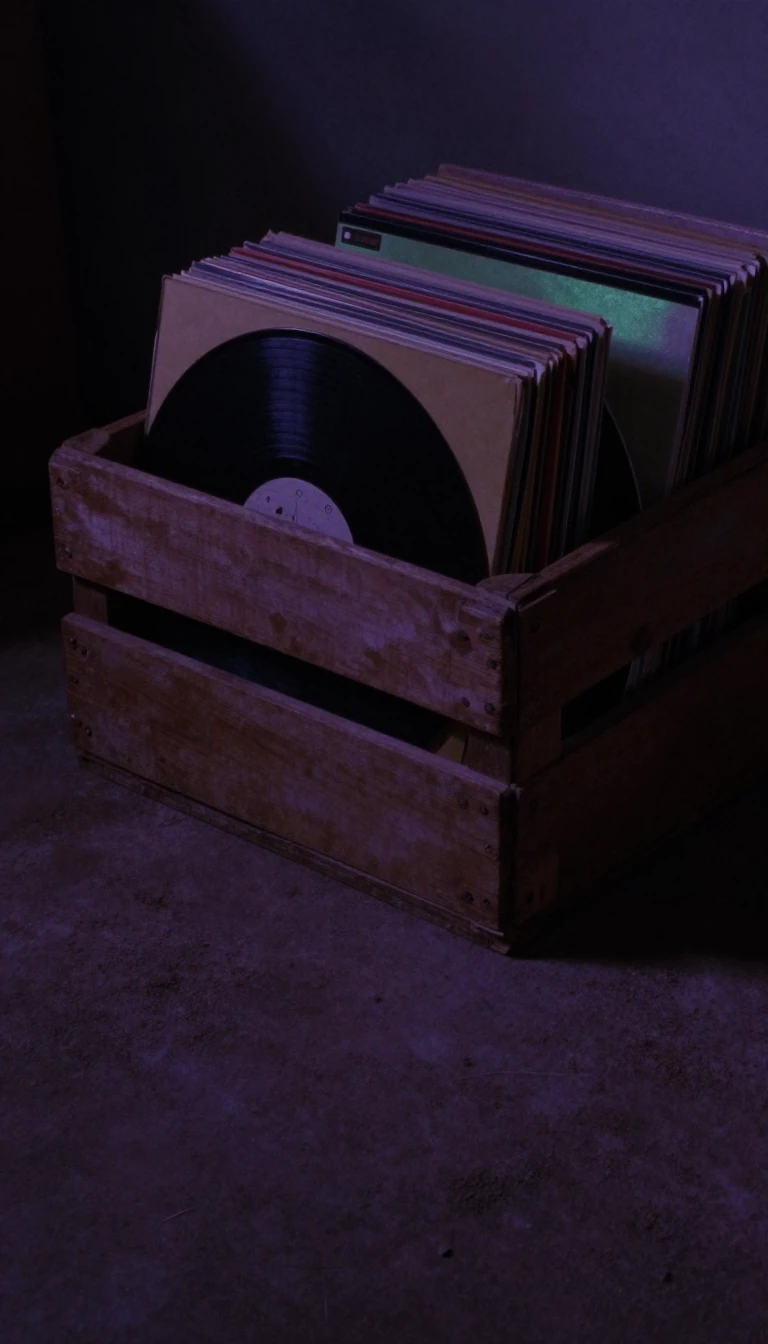
In short: A sampler does not just play back recordings; it turns any sound—from a barking dog to a clacking typewriter—into a playable musical instrument. By mapping audio to a keyboard, musicians can pitch-shift, loop, and layer these sounds, fundamentally altering how we produce, perform, and experience music in the modern era.
Before digital memory became affordable, musicians relied on cumbersome tape replay keyboards like the Mellotron, which used analog tape mechanisms to produce sound. These systems were heavy, expensive, and limited in range. The transition to digital sampling began in the late 1960s at the London Putney Studio, where the EMS Musys system utilized PDP-8 mini-computers to record and process audio. By the late 1970s, commercial pioneers like the Fairlight CMI and the Computer Music Melodian brought polyphonic digital sampling to the market, though their high costs restricted them to professional studios.
The mechanism of a sampler relies on a hierarchy of data structures. At the base are individual samples, which can be edited, looped, or pitch-shifted. These are organized into keymaps—groups of samples assigned to specific notes on a controller. By assigning different samples to different keyzones, a musician can play back complex sounds across a keyboard. Advanced samplers allow for further manipulation through filters, envelope generators, and low-frequency oscillators, enabling the creation of realistic instrument imitations or entirely new, synthetic textures.
The 1980s marked a turning point as memory costs dropped and dedicated hardware like the E-mu Emulator and the Akai MPC60 emerged. The MPC60, in particular, became a cornerstone of hip-hop production. While early systems struggled with limited RAM—often forcing engineers to use clever looping or sample rate reduction to save space—modern workstations now handle massive sample libraries with ease. Today, the sampler remains a vital tool, bridging the gap between traditional Foley sound effects and high-fidelity musical performance.
Opens the Intellect+ feed with this card first. Swipe up for the next one.
Sources
- Summary by Intellect · source: Sampler (musical instrument)
To cite this card, link to https://intellectplus.co.uk/app/music-sampler-musical-instrument.
How we source, check and correct cards: Editorial standards.
General information, not professional advice. Spotted an error? Flag the card or see corrections and complaints.
Intellect Plus is a visual educational discovery platform for exploring fascinating facts and ideas. Brain Food, Not Brain Rot. What is Intellect Plus?
Related
More in Music · More in Music · Latest · A–Z · All topics
