Prince's Sign o' the Times was a masterpiece born from three aborted album projects.
In short: After disbanding The Revolution, Prince faced pressure to replicate the massive success of Purple Rain. Instead, he channeled his creative restlessness into a sprawling double album that defied genre. By blending avant-pop, funk, and soul, he created what many critics consider the definitive artistic statement of his career.
Released on March 31, 1987, Sign o' the Times emerged from a period of intense, rapid-fire recording. Prince had initially envisioned a triple album titled Crystal Ball, which consolidated material from his abandoned projects Dream Factory and Camille. When Warner Bros. executives insisted on a shorter release, Prince trimmed the collection into the double album that would eventually become his most critically lauded work.
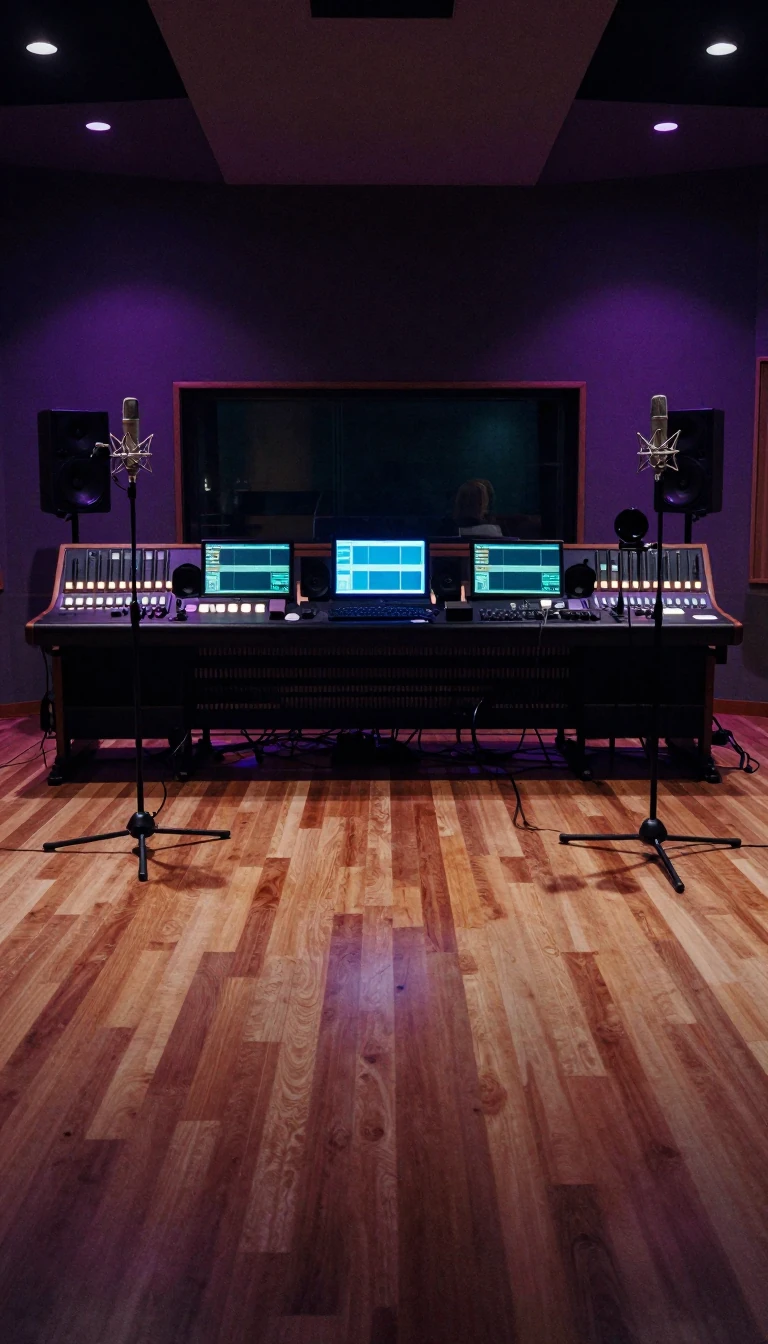
The album showcased Prince's unique production methods, including his preference for recording vocals alone in the control room. He relied heavily on the Linn LM-1 drum machine and the Fairlight CMI synthesizer to craft a sound that felt both futuristic and deeply personal. Tracks like the title song addressed the crack cocaine epidemic and gang violence, while others explored the intersection of carnality and spirituality. His alter ego, Camille, appeared on several tracks, utilizing pitch-shifted vocals to create a distinct, androgynous persona.
While it did not match the commercial dominance of Purple Rain, the album's legacy grew steadily over the decades. It was honored with a Grammy Hall of Fame induction in 2017 and frequently appears on lists of the greatest albums ever recorded. Critics often highlight the record as a perfect balance of Prince's many musical identities, from the tender balladeer to the experimental bandleader. Its enduring vibrancy serves as a testament to an artist operating at the absolute summit of his creative powers.
The 2020 Super Deluxe reissue provided a deeper look into this era, featuring 45 previously unreleased tracks and live concert recordings. This massive collection underscored the sheer volume of material Prince produced during this time, reinforcing the view that Sign o' the Times was not merely a collection of songs, but a cohesive, expansive exploration of the political and social landscape of the 1980s.
Opens the Intellect+ feed with this card first. Swipe up for the next one.
Sources
- Summary by Intellect · source: Sign o' the Times
To cite this card, link to https://intellectplus.co.uk/app/music-sign-o-the-times.
How we source, check and correct cards: Editorial standards.
General information, not professional advice. Spotted an error? Flag the card or see corrections and complaints.
Intellect Plus is a visual educational discovery platform for exploring fascinating facts and ideas. Brain Food, Not Brain Rot. What is Intellect Plus?
Related
More in Music · More in Music · Latest · A–Z · All topics
