The Monkees were a manufactured pop sensation that defied their own synthetic origins
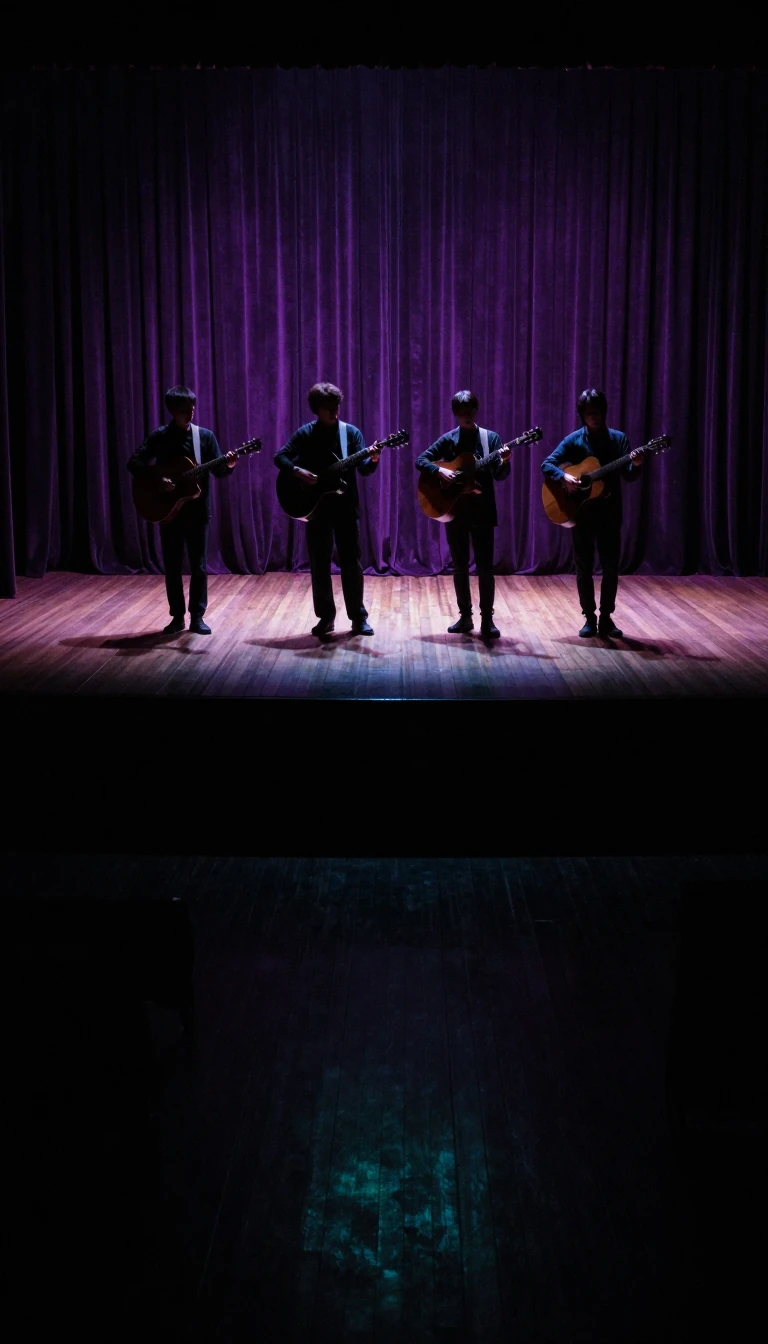
In short: Created as a television answer to the Beatles, the Monkees were initially a group of actors rather than a band. Yet, despite being assembled from auditions and backed by anonymous studio musicians, they produced some of the most enduring pop music of the 1960s, eventually demanding and winning creative control.
In the mid-1960s, television producers Bob Rafelson and Bert Schneider sought to replicate the success of the Beatles by creating a scripted sitcom about a band. They auditioned over 400 applicants to fill the roles of four 'insane boys' who could act and sing. The final lineup included Micky Dolenz, a former child actor from the series Circus Boy; Davy Jones, a Tony-nominated performer who had appeared in Oliver!; Mike Nesmith, a folk rocker; and Peter Tork, a multi-instrumentalist from the Greenwich Village folk scene. The group was designed to be a frolicsome, ersatz version of the Fab Four, with the name chosen as a deliberate misspelling to mirror the animal-themed naming conventions of their British counterparts.
For their early recordings, the quartet did not play their own instruments; instead, professional session musicians provided the backing tracks while the cast focused on vocals. This arrangement fueled a public perception that the Monkees were not a 'real' band, a narrative that challenged the era's folk-derived standards of musical authenticity. However, the group’s output was undeniably successful, featuring high-quality tracks written by elite songwriters such as Gerry Goffin, Carole King, and Neil Diamond. The Dolenz-sung hit 'I’m a Believer' remains a standout example of their commercial and artistic peak, proving that even a synthetic premise could yield tunefully rambunctious pop.
Driven by a desire for respectability, the members eventually pushed for autonomy. By their third album, 1967’s Headquarters, they successfully gained the right to play their own instruments and exert creative control over their music. While the group eventually fractured as members pursued individual interests, they left behind a legacy of pop hits that transcended their television origins. In later decades, the surviving members periodically reunited for tours and new recordings, including the well-received 2016 album Good Times!, proving that the Monkees' appeal endured long after the cameras stopped rolling on their original 1966–1968 series.
Opens the Intellect+ feed with this card first. Swipe up for the next one.
Sources
- Summary by Intellect · source: The Monkees | Members, TV Show, Songs, Albums, & Facts | Britannica
- Also: The Monkees
To cite this card, link to https://intellectplus.co.uk/app/music-the-monkees.
How we source, check and correct cards: Editorial standards.
General information, not professional advice. Spotted an error? Flag the card or see corrections and complaints.
Intellect Plus is a visual educational discovery platform for exploring fascinating facts and ideas. Brain Food, Not Brain Rot. What is Intellect Plus?
Related
More in Musicians and composers · More in Music · Latest · A–Z · All topics
