How a mathematical music system created the eerie, otherworldly sounds of classic cartoons
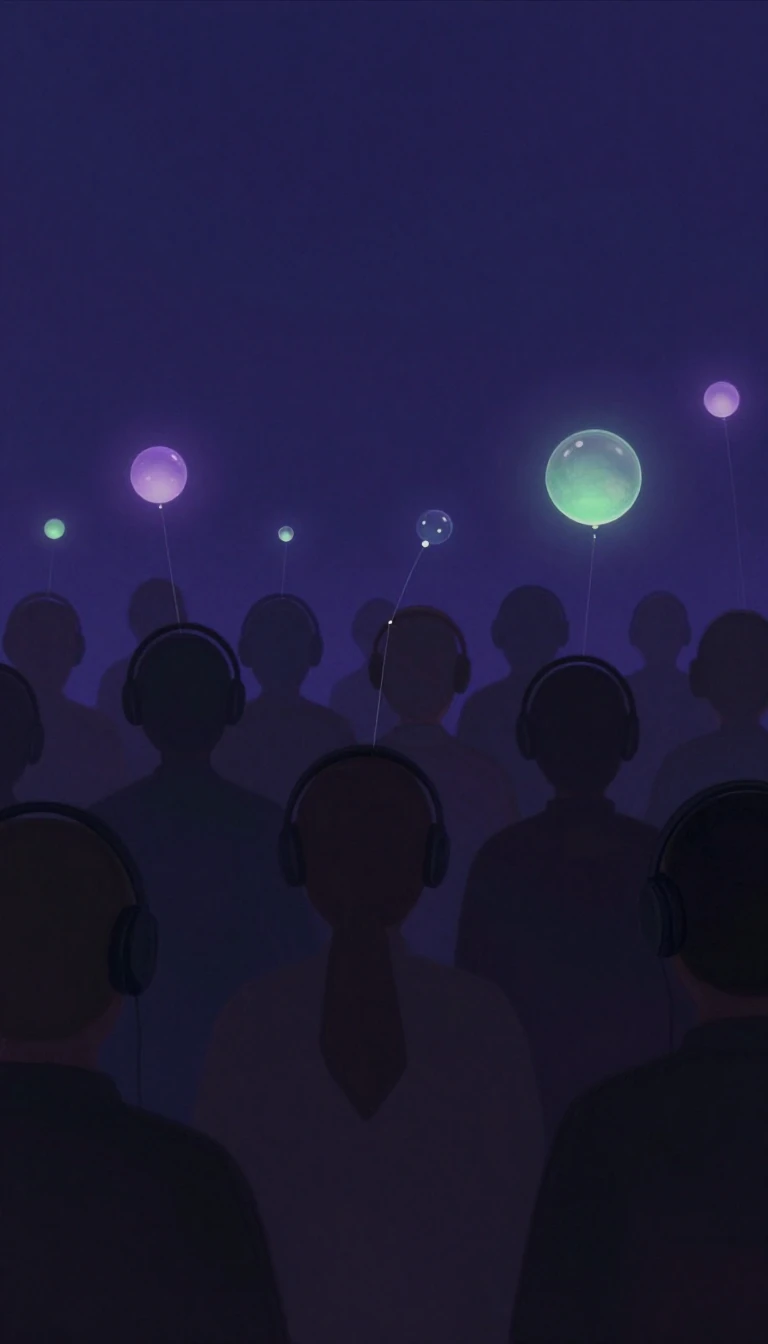
In short: The twelve-tone technique ensures all twelve notes of the chromatic scale are used equally, preventing any single note from dominating. While originally a serious method for avant-garde composers to replace traditional tonality, it found an unlikely home in mid-century animation, providing the perfect dissonance for surreal cartoon chaos.
Developed in the early 1920s by Arnold Schoenberg, the twelve-tone technique—or dodecaphony—was designed to liberate music from the constraints of traditional keys. By arranging all twelve pitch classes into a specific 'tone row,' composers could ensure each note received equal importance. This system was not merely a set of rules for melody but a structural framework intended to replace the harmonic hierarchies of classical music, such as the tonic and dominant. Schoenberg’s approach, often associated with the Second Viennese School, was paralleled by the work of Josef Matthias Hauer, who independently explored similar concepts of atonal organization.
The mechanism relies on four primary transformations of the prime row: the original series (P), its retrograde (R), its inversion (I), and the retrograde-inversion (RI). Each can be transposed to any of the twelve degrees of the chromatic scale, theoretically yielding up to 48 variations. While these rules govern pitch, they do not dictate rhythm, dynamics, or instrumentation, leaving significant creative freedom. Analysts like Kathryn Bailey have identified complex 'topographies' in this music, where rows are either presented linearly or layered in blocks to create dense, overlapping textures that defy conventional harmonic resolution.
Though initially championed by figures like Alban Berg and Anton Webern, the technique eventually permeated broader musical culture. By the 1950s, it had influenced composers ranging from Igor Stravinsky to Milton Babbitt. Perhaps most surprisingly, it became a tool for American cartoon composer Scott Bradley. For Bradley, the twelve-tone system was the ideal vehicle for the 'out-of-this-world' progressions required by the frantic, unpredictable antics of Tom & Jerry. By using chromatic scales to mirror the movements of characters, he proved that a system built on rigorous mathematical consistency could effectively underscore the most absurd and incredible visual narratives.
Opens the Intellect+ feed with this card first. Swipe up for the next one.
Sources
- Summary by Intellect · source: Twelve-tone technique
To cite this card, link to https://intellectplus.co.uk/app/music-twelve-tone-technique.
How we source, check and correct cards: Editorial standards.
General information, not professional advice. Spotted an error? Flag the card or see corrections and complaints.
Intellect Plus is a visual educational discovery platform for exploring fascinating facts and ideas. Brain Food, Not Brain Rot. What is Intellect Plus?
Related
More in Music · More in Music · Latest · A–Z · All topics
