From an 85-gram kite to a 14-kilogram vulture, one family of raptors
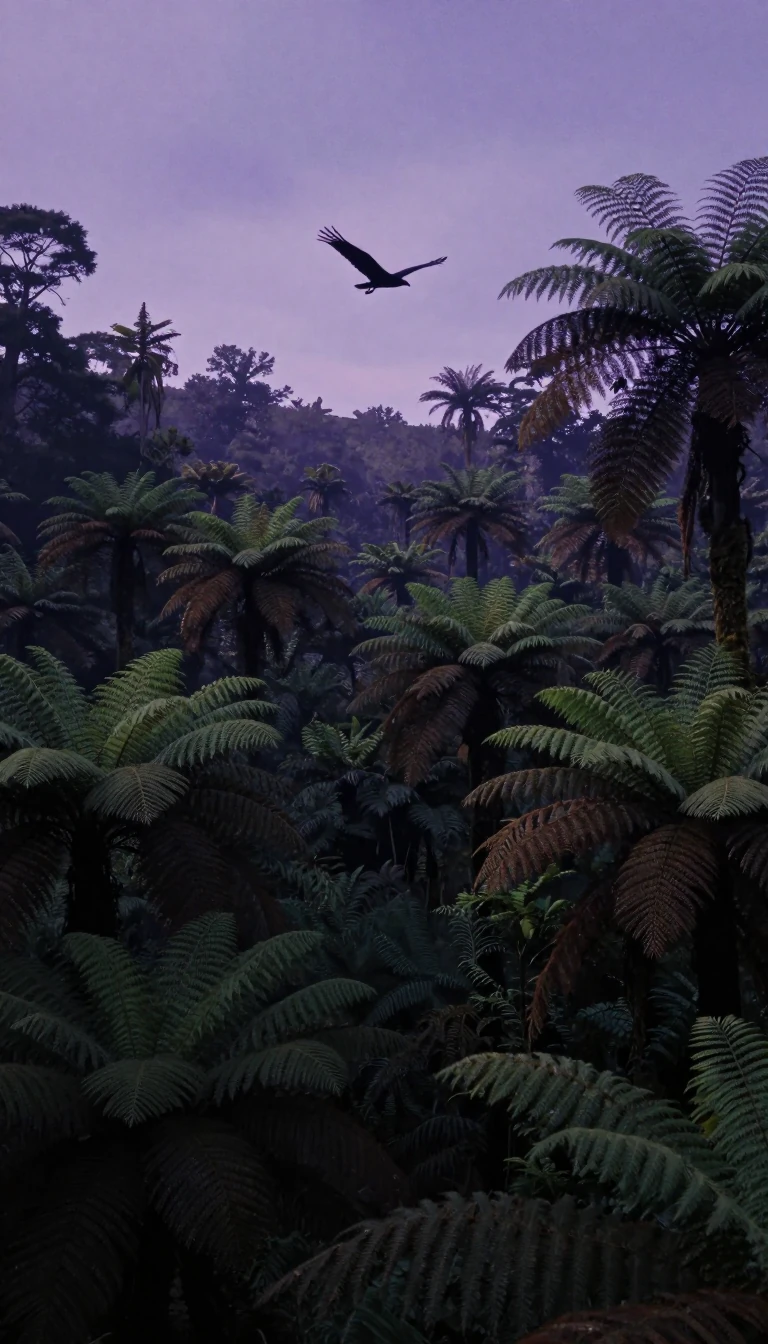
In short: The tiny pearl kite weighs about 85 grams. The cinereous vulture can reach 14 kilograms, with wings spanning more than three metres. Both belong to the Accipitridae, a family of 256 species of hawks, eagles, kites, harriers and Old World vultures, found on every continent except Antarctica.
What unites them is a strongly hooked bill, usually yellow skin called a cere at its base, and a peculiar rearrangement of their chromosomes that marks them as one natural group. Beyond that, the family is messy. Familiar labels such as hawk, kite, eagle and vulture probably do not match real branches of the family tree, and the osprey, the secretary bird and the New World vultures now sit in separate families. Molecular studies have cleared up most of the uncertainty, with a detailed genus-level tree published in 2024.
Fossils show accipitrids from around 50 million years ago, though early remains are too scrappy to place, and modern genera from around 30 million years ago. They may have arisen on either side of an Atlantic then only 60 to 80 percent of its present width. Finds such as Pengana in Australia, about 25 million years old, suggest they spread worldwide fast, perhaps reaching Antarctica too.
Diet shapes their bodies. Bird hunters such as sparrowhawks have long, thin legs, hunters of big mammals have thick, strong ones, and snake-eagles wear heavy scales against bites. Eyesight is their great weapon: some large species, including the wedge-tailed eagle, see more than twice as sharply as a typical person, using large tube-shaped eyes with two foveae each that barely move in their sockets.
Most are opportunists that will take whatever they can kill, gripping it in their talons and tearing it with the bill, yet many have favourites. Harriers hover low over open ground for rodents, so usually only one harrier species shares a region. Accipiter hawks, the largest genus with nearly 50 species, ambush birds in dense thickets, a risky style demanding great agility.
Opens the Intellect+ feed with this card first. Swipe up for the next one.
Sources
- Summary by Intellect · source: Accipitridae
To cite this card, link to https://intellectplus.co.uk/app/nature-accipitridae.
How we source, check and correct cards: Editorial standards.
General information, not professional advice. Spotted an error? Flag the card or see corrections and complaints.
Intellect Plus is a visual educational discovery platform for exploring fascinating facts and ideas. Brain Food, Not Brain Rot. What is Intellect Plus?
Related
More in Organisms · More in Nature · Latest · A–Z · All topics
