These heavily armored Triassic reptiles were once mistaken for ancient, scaly fish.
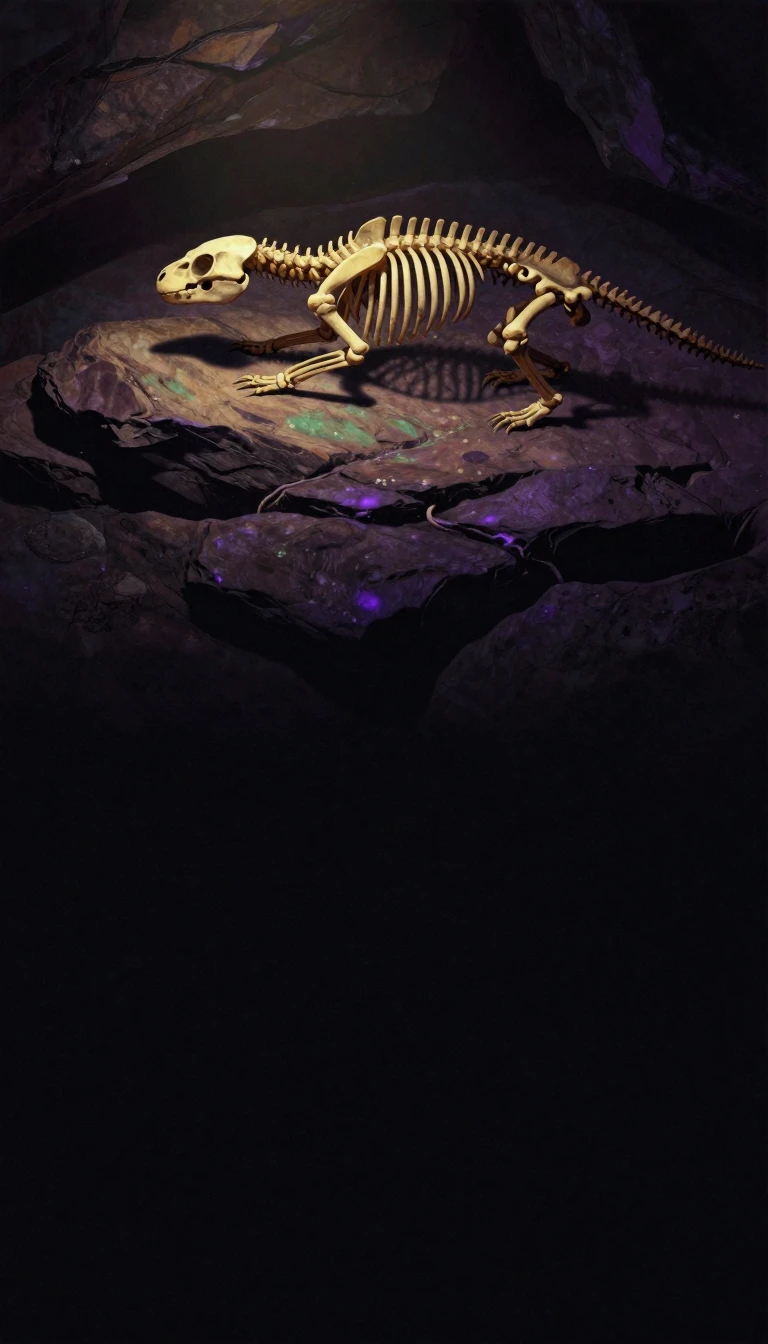
In short: Aetosaurs were terrestrial, plant-eating archosaurs that dominated the Late Triassic period. Though they are now recognized as relatives of modern crocodiles, early paleontologists initially misidentified their distinctive, bony armor plates as fish scales. These creatures left behind a global fossil record that remains vital for dating ancient geological strata.
Aetosaurs were medium- to large-sized quadrupeds characterized by a unique body armor composed of four rows of bony plates, or osteoderms. These plates, which covered their backs, sides, and often their bellies, provided a robust defense against predators. While their skeletal anatomy was largely typical of Triassic pseudosuchians, they possessed specialized features like a pillar-erect hindlimb posture and reinforced vertebrae to support their heavy, armored frames. Their skulls were relatively small and distinctively shaped, often featuring an upturned, shovel-like snout used for digging, and teeth adapted for an omnivorous or herbivorous diet.
The scientific understanding of aetosaurs has evolved significantly since their first description by Louis Agassiz in 1844. Agassiz, who studied specimens from Scotland, incorrectly classified them as Devonian fish, comparing their scutes to those of gars. It was not until the late 19th century that researchers like Thomas Henry Huxley correctly identified them as reptiles related to crocodilians. Even then, confusion persisted; for decades, many paleontologists mistakenly grouped aetosaurs with phytosaurs, assuming they were semiaquatic, carnivorous scavengers. It took until the 1961 redescription of Stagonolepis by A.D. Walker to firmly establish their terrestrial, herbivorous nature.
Today, aetosaurs are classified within the clade Pseudosuchia, which includes modern crocodilians. They are divided into two primary subdivisions, Desmatosuchia and Aetosaurinae, based on skull morphology and armor structure. Because their osteoderms are abundant and species-specific, they serve as essential index fossils for the Late Triassic. Their remains have been discovered across most continents, including North and South America, Europe, Africa, and India, providing a clear picture of their near-worldwide distribution during the time of Pangaea. Recent discoveries, such as the 2023 naming of Venkatasuchus armatus in India, continue to refine our knowledge of their diversity and evolutionary history.
Opens the Intellect+ feed with this card first. Swipe up for the next one.
Sources
- Summary by Intellect · source: Aetosauria
To cite this card, link to https://intellectplus.co.uk/app/nature-aetosauria.
How we source, check and correct cards: Editorial standards.
General information, not professional advice. Spotted an error? Flag the card or see corrections and complaints.
Intellect Plus is a visual educational discovery platform for exploring fascinating facts and ideas. Brain Food, Not Brain Rot. What is Intellect Plus?
Related
More in Vertebrates · More in Nature · Latest · A–Z · All topics
