Why your brain paints ghosts of colors in your vision
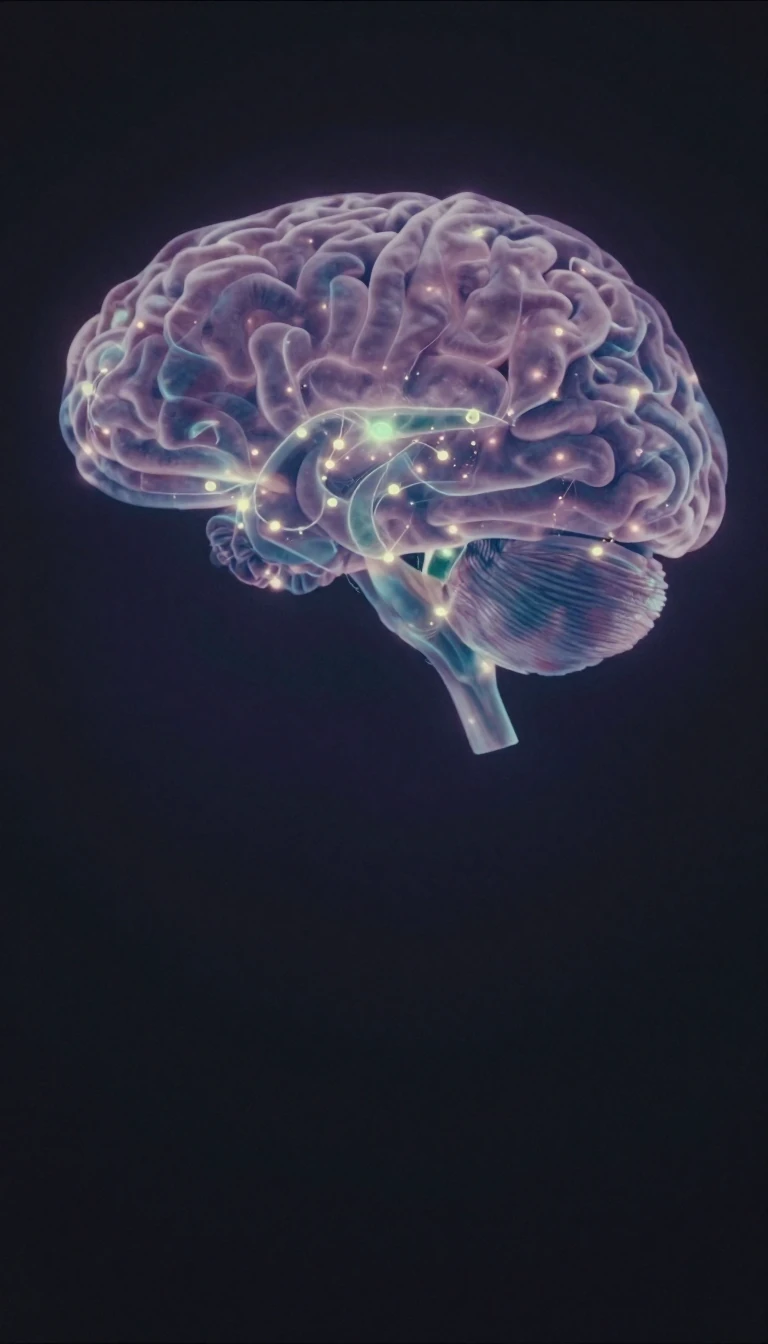
In short: Have you ever stared at a bright light or a vivid shape, only to see its ghostly twin lingering in your vision? This isn't a glitch in your eyes; it is a sophisticated neural balancing act. Your brain is actively rewriting your visual reality to keep your world consistent.
Afterimages occur because photochemical activity in the retina persists even after the original stimulus is gone. This is particularly noticeable when an image is very intense, large, or when the eye remains steady. Normally, tiny eye movements called microsaccades shift images across the retina to prevent adaptation, but these movements fail to keep up with high-intensity stimuli, leaving certain areas of the retina 'unadapted.'
The phenomenon is best explained by the opponent-process theory, developed by Ewald Hering in 1878 and further refined in 1957. Unlike the trichromatic theory, which suggests three types of photoreceptors, the opponent-process theory posits that the human visual system processes color in antagonistic channels: red vs. cyan, green vs. magenta, and blue vs. yellow. When you stare at a green object, that specific channel adapts and produces a weaker signal. Your brain then interprets the resulting deficit as the complementary color, magenta.
This process is similar to how a camera adjusts its color balance in dynamic lighting. When you move from a bright snowy day indoors, your brain uses neural adaptation in the occipital lobe to maintain visual consistency. If you view a uniform background while this adaptation is still occurring, you see an afterimage because localized areas of your vision are still being processed using outdated settings. While positive afterimages—which match the original color—are brief and less understood, negative afterimages are the result of this complex neural recalibration.
Opens the Intellect+ feed with this card first. Swipe up for the next one.
Sources
- Summary by Intellect · source: Afterimage
To cite this card, link to https://intellectplus.co.uk/app/nature-afterimage.
How we source, check and correct cards: Editorial standards.
General information, not professional advice. Spotted an error? Flag the card or see corrections and complaints.
Intellect Plus is a visual educational discovery platform for exploring fascinating facts and ideas. Brain Food, Not Brain Rot. What is Intellect Plus?
Related
More in Vision · More in Nature · Latest · A–Z · All topics
