The geometric blueprints of the human mind's internal vision
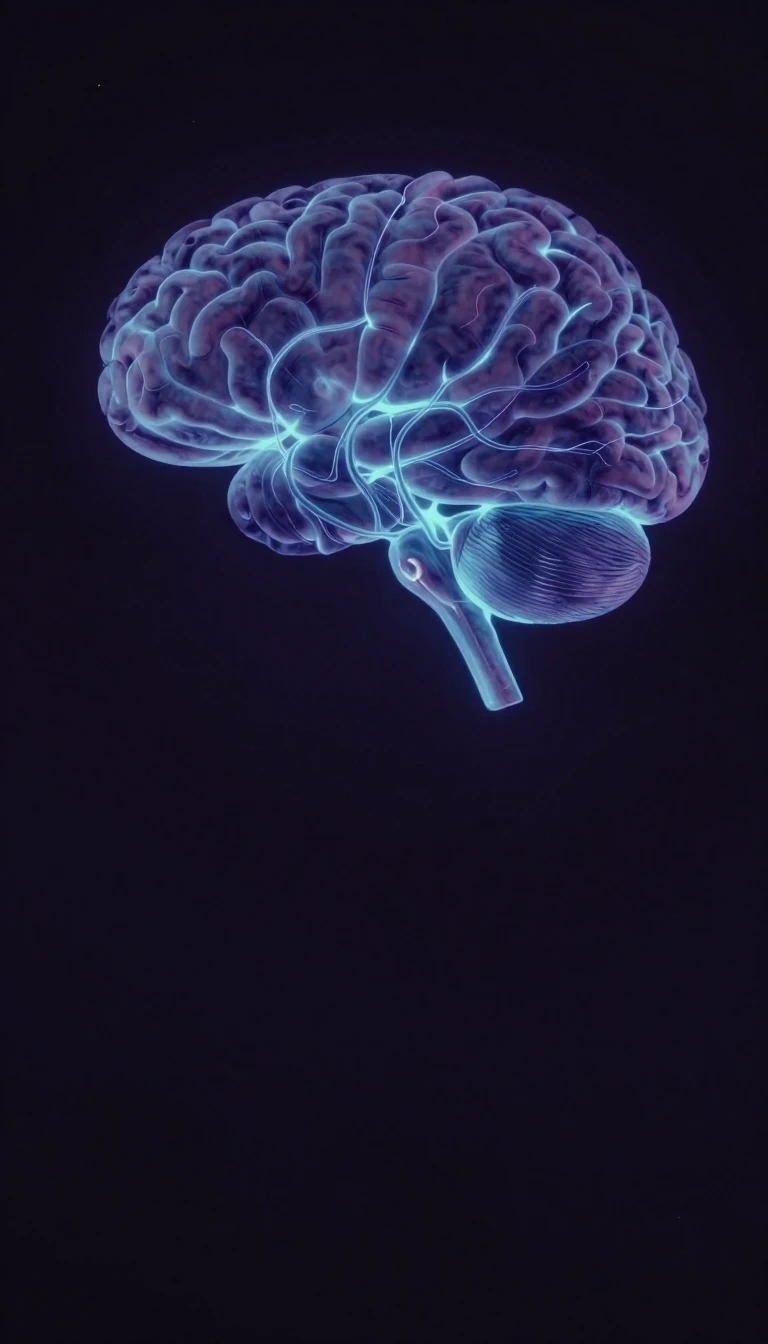
In short: Why do people under the influence of drugs, extreme stress, or migraines see the same specific shapes? From complex lattices to infinite spirals, these recurring patterns suggest that our brains have a built-in geometric language that reveals itself when our normal visual processing is disrupted.
In 1926, psychologist Heinrich Klüver began systematically documenting the subjective experiences of individuals using mescaline. He discovered that despite the diversity of individual hallucinations, users frequently reported four specific categories of recurring geometric patterns, which he termed "form constants." These include lattices (such as honeycombs, checkerboards, and triangles), cobwebs, tunnels, and spirals. These shapes often appear as repetitive, ornamental designs or mosaics, where individual elements like squares in a chessboard have boundaries defined by other geometric forms.
The appearance of these constants across such varied triggers—including near-death experiences, synesthesia, epilepsy, fever, and sensory deprivation—suggests they are not merely products of a specific substance. Instead, they likely reflect a fundamental property of the human visual system. One leading theory involves the mapping between the retina and the primary visual cortex. Specifically, concentric circles on the retina are mapped into parallel lines in the cortex. If neural activation spreads in straight lines within this architecture, the resulting experience is equivalent to seeing these specific form constants.
This neurological blueprint has profound cultural and artistic implications. The "geometrization" of these hallucinations has influenced abstract art, op art, and the visual music tradition. Some researchers suggest that ancient divination practices may have been a deliberate way to cultivate these transient visual phenomena to derive meaning. Even modern electroacoustic music uses these hallucinatory narratives and form constants as a basis for designing sonic and visual materials, bridging the gap between internal brain activity and external creative expression.
Opens the Intellect+ feed with this card first. Swipe up for the next one.
Sources
- Summary by Intellect · source: Form constant
To cite this card, link to https://intellectplus.co.uk/app/nature-form-constant.
How we source, check and correct cards: Editorial standards.
General information, not professional advice. Spotted an error? Flag the card or see corrections and complaints.
Intellect Plus is a visual educational discovery platform for exploring fascinating facts and ideas. Brain Food, Not Brain Rot. What is Intellect Plus?
Related
More in Vision · More in Nature · Latest · A–Z · All topics
