The Alaskan husky is bred for performance, not appearance
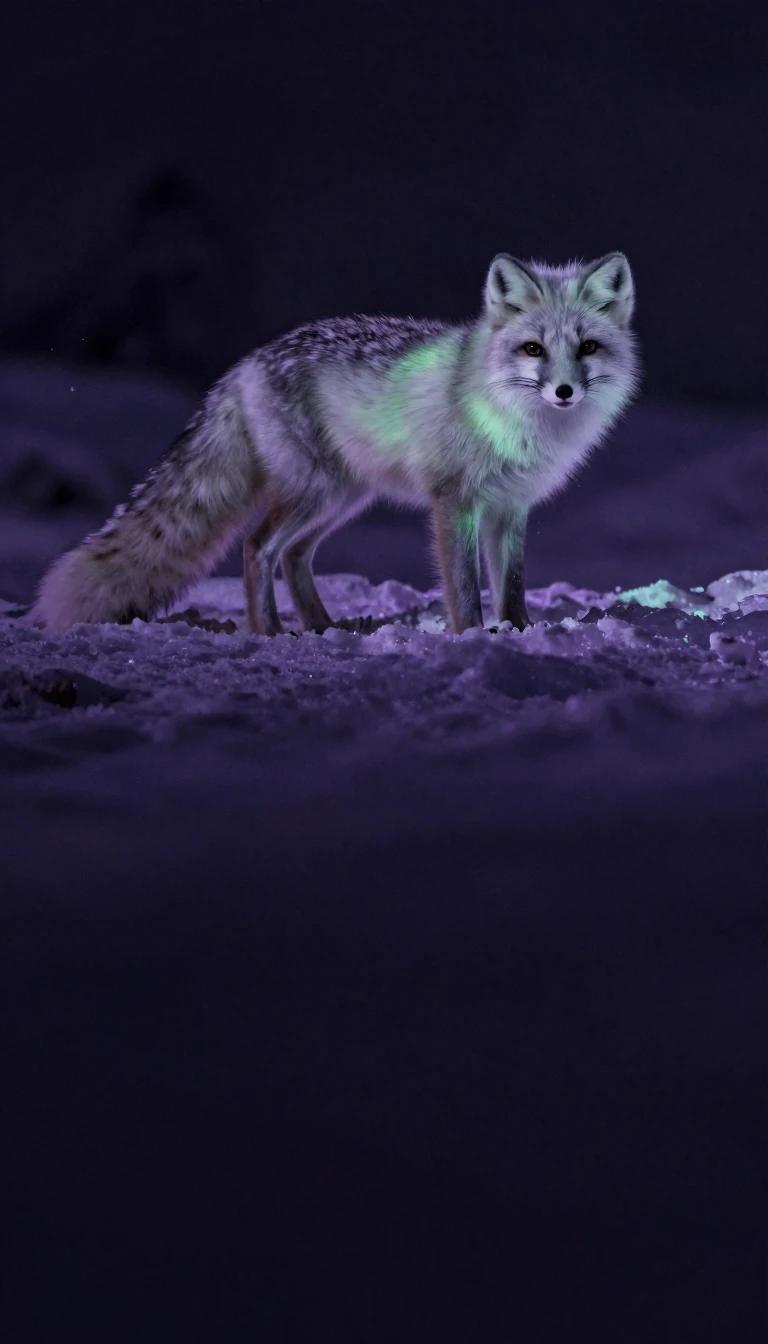
In short: Unlike most dog breeds, the Alaskan husky has no official breed standard and no kennel club recognition. It was shaped purely by what it can do: pulling, endurance, speed and tolerance of cold. Its looks vary widely, yet DNA studies still identify it reliably as a distinct genetic group.
The Alaskan husky is a medium-sized working sled dog, developed specifically for performance rather than for the show ring. Breeders selected dogs for aptitude in harness, stamina, speed, intelligence, appetite and tolerance of extreme weather. Because cosmetic features are not part of the breeding goals, the dogs look quite different from one line to another. Some have pointed ears and curled tails like spitz breeds, while others resemble hounds or gundogs, with floppy ears and straight tails.
The breed's history follows the arrival of European traders and settlers in Alaska, who wanted sled dog racing as entertainment. Indigenous dogs were strong and enduring but slow, so breeders crossed them with faster Old World and Siberian dogs. In the later twentieth century, sled work shifted from utility to sport, and breeders introduced gundogs and sighthounds such as pointers, greyhounds and salukis to add speed. Genetic work from 2015 linked the Alaskan husky closely with the Siberian husky and the Alaskan malamute, which share Siberian ancestry.
Athletically, these dogs are remarkable. Distance-specialist teams have finished a 938-mile race in just over eight days, including mandatory rests, and sprint teams can reach about 28 miles per hour. Research on working dogs shows their bodies shift toward fats and proteins as energy sources during long travel, which is why a good appetite is a prized trait. Their work also carries health risks, such as breathing problems linked to cold air.
A large 2020 study of 4,804 sled dogs, mostly Alaskan huskies training for the Iditarod, found that some markers of health improved with training until about 6.6 years of age. The authors noted that other differences by sex, genetics and age were not statistically significant, so those findings remain inconclusive. The Alaskan husky shows how selective breeding for a single purpose can produce a distinct type even without a formal standard.
Opens the Intellect+ feed with this card first. Swipe up for the next one.
Sources
- Summary by Intellect · source: Alaskan husky
To cite this card, link to https://intellectplus.co.uk/app/nature-alaskan-husky.
How we source, check and correct cards: Editorial standards.
General information, not professional advice. Spotted an error? Flag the card or see corrections and complaints.
Intellect Plus is a visual educational discovery platform for exploring fascinating facts and ideas. Brain Food, Not Brain Rot. What is Intellect Plus?
Related
More in Vertebrates · More in Nature · Latest · A–Z · All topics
