This Cretaceous dinosaur sported a double row of massive, mysterious neck spines
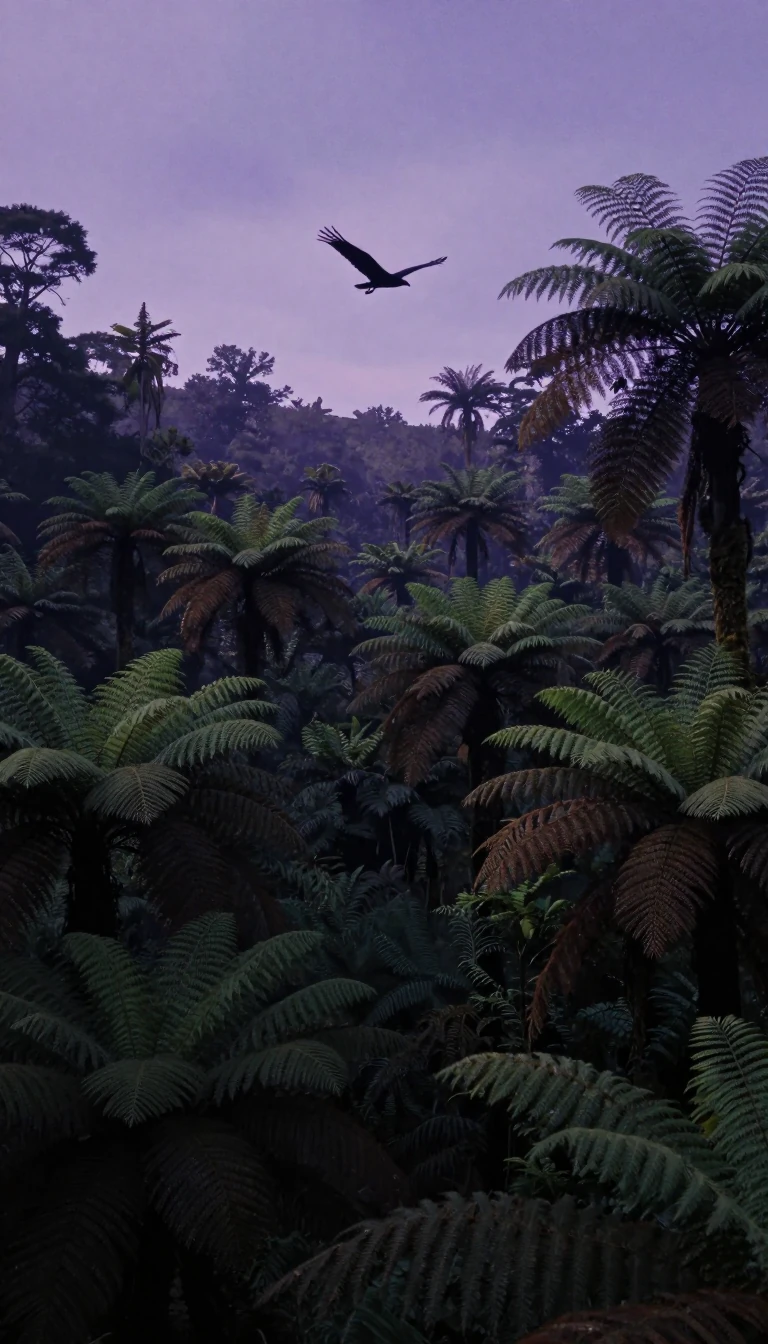
In short: Amargasaurus was a small, long-necked sauropod from Argentina that defied expectations. While most sauropods are known for their immense size, this creature stood out for the striking, bifurcated neural spines running down its neck and back. Scientists have spent decades debating whether these structures supported sails, horns, or defensive armor.
Discovered in 1984 in the La Amarga Formation of Patagonia, Amargasaurus cazaui remains one of the best-preserved sauropods from the Early Cretaceous, roughly 130 to 120 million years ago. Measuring 9 to 13 meters in length, it was relatively compact for a sauropod. Its most defining feature—the tall, paired neural spines—reached up to 60 centimeters on the eighth cervical vertebra. These spines were bifurcated along their entire length, creating a double row that has puzzled paleontologists since the genus was officially described in 1991.
The function of these spines is a subject of intense scientific debate. Early theories suggested they supported skin sails for display or served as defensive weapons. In 1994, Gregory Paul proposed they held keratinous sheaths, potentially used for intimidation or even clattering together to make sound. Others, like Jack Bailey in 1997, compared the structure to modern humped animals, suggesting a fleshy hump over the hips. More recently, a 2022 study analyzing bone microstructure suggested the spines were connected by ligaments, potentially supporting a neck sail rather than a rigid horn sheath.
Beyond its appearance, Amargasaurus was a specialized herbivore. Analysis of its inner ear and neck vertebrae indicates it habitually held its snout about 80 centimeters above the ground, with a maximum reach of 2.7 meters. This suggests it occupied a specific feeding niche, grazing at mid-height to avoid competition with other sauropods in its environment. Its skull, which featured a horselike snout and pencil-like teeth, was adapted for this low-level browsing. While its exact lifestyle remains a mystery, the discovery of the specimen—alongside other fauna like the mammal Vincelestes—provides a rare window into the diverse ecosystems of Early Cretaceous South America.
Opens the Intellect+ feed with this card first. Swipe up for the next one.
Sources
- Summary by Intellect · source: Amargasaurus
To cite this card, link to https://intellectplus.co.uk/app/nature-amargasaurus.
How we source, check and correct cards: Editorial standards.
General information, not professional advice. Spotted an error? Flag the card or see corrections and complaints.
Intellect Plus is a visual educational discovery platform for exploring fascinating facts and ideas. Brain Food, Not Brain Rot. What is Intellect Plus?
Related
More in Vertebrates · More in Nature · Latest · A–Z · All topics
