Why the Alps create their own weather, from sunny peaks to stagnant valley fog
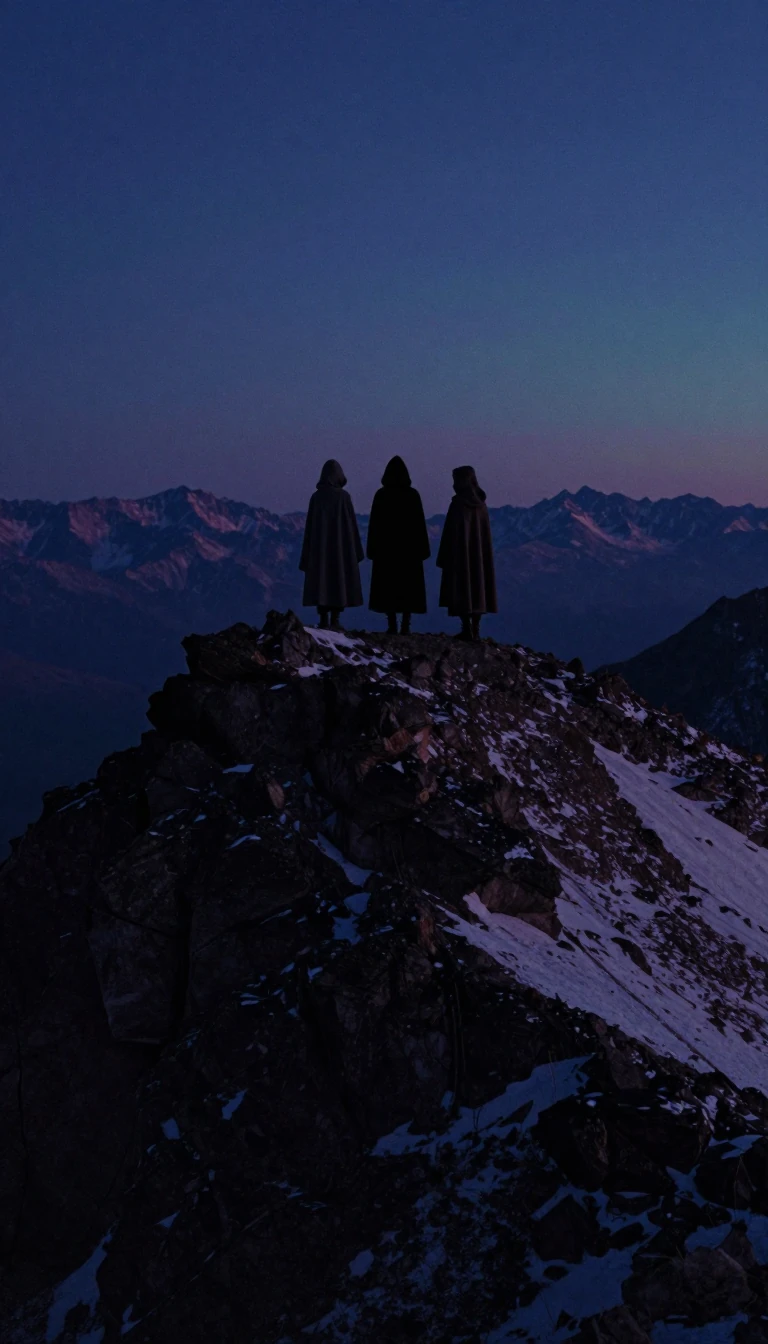
In short: The Alps are not just a static landscape; they are a complex atmospheric engine. Driven by four distinct air masses and dramatic elevation shifts, the region experiences wild climatic swings. From the warmth of the Mediterranean to the biting polar winds, the mountains dictate weather patterns that change by the kilometer.
The Alpine climate is defined by extreme variability, driven by the range's central European location. Four primary influences collide here: moist Atlantic air from the west, cold polar air from the north, continental air masses that shift from dry-cold in winter to hot in summer, and warm Mediterranean currents from the south. Because of this, climate conditions differ significantly not just between separate ranges, but within the same valley.
A defining feature of this environment is the temperature inversion, most frequent in autumn and winter. While valley floors often trap stagnant, foggy air, elevations above 3,300 feet can remain surprisingly sunny and warm. This vertical stratification is further complicated by the foehn wind—a powerful, dry current that descends mountain slopes. As air rises and cools, it sheds moisture as rain or snow; upon descending the lee side, it compresses and warms, rapidly melting snow and altering local microclimates for days at a time.
The physiography of the Alps dictates the distribution of precipitation and temperature. Valley floors are generally warmer and drier than the surrounding heights, where snow cover is persistent. At the 6,600-foot level, snow typically blankets the ground from mid-November through May, often blocking high mountain passes. These conditions create a high-risk environment for avalanches, which are a constant threat from late November to early June. The danger is exacerbated by high population density and the development of ski resorts, which have removed natural forest barriers that once helped mitigate these destructive events.
The interaction between these mountain barriers and moving air masses makes the Alps a volatile, high-stakes environment. With tens of millions of tourists visiting annually, the unpredictability of weather and the difficulty of forecasting avalanche paths remain significant challenges. Understanding these mechanisms is essential for navigating a landscape where the weather is as much a part of the terrain as the peaks themselves.
Opens the Intellect+ feed with this card first. Swipe up for the next one.
Sources
- Summary by Intellect · source: Alps - Climate, Mountain Range, Europe | Britannica
- Also: Alpine climate
To cite this card, link to https://intellectplus.co.uk/app/nature-alpine-climate.
How we source, check and correct cards: Editorial standards.
General information, not professional advice. Spotted an error? Flag the card or see corrections and complaints.
Intellect Plus is a visual educational discovery platform for exploring fascinating facts and ideas. Brain Food, Not Brain Rot. What is Intellect Plus?
Related
More in Air · More in Nature · Latest · A–Z · All topics
