The Swiss Alps are a rapidly shifting landscape shaped by ancient ice and modern climate.
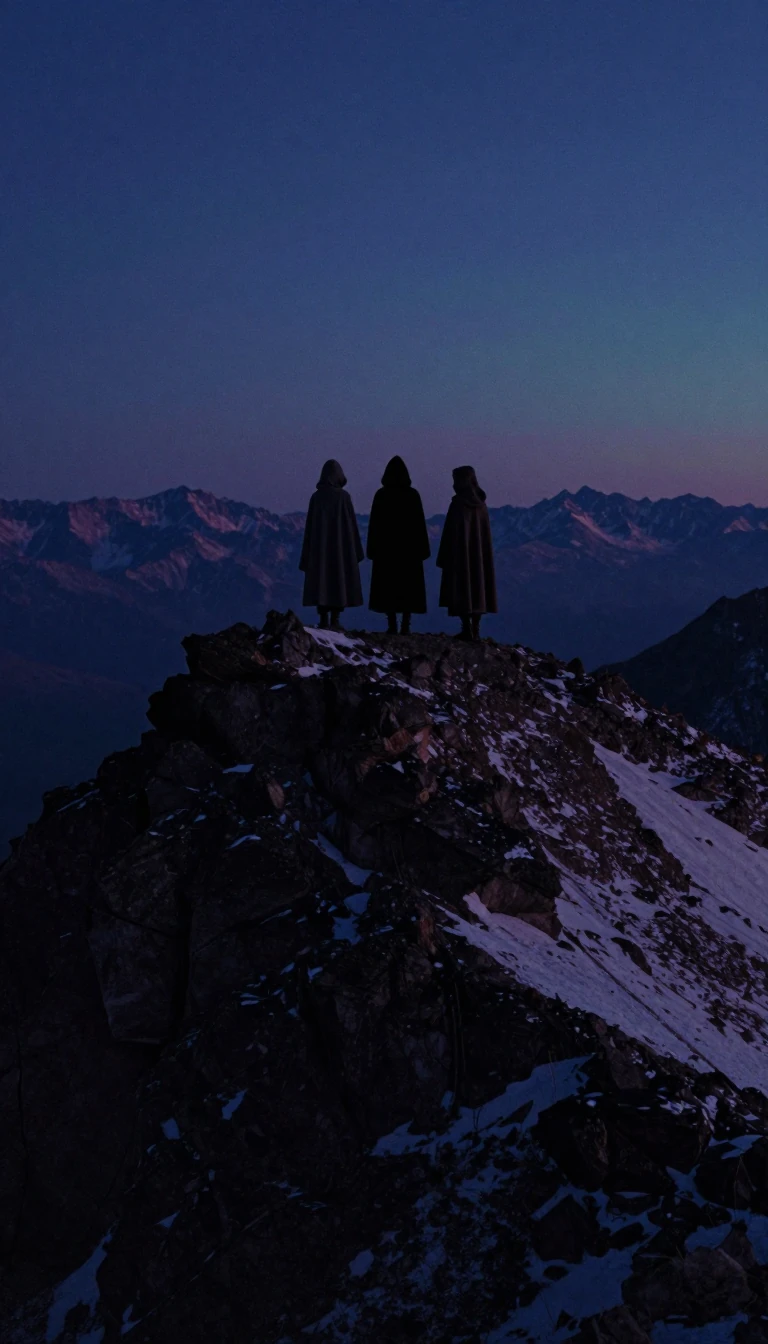
In short: Covering 60 percent of Switzerland, the Alps are more than just iconic peaks. They act as the water tower of Europe, yet their glaciers have lost half their volume in just over a century. As the ice retreats, the nation faces a profound transformation of its geography, economy, and energy infrastructure.
The Swiss Alps are a complex physiographic region spanning the Western and Eastern Alps, containing 48 of the 82 alpine four-thousanders. Their current form is the result of the alpine orogeny, a tectonic collision between the European and African plates that left behind distinct geological zones, such as the Helvetic and Penninic nappes. This history is visible today in landmarks like the Tectonic Arena Sardona, a UNESCO World Heritage site that illustrates mountain-building processes through its major thrust fault.
Climate change is fundamentally altering this environment. Glaciers, which cover 3 percent of Swiss territory, have lost approximately 50 percent of their volume over the last 90 to 120 years. This retreat is not merely a loss of scenery; it disrupts the hydrological cycle that powers Switzerland's hydroelectricity. As glaciers melt and cease to refreeze, the country faces significant challenges in energy production, agricultural stability, and the management of natural hazards like landslides and floods, which are becoming more frequent as permafrost thaws.
The economic impact is equally significant, particularly for the tourism sector that has defined the region since the mid-nineteenth century. Resorts that once relied on natural snowfall are increasingly turning to artificial snow production to sustain winter seasons. Recent years have seen summer skiing operations, such as those in Zermatt and Saas-Fee, temporarily suspended due to record-high temperatures and deteriorating glacier conditions. As the landscape shifts, Switzerland is forced to innovate, balancing its reliance on traditional alpine tourism with the urgent need to adapt its infrastructure to a warmer, more volatile future.
Opens the Intellect+ feed with this card first. Swipe up for the next one.
Sources
- Summary by Intellect · source: Swiss Alps
To cite this card, link to https://intellectplus.co.uk/app/nature-swiss-alps.
How we source, check and correct cards: Editorial standards.
General information, not professional advice. Spotted an error? Flag the card or see corrections and complaints.
Intellect Plus is a visual educational discovery platform for exploring fascinating facts and ideas. Brain Food, Not Brain Rot. What is Intellect Plus?
Related
More in Earth science · More in Nature · Latest · A–Z · All topics
